A camera that records a theft after it happens can be useful evidence. A camera that recognizes suspicious activity, alerts the right people, and helps discourage an intruder may help prevent the loss altogether. That difference is at the center of this AI security camera review.
For homeowners and small business owners, the right camera is not simply about sharper video. It is about knowing what is happening at the front door, along the driveway, near a delivery area, or inside a business without spending the day sorting through meaningless alerts. AI-powered video analytics can make security more responsive, but the best results depend on the camera, the installation, and what happens after an alert is triggered.
What AI Changes in a Security Camera
Traditional motion cameras react to movement. A passing car, blowing branches, rain, pets, and headlights can all create an alert. AI cameras add context by analyzing what the camera sees. Depending on the system and settings, they can distinguish between people, vehicles, animals, and packages. That helps reduce nuisance notifications while drawing attention to events that deserve a closer look.
The practical benefit is time. Instead of opening an app to review dozens of clips from a windy afternoon, you can receive an alert that a person entered a defined area near your door or business entrance. Some systems can also support deterrence features, such as lights, audible warnings, or two-way audio. A visitor may be legitimate. Someone testing doors after hours is a different situation, and your system should help you respond accordingly.
AI is not a replacement for security planning. It cannot see around an obstructed view, identify every person perfectly in poor lighting, or stop a crime on its own. It is a powerful layer of awareness when paired with clear camera placement, reliable connectivity, intrusion protection, and professional monitoring.
AI Security Camera Review: Features That Matter
A good AI security camera review should look beyond the product label. Many cameras claim smart detection, but the value comes from how accurately the feature works in the real conditions around your property.
Person, vehicle, and package detection
For a home, person detection is often the starting point. It can help separate a neighbor walking by from activity at the porch, gate, or side yard. Vehicle detection is especially useful for driveways and small business parking areas, where you may want awareness after closing without alerts from every pedestrian on the sidewalk.
Package detection can add another layer of convenience at the front door. It can let you know when a delivery arrives and when it may have been removed. This capability depends on a clear camera angle and sufficient lighting. A doorbell camera mounted too high or facing heavy street traffic may not provide the most useful package view.
Video quality after dark
Clear daytime footage is only half the picture. Many security concerns happen in low light, when a camera must capture useful details without turning every shadow into a false event. Look for strong night vision, adequate resolution, and lighting options that fit the location.
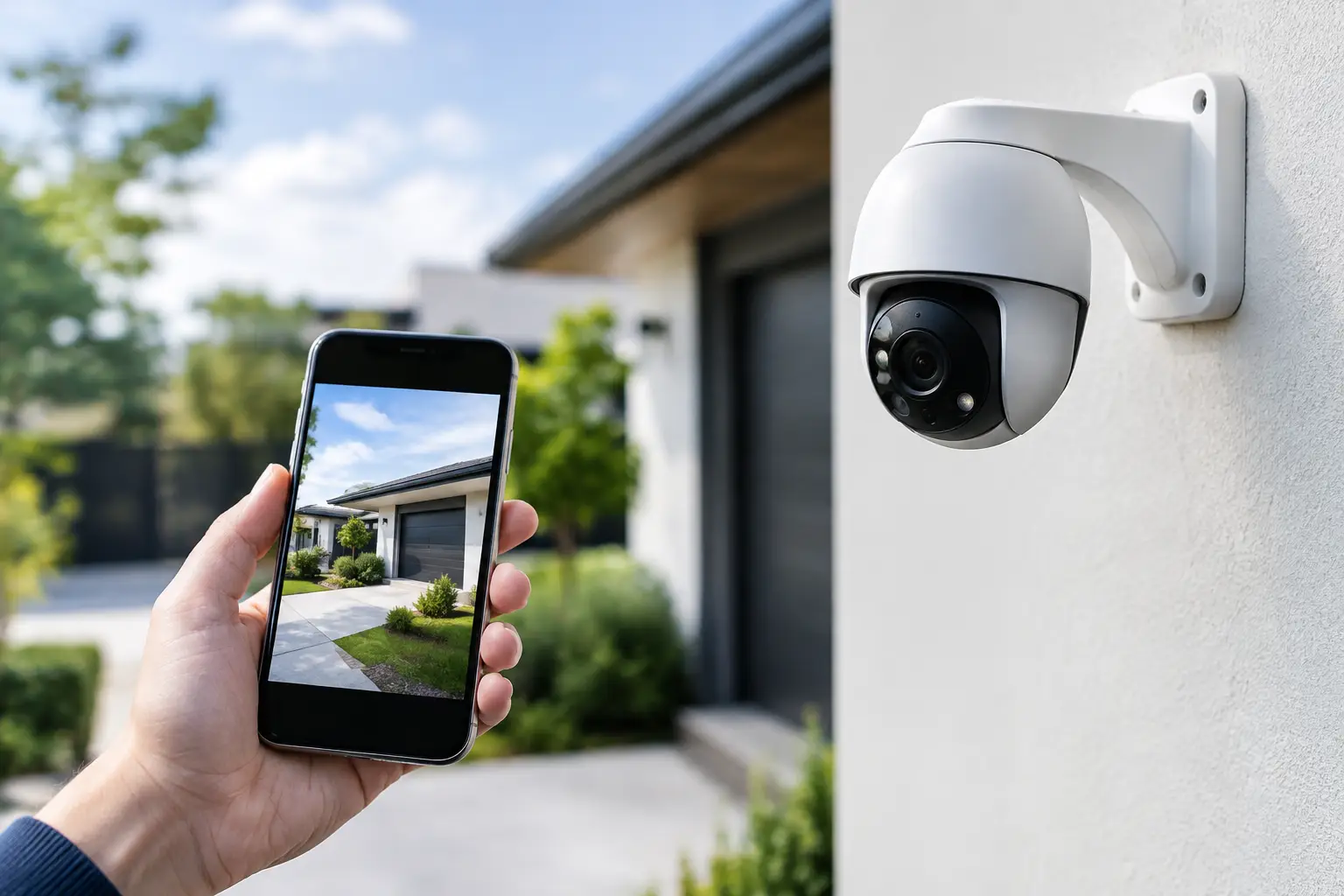
A floodlight camera can be a smart choice over a garage, driveway, loading area, or rear entrance because it combines visibility with active deterrence. However, a bright light should be aimed carefully. Poor placement can create glare, disturb neighbors, or leave the key approach area in shadow. Professional installation helps ensure the camera sees the space that matters rather than the brightest object in its frame.
Smart activity zones and alert control
The most useful alert is the one you can act on. Activity zones let you focus detection on a porch, walkway, gate, cash register area, or restricted entrance while excluding a busy road or public sidewalk. Sensitivity settings also matter. Too low, and important motion can be missed. Too high, and the app becomes another source of noise.
The goal is not to receive more notifications. The goal is to receive meaningful notifications. A properly designed system should reflect the routines and risks of the property. A family may prioritize deliveries and side-yard access. A small business may prioritize entry doors, employee-only areas, and points where inventory is stored or loaded.
Two-way audio and active deterrence
Two-way audio gives you a direct way to speak through a compatible camera. It can be helpful for telling a delivery driver where to leave a package, checking on a child arriving home, or addressing a person near a closed business entrance. For a potential threat, a live voice can make it clear that the property is actively watched.
Some AI-enabled systems also use automated deterrence, including lights or audible messages, when specific activity is detected. These features should be used thoughtfully. A strong deterrent response makes sense at a closed business or a private backyard late at night. At a front door during normal delivery hours, a more measured setting may be appropriate.
The Response Behind the Alert
An AI camera is only as valuable as the response it supports. Mobile alerts are useful when you are available to view them, but life does not always allow that. You may be asleep, in a meeting, traveling, or simply away from your phone.
That is where professionally monitored security can change the role of video. With 24/7 video verification capabilities, trained professionals can assess qualifying events and help determine whether a situation may need escalation. Verified information can support a faster, more informed response than an unreviewed motion alert alone.
This does not mean every notification becomes an emergency. It means your security plan has a path for events that appear serious. For many property owners, that is the difference between owning a camera and having an active protection system.
Professional Installation Is Part of Camera Performance
A high-quality camera can still underperform if it is installed in the wrong place. Mounting height, angle, sun exposure, Wi-Fi coverage, power access, lighting, and nearby obstructions all affect performance. A camera pointed directly toward the setting sun may produce poor afternoon footage. A device installed too far from the router may deliver delayed clips or unreliable live video.
Professional installation also helps create coverage that works together. A doorbell camera can handle visitors and deliveries. Outdoor cameras can cover approaches to the property. Indoor cameras may help monitor selected areas, while door and window sensors provide a separate layer of intrusion detection. Instead of relying on one device to do every job, an integrated design covers the moments that matter from multiple angles.
For a small business, this approach can extend to access control, employee entry points, customer-facing areas, and storage spaces. The right setup depends on the layout, daily operations, and the level of oversight you need. More cameras are not always better. Better coverage is better.
Privacy, Storage, and Everyday Use
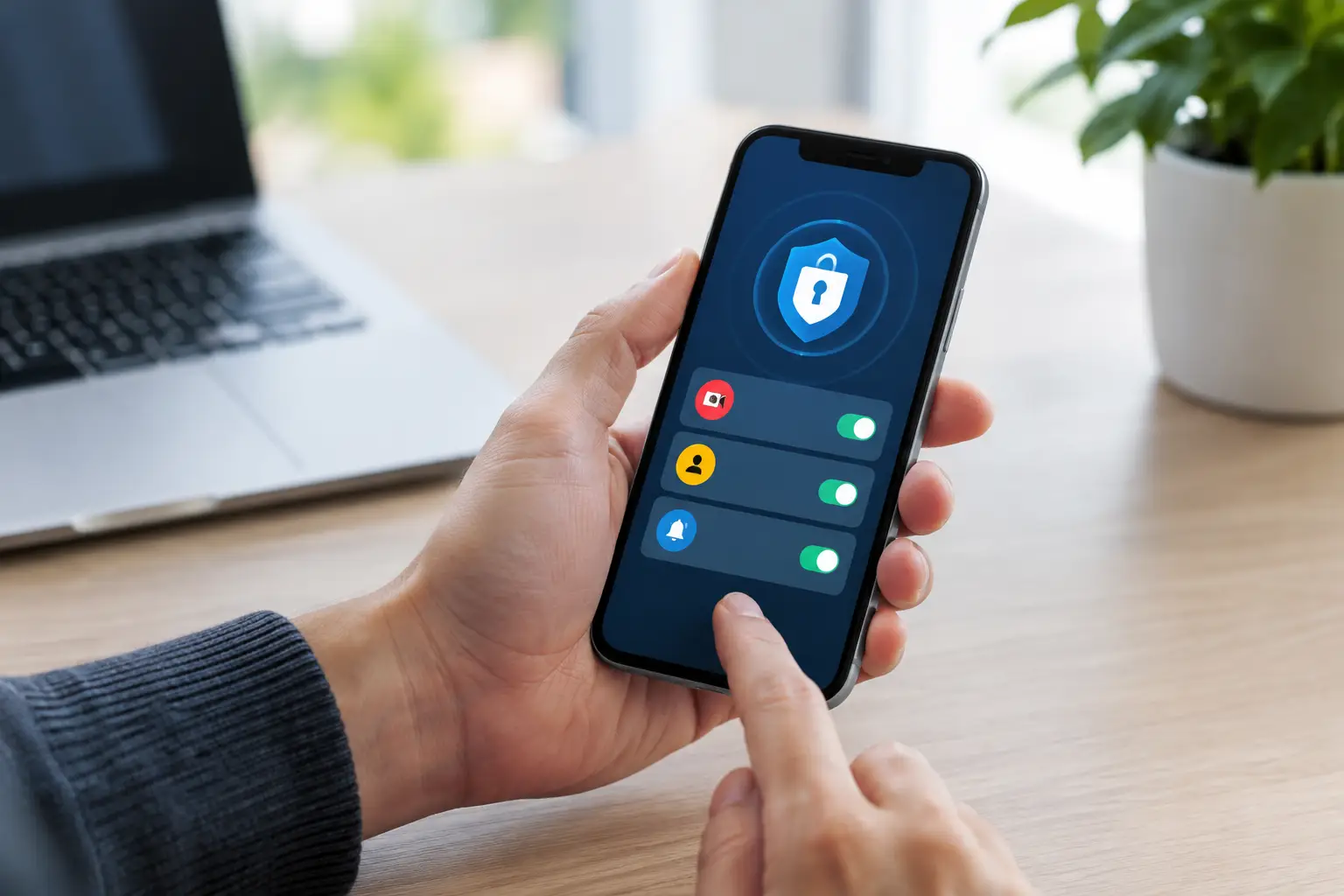
Smart cameras should make a property feel more secure, not more complicated. Before choosing a system, consider who will have access to live video and clips, how recordings are stored, and how long they remain available. Account protections such as strong passwords and multi-factor authentication are essential for any connected security system.
It is also wise to respect privacy boundaries. Aim exterior cameras at your own entrances, driveways, and property lines whenever possible. For indoor cameras, decide whether they are needed continuously or only when the system is armed or a specific event occurs. Clear household expectations and thoughtful settings help everyone use the technology with confidence.
The best system should also be easy to manage from one app. Being able to view video, arm or disarm the system, check sensors, control smart locks, and receive alerts in one place reduces friction. Security works better when it fits into everyday routines.
Choosing the Right AI Camera Setup
Start with the risks you want to address, not a camera specification sheet. If package theft is the main concern, front-door visibility and fast person alerts may be the priority. If you are protecting a detached garage, a side gate, or a business rear entrance, night coverage, lighting, and deterrence may matter more. If you travel often, professional monitoring and remote control can provide greater peace of mind than app alerts alone.
A custom security consultation can identify blind spots, recommend the right mix of cameras and sensors, and build a system around how you actually live or work. Fluent Home combines professionally installed video, AI-enhanced deterrence, smart control, and 24/7 monitoring options so protection does not depend on a collection of disconnected devices.
The right AI camera should give you fewer distractions, clearer information, and a stronger response when something does not look right. A free custom quote is a practical next step when you are ready to turn video awareness into a complete protection plan.