
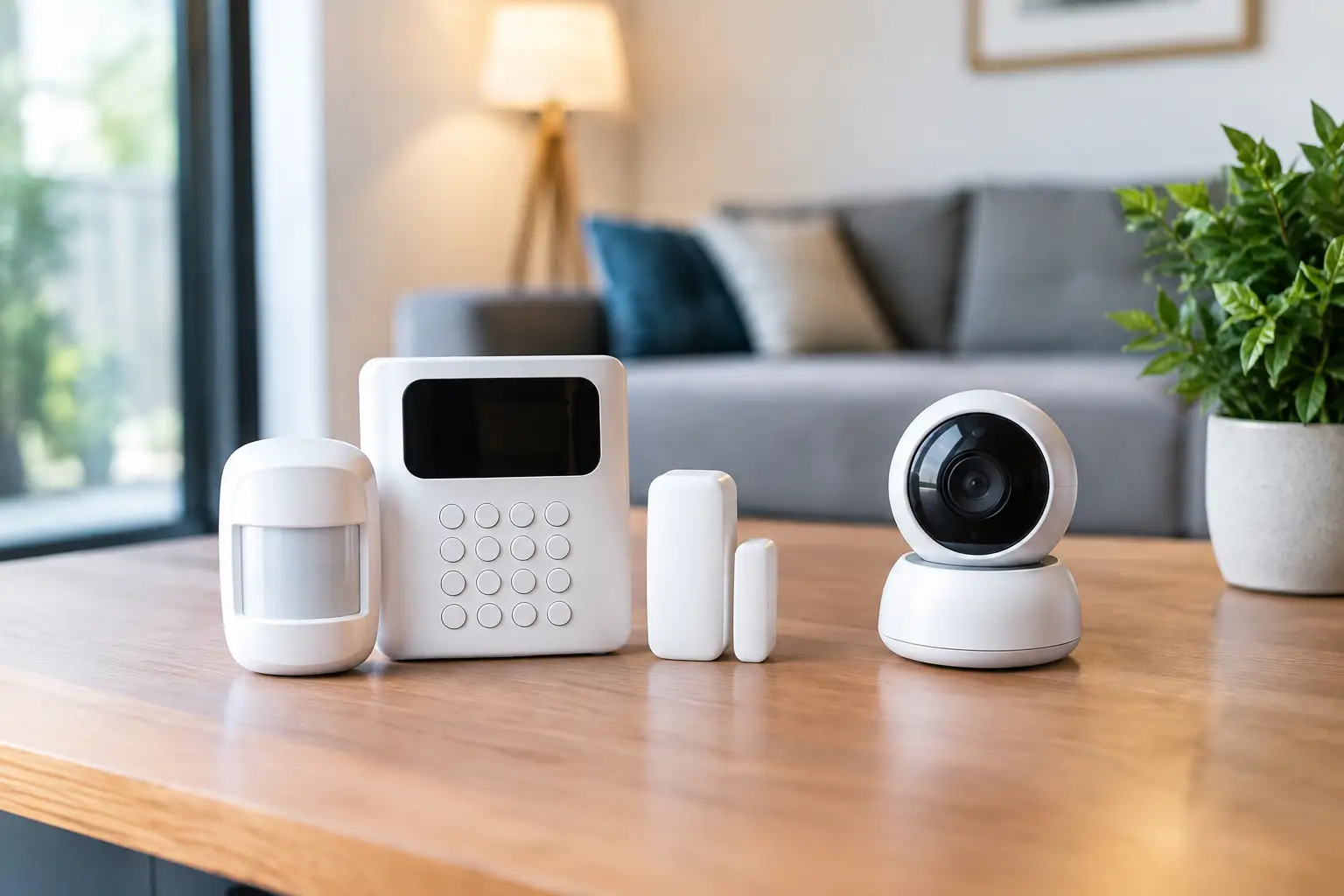
A home security system is only as aware as the sensors behind it. A camera may show what happened, but the right sensor can detect an open door, broken glass, rising smoke, or unwanted motion the moment it occurs. This guide to home alarm sensors helps you understand where each device belongs and how a professionally designed system turns those alerts into meaningful protection.
The goal is not to put a sensor on every surface. It is to protect the paths someone could use to enter, identify safety risks early, and make daily life easier to manage from one app. The right mix depends on your home’s layout, routines, pets, valuables, and the level of monitoring you want.
Start With the Areas That Matter Most
Most homes should begin with the perimeter. Exterior doors, accessible windows, basement entries, attached garages, and sliding glass doors are common points of entry. A protected perimeter can alert you before someone reaches the main living areas.
From there, consider interior spaces that would be difficult to avoid after entry. A motion sensor in a central hallway, stairway, or main living area adds a second layer of detection. Environmental sensors belong near the risks they are designed to detect: smoke and carbon monoxide devices near sleeping areas and on each level, while water sensors fit near appliances, plumbing fixtures, and water heaters.
A professional consultation makes this planning more precise. Instead of guessing which devices belong where, an experienced technician can account for window styles, traffic patterns, pet behavior, room use, and potential blind spots.
Guide to Home Alarm Sensors: The Core Devices
Door and window contact sensors
Contact sensors are small devices installed on a door or window frame and the moving portion of the opening. When the two pieces separate, the system recognizes that the door or window has opened.
These sensors are foundational because they provide clear, immediate information. You can see whether the front door was opened, receive an alert if a child arrives home, or know when a basement window is accessed. They are also useful for everyday routines, such as checking from your phone whether the garage entry door was left open.
Not every window needs identical protection. Ground-floor windows, windows hidden from the street, basement windows, and doors leading to patios or balconies typically deserve priority. Upper-story windows may need attention if they are accessible from a roofline, deck, or attached structure.
Motion sensors
Motion sensors watch for movement within a defined area. They are best used as interior backup protection after the perimeter is secured. If an intruder gets through a door or window, motion detection can trigger an alarm as they move through the home.
Placement matters. A motion sensor aimed across a hallway or toward a likely path of travel is generally more effective than one pointed at a room full of furniture or frequent activity. They should not be installed where normal movement will constantly set them off while the system is armed.
Homes with pets need careful planning. Pet-aware motion sensors can reduce false alarms when installed correctly, but they are not a universal fix. A large dog that jumps on furniture or runs through the protected area may still require a different placement strategy or stronger reliance on perimeter sensors.
Glass break sensors
Glass break sensors listen for the sound pattern created when glass breaks. They are particularly helpful in rooms with large windows, sliding glass doors, or glass panels that could be broken without opening the frame.
A contact sensor tells you when a window opens. A glass break sensor can cover the scenario where someone breaks the glass and reaches inside to unlock the door or window. In a room with several nearby windows, one properly placed glass break sensor may protect more than one opening, depending on the device’s range and the room layout.
Glass break detection is not necessary for every home, but it is worth considering where large, accessible panes of glass create a vulnerability. A security professional can recommend whether contacts, glass break detection, cameras, or a combination offers the better fit.
Smoke and carbon monoxide detectors
Security is not limited to intrusion. Monitored smoke and carbon monoxide detectors add protection against emergencies that can develop when you are asleep, away, or unable to hear a local alarm.
Smoke detectors are designed to warn of fire conditions, while carbon monoxide detectors identify a colorless, odorless gas produced by fuel-burning appliances, fireplaces, furnaces, and attached garages. Both should be placed according to local code requirements and manufacturer guidance. Bedrooms, hallways outside sleeping areas, utility spaces, and every level of the home are common considerations.
The key benefit of integrating these devices with a monitored system is speed. If an alarm occurs, the system can send an alert to your phone and notify a monitoring center that can take the next steps based on your service plan. That added layer matters when no one is home or when an emergency makes it difficult to respond yourself.
Flood and water leak sensors
Water damage often starts quietly. A slow leak behind a washing machine, a failed water heater, or an overflowing sink can cause serious damage before it becomes visible. Flood sensors detect water at floor level and can notify you as soon as moisture reaches the device.
Place them near water heaters, washing machines, dishwashers, refrigerators with water lines, sump pumps, toilets, sinks, and basement plumbing. In homes with smart water valve control, a detected leak may also support a faster response by helping shut off the water supply before the problem spreads.
These sensors are especially valuable for vacation homes, rental properties, finished basements, and households that are frequently away. They do not replace regular maintenance, but they can reduce the time between a leak beginning and someone taking action.
Temperature sensors
Temperature sensors can alert you when a home becomes unusually cold or hot. For many homeowners, the most practical use is freeze prevention. If a furnace fails during a cold spell, an early alert gives you time to address the issue before pipes freeze and burst.
They can also help monitor spaces that require stable conditions, such as a wine room, nursery, garage, vacation property, or room with sensitive equipment. A temperature alert is not the same as controlling the thermostat, but paired with smart thermostat controls, it gives you greater awareness and more options to respond remotely.
Sensors Work Better as One Connected System
Individual devices can provide alerts, but an integrated system gives those alerts context. A door contact may show that the back door opened. A nearby camera can provide a video view. A smart lock can confirm whether the door was locked again. A professionally monitored panel can send an emergency signal if the event indicates a possible break-in.
This connected approach also makes the system easier to use. Rather than juggling separate apps for cameras, locks, lights, and environmental devices, you can manage protection and daily routines from a central control panel and mobile app. You might arm the system at bedtime, verify the garage door is closed, lock the front door, and adjust the thermostat without walking through the house.
Automation can support security without making your home feel complicated. For example, a system can turn on selected lights when a door opens at night, send a notification when a package arrives, or trigger video recording when outdoor activity is detected. The best automations are simple, useful, and built around how your household actually lives.
What to Avoid When Choosing Alarm Sensors
The most common mistake is buying devices based only on price or a single feature. A low-cost sensor may seem appealing, but compatibility, battery life, signal reliability, installation quality, and monitoring response all affect how well it performs when you need it.
Another mistake is relying only on cameras. Cameras are valuable for awareness, deterrence, and evidence, but they do not replace intrusion or life-safety sensors. A camera may not detect a leak beneath an appliance, carbon monoxide in a hallway, or a door opening outside its view.
False alarms deserve attention, too. Poor sensor placement, unsecured doors, low batteries, and unclear household routines can create avoidable alerts. Professional installation helps reduce these issues from the start, and regular testing helps keep devices ready over time.
Build Protection Around Your Home, Not a Generic Package
A smaller home may need door contacts, one motion sensor, monitored smoke and carbon monoxide protection, and a few targeted cameras. A larger home may benefit from additional glass break detection, water sensors, garage coverage, smart locks, and video verification. The right system is not necessarily the one with the most devices. It is the one that covers meaningful risks without creating unnecessary complexity.
Fluent Home can help design a professionally installed system around your property, routines, and priorities, then bring security, video, smart control, and 24/7 monitoring together in one easy-to-manage experience.
Start with the entry points and hazards that would concern you most if you were away for the day. Once those are covered, each added sensor should give you a clearer view, a faster warning, or a practical way to prevent a small problem from becoming a costly one.