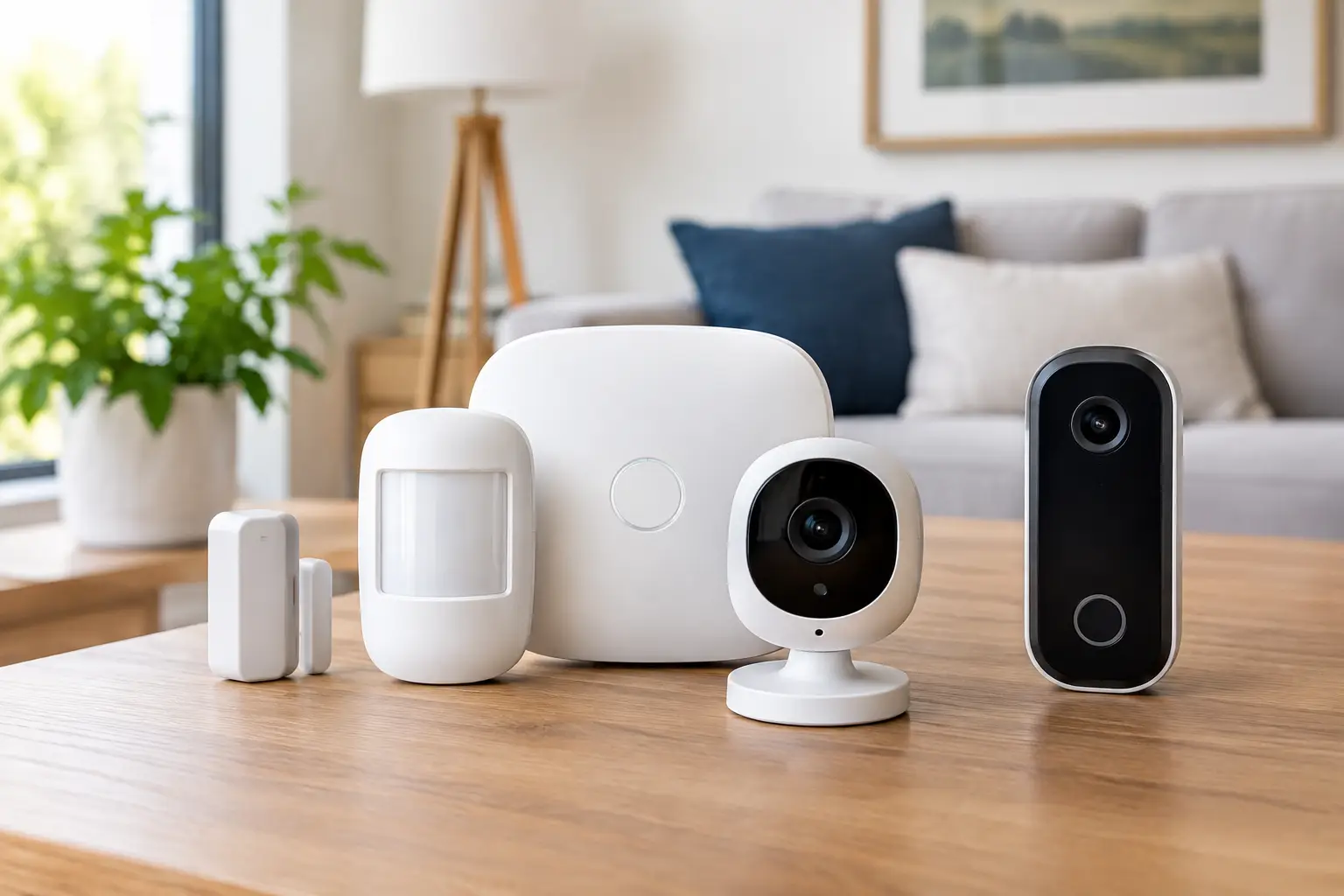
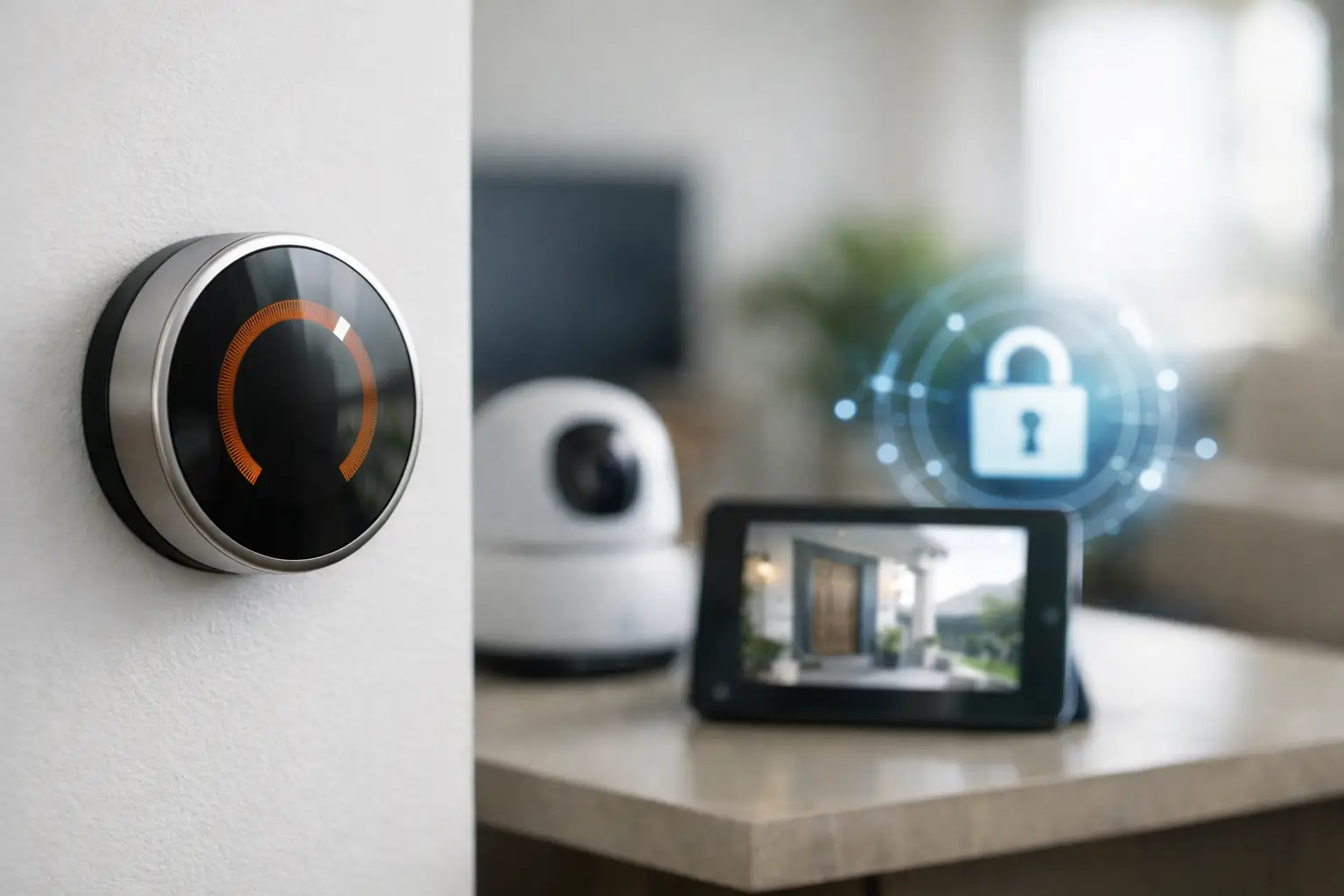
When your security system knows the house is armed away, your thermostat should know it too. That is the value of smart thermostat security integration – not another gadget on the wall, but a home that responds intelligently when you leave, return, sleep, or get an alert.
For many homeowners, climate control and security are still treated as separate decisions. One manages comfort. The other manages protection. In practice, they work better together. A connected thermostat can lower energy use when no one is home, help protect pipes during cold weather, and let you make quick adjustments from the same app you use to check cameras, lock doors, and arm your system.
Why smart thermostat security integration matters
A smart home is most useful when devices share information. If your thermostat runs on its own schedule while your alarm system tracks whether the property is occupied, you miss one of the biggest advantages of connected technology.
With smart thermostat security integration, the thermostat can react to security events and system status. Arm the system in away mode, and the temperature can automatically shift to an energy-saving setting. Disarm when you get home, and the house can return to a more comfortable range before you walk through the door. That is easier than constantly adjusting settings by hand, and it helps reduce wasted heating and cooling.
There is also a protection benefit. During extreme heat or freezing conditions, remote access matters. If you are away and notice an issue through your app or receive an environmental alert, you can check your temperature settings immediately. In the right setup, climate control becomes part of a broader plan to protect the property, not just a convenience feature.
More than comfort: where security and climate overlap
Homeowners usually start with a thermostat because they want better control over energy bills. That is reasonable, but integrated systems do more than trim monthly costs.
If your home sits empty during work hours, vacation periods, or seasonal travel, a connected thermostat helps reduce the risk of avoidable problems. In winter, keeping temperatures too low can raise the chance of frozen pipes. In summer, poor temperature management can strain HVAC equipment or create uncomfortable conditions for pets, visitors, or sensitive electronics. When your thermostat is part of the same system as your sensors, locks, cameras, and mobile alerts, you have a clearer picture of what is happening at the property.
For families, this means fewer daily adjustments and fewer forgotten tasks. For small business owners, it can also mean better control over employee routines, opening and closing schedules, and after-hours energy use. If a business arms the system at closing time, the thermostat can follow that action automatically. That creates consistency without adding more work to the end of the day.
What smart thermostat security integration should actually do
Not every connected thermostat setup is equally useful. Some products can be controlled by phone but still operate like a stand-alone device. Real integration means your thermostat is part of the larger security and automation system.
That usually includes shared app control, automation based on arming states, notifications, and the ability to coordinate with other connected devices. For example, a homeowner may want lights, locks, cameras, and thermostat settings to respond together when the house switches to away mode. A small business may want climate settings to follow a scheduled security arming event each night.
The best experience is simple. You should not need to juggle multiple apps, troubleshoot complicated routines, or guess whether one device actually communicated with another. For most people, that is where professional installation makes a real difference. Integration sounds easy until a thermostat, panel, sensors, Wi-Fi network, and mobile controls all need to work together reliably.
Professional setup changes the experience
DIY smart devices can work well in limited situations, but security-connected automation is different. Thermostats affect comfort, energy use, and in some cases property protection. Security systems affect daily access, alerts, and emergency response. When those systems are tied together, proper configuration matters.
A professionally installed system starts with the property itself. Home size, HVAC compatibility, occupancy patterns, business hours, and the rest of your security equipment all influence how the thermostat should be set up. The goal is not to add technology for its own sake. The goal is to create a system that fits how you actually live or operate.
That includes practical details many people do not think about at first. Does the thermostat support the HVAC system already in place? Should away settings be triggered by schedule, arming status, or both? Do you want remote temperature control for one location or multiple zones? Should alerts be tied to environmental devices in the same app? These choices affect whether the system feels helpful or frustrating.
A provider like Fluent Home can build that setup into a larger smart security system rather than leaving you to piece it together device by device.
Smart thermostat security integration for homeowners
For homeowners, the biggest win is convenience backed by real control. You arm the house at bedtime, lock the doors, and adjust the thermostat without moving from room to room. You leave for work, and the system shifts into away mode automatically. You head home early, and you can change the temperature from your phone before you arrive.
That convenience matters because it supports consistency. Most people do not forget to lower the temperature when leaving on purpose. They forget because they are busy. Integration reduces those small misses that add up over time.
It also gives homeowners a better way to manage second homes, rental properties, or long trips. If you are checking video alerts or door activity remotely, it helps to see and adjust climate settings from the same platform. Instead of wondering whether the house is too cold during a freeze or too warm during a heat wave, you can verify and act quickly.
Smart thermostat security integration for small businesses
Small businesses have a different set of priorities, but the same principle applies. A thermostat that works with your security system helps reduce waste and support predictable operations.
Think about a retail shop, office, salon, or small warehouse. Staff may leave at different times, closing routines may vary, and the thermostat often gets left running at daytime settings overnight. If the security system is armed at close, the thermostat can adjust automatically. If someone arrives early and disarms the system, the temperature can return to a comfortable setting before customers or employees settle in.
That kind of automation will not replace a full building management system, and not every business needs one. For many small operations, integrated security and climate control is the practical middle ground – simple enough to use every day, advanced enough to improve efficiency and oversight.
What to consider before you choose a system
The best setup depends on the property and the level of control you want. Some customers care most about energy savings. Others care more about protecting a vacant home, managing multiple devices in one app, or making everyday routines easier.
Compatibility should come first. Your thermostat needs to work with your HVAC equipment and with the security platform that controls the rest of your system. After that, think about how you want the automation to behave. Some people prefer aggressive energy-saving setbacks when away. Others want milder adjustments to keep the home closer to their usual comfort range.
You should also think about who will use the system. A busy family may want simple presets and app control. A business owner may need user permissions, scheduled events, and visibility across multiple locations. The right recommendation often comes from a consultation, not from picking the first smart thermostat with a recognizable name.
One system, less friction
People invest in smart security because they want more control without more complication. That same standard should apply to climate control. If your thermostat, locks, cameras, sensors, and alerts all live in separate systems, daily management becomes harder than it needs to be.
Smart thermostat security integration works best when it quietly supports the routines you already have. Leave the house, and the system responds. Come home, and comfort returns. Check an alert, and the information you need is in one place. That is what makes connected technology feel worthwhile.
If you are upgrading your security system or building one for the first time, the thermostat should not be an afterthought. It is one more way to protect the property, simplify daily life, and keep control within reach when you are home or away. The right setup does not just make the house smarter. It makes your protection plan more useful every day.