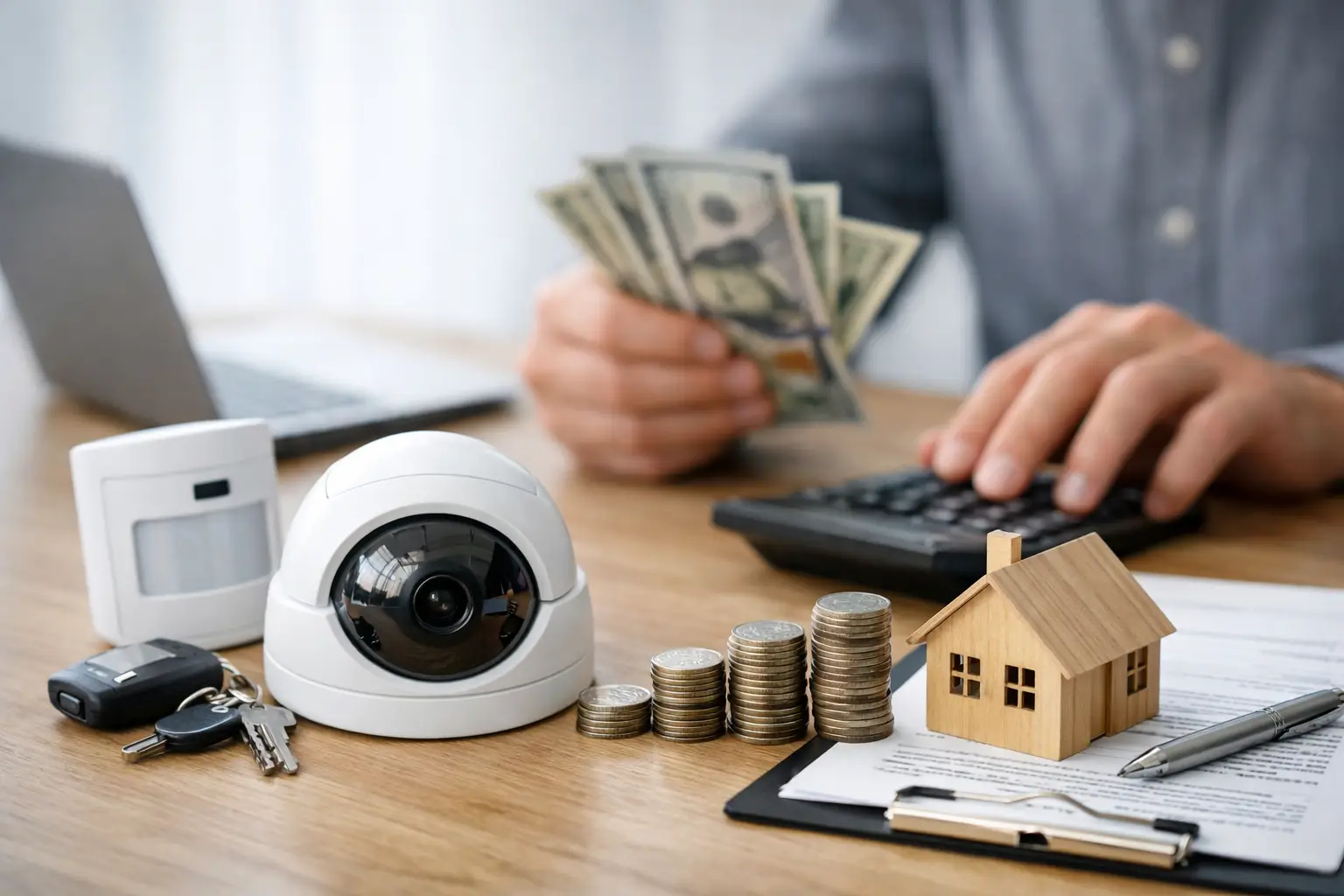
Sticker shock stops a lot of people right before they protect what matters most. A professionally installed security system can include smart cameras, intrusion sensors, fire and flood protection, access control, automation, and 24/7 monitoring. That level of protection is worth it for many households and businesses, but the upfront price can still feel like a roadblock.
That is exactly why security system financing options matter. The right payment structure can make it easier to get the coverage you need now instead of waiting until after a break-in, a package theft problem, or a costly water leak. The key is understanding how financing works, what you are actually paying for, and where flexibility matters most.
Why financing is common in professional security
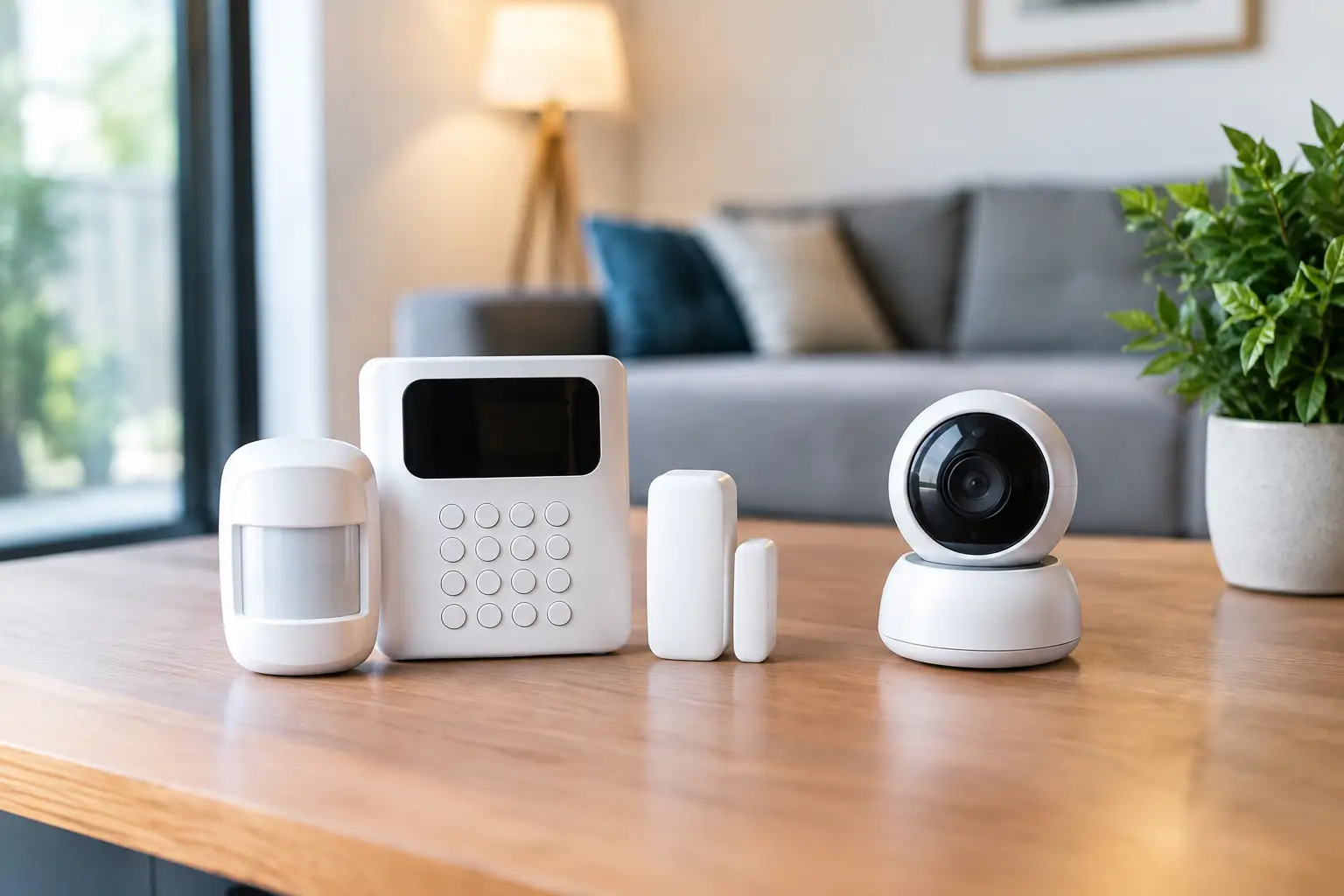
Most professionally installed systems are not a single-device purchase. They are a complete service. You are paying for equipment, installation, system design, mobile control, and in many cases ongoing professional monitoring. For homeowners, that might mean a smart panel, door and window sensors, cameras, a video doorbell, smart locks, smoke detection, and flood sensors. For small businesses, it may also include access control, indoor and outdoor surveillance, and analytics.
Because these systems are customized, the cost can vary a lot. A smaller setup may focus on intrusion and a doorbell camera. A more advanced package may add AI-supported deterrence, video verification, garage control, thermostat automation, and environmental protection. Financing helps spread those costs over time so the system fits your monthly budget more comfortably.
The most common security system financing options
When people compare security system financing options, they usually find a few common models.
Monthly equipment financing
This is one of the most familiar options. Instead of paying for all equipment upfront, you pay for it in monthly installments over a set term. That can make a larger system much more manageable, especially if you want full-property coverage instead of a basic starter package.
The advantage is straightforward. You can often afford better protection right away. The trade-off is that your total monthly obligation may be higher during the financing term, especially if monitoring is billed separately.
Bundled monthly payments
Some providers combine equipment costs, installation, service, and monitoring into one monthly payment. For many customers, this is the simplest route because it reduces surprises and makes budgeting easier.
This model is often attractive for families and business owners who want turnkey service. It can also make upgrades easier if you want to add cameras, smart locks, or environmental sensors later. The part to watch is contract structure. You want to know how long the term lasts, what is included, and whether pricing changes after promotional periods end.
Promotional financing
Promotional financing can lower the barrier to entry even more. Depending on the provider and your credit profile, this might include reduced upfront costs, low-interest payment plans, or temporary promotional terms.
This can be a strong option if you want a more complete system now and prefer to preserve cash for other household or business expenses. Just read the details carefully. Promotional offers are helpful when the long-term payment terms still fit your budget after the introductory period.
Upfront payment with separate monitoring
Some buyers choose to pay for equipment and installation upfront, then pay a lower monthly fee for monitoring and service. This can reduce long-term financing costs and may appeal to customers who have cash available but still want professional monitoring.
The downside is obvious. The upfront investment is higher. If your goal is to get the most complete protection package without a large initial spend, this may not be the best fit.
What affects your monthly cost
A lot of buyers ask the same question first: how much will financing actually cost each month? The answer depends on the system design.
A smaller home may need basic entry protection, a doorbell camera, and app control. A larger home may need multiple outdoor cameras, glass-break sensors, smoke and carbon monoxide detection, flood protection, and smart locks at several entry points. A business may need video surveillance, after-hours intrusion detection, and controlled employee access.
Installation complexity also matters. Professionally installed systems are designed around the property, which is part of the value. A custom layout helps eliminate blind spots, improve camera placement, and make sure devices work together through one interface.
Then there is monitoring. A system with 24/7 professional monitoring, video verification, and proactive deterrence offers a different level of service than a self-monitored setup. That added protection affects monthly pricing, but for many customers it is also the reason they choose a professional provider in the first place.
How to compare financing without getting distracted by the headline number
A low monthly price can look appealing until you realize it only covers a very limited setup. The smarter way to compare security system financing options is to look at the whole package.
Start with coverage. Does the quoted system actually protect the areas you care about most? That includes front and back entry points, garage access, interior motion coverage where appropriate, video at key exterior locations, and environmental devices in high-risk areas.
Then look at service. Is professional installation included? Is mobile app access standard? Are monitoring and support part of the monthly payment? Can you add devices later without replacing the whole system?
Finally, ask about contract details. Term length, cancellation terms, service commitments, warranty coverage, and equipment ownership all matter. The cheapest quote is not always the most affordable choice if it leaves you underprotected or boxed into a setup that cannot grow with your needs.
Security system financing options for homeowners
For homeowners, financing is often about balancing peace of mind with household cash flow. Many families do not want to choose between better security and other major expenses. Monthly payments make it easier to install a professionally designed system now and spread the cost over time.
This becomes especially valuable when security needs go beyond burglary prevention. A connected system can also help you watch for deliveries, check cameras while away, lock doors remotely, manage lights, and receive alerts for smoke, carbon monoxide, or water issues. When financing turns that from a large one-time purchase into a manageable monthly cost, the decision becomes more practical.
If you are planning to stay in your home for years, it may make sense to invest in a broader system from the start. If you expect your needs to change, flexibility may matter more than getting every add-on immediately.
Security system financing options for small businesses
For small business owners, financing is less about convenience alone and more about protecting operations without tying up too much working capital. Cash that goes into a full upfront equipment purchase is cash that cannot be used for staffing, inventory, or expansion.
That is why monthly financing can be a strong fit for businesses that need multiple cameras, intrusion detection, smart alerts, and access control. You can secure the property, monitor activity remotely, and build a more controlled environment without taking a large hit all at once.
The right business setup depends on your location, hours, traffic patterns, and internal risks. A retail storefront has different needs than a small office or service business. Financing gives you room to match the system to the actual risk instead of trimming protection just to hit a lower upfront number.
Questions to ask before you sign
Before choosing among security system financing options, ask a few direct questions. What exactly is included in the monthly payment? How long is the term? Is monitoring included, and at what service level? What happens if you want to add equipment later? Is there a warranty on devices and installation? Are there any activation, service, or early termination fees?
These are not small details. They tell you whether the financing supports a long-term security plan or just gets you through the sale.
It also helps to ask whether the provider is designing the system around your property or pushing a preset package. Customized recommendations usually lead to better protection and a better return on your monthly spend.
The best financing option is the one that matches the risk
A basic package with a lower payment may be enough for some properties. For others, it creates false confidence. If your home has multiple access points, frequent deliveries, or a history of neighborhood theft, stronger video coverage may be worth the higher monthly cost. If your business has employee turnover, sensitive inventory, or off-hour activity, access control and verified video response may deserve priority.
That is why financing should support the system you actually need, not just the smallest payment you can find. A well-designed plan gives you protection that works now and can expand later.
If you are comparing providers, focus on the combination of expert installation, smart technology, monitoring quality, and financing flexibility. A company like Fluent Home can help tailor the system and the payment structure so you are not forced into an all-or-nothing decision.
When the right protection is within reach, waiting usually becomes the more expensive choice.