
A useful retail theft deterrence example does more than record a shoplifting incident after it happens. It creates visible, timely friction that makes theft less appealing before merchandise leaves the store. For a small retailer, that can mean a camera-equipped entrance, protected high-value displays, controlled employee-only doors, and a trained response when suspicious activity appears.
The goal is not to make every customer feel watched. It is to make your business clearly prepared while giving honest shoppers an easy, comfortable experience. The best plans protect people first, reduce avoidable loss, and give owners a clearer view of what is happening across the store.
A Retail Theft Deterrence Example in Action
Picture a neighborhood electronics and wireless accessories store. Small, high-value items sit near the front counter. The business has two public entrances, a stockroom door, and a rear delivery entrance. The owner has dealt with missing accessories, occasional grab-and-go attempts, and uncertainty about who enters restricted areas after hours.
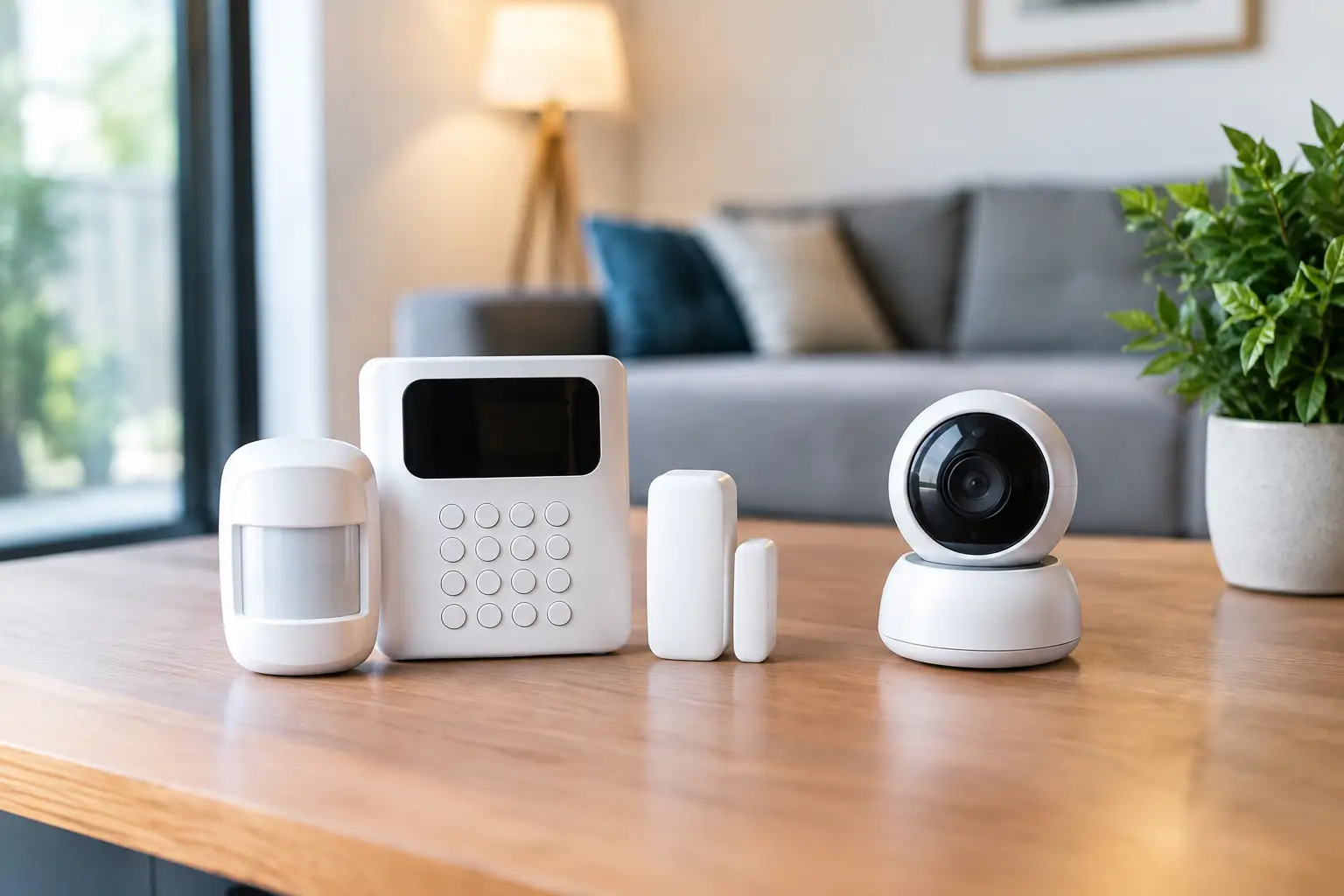
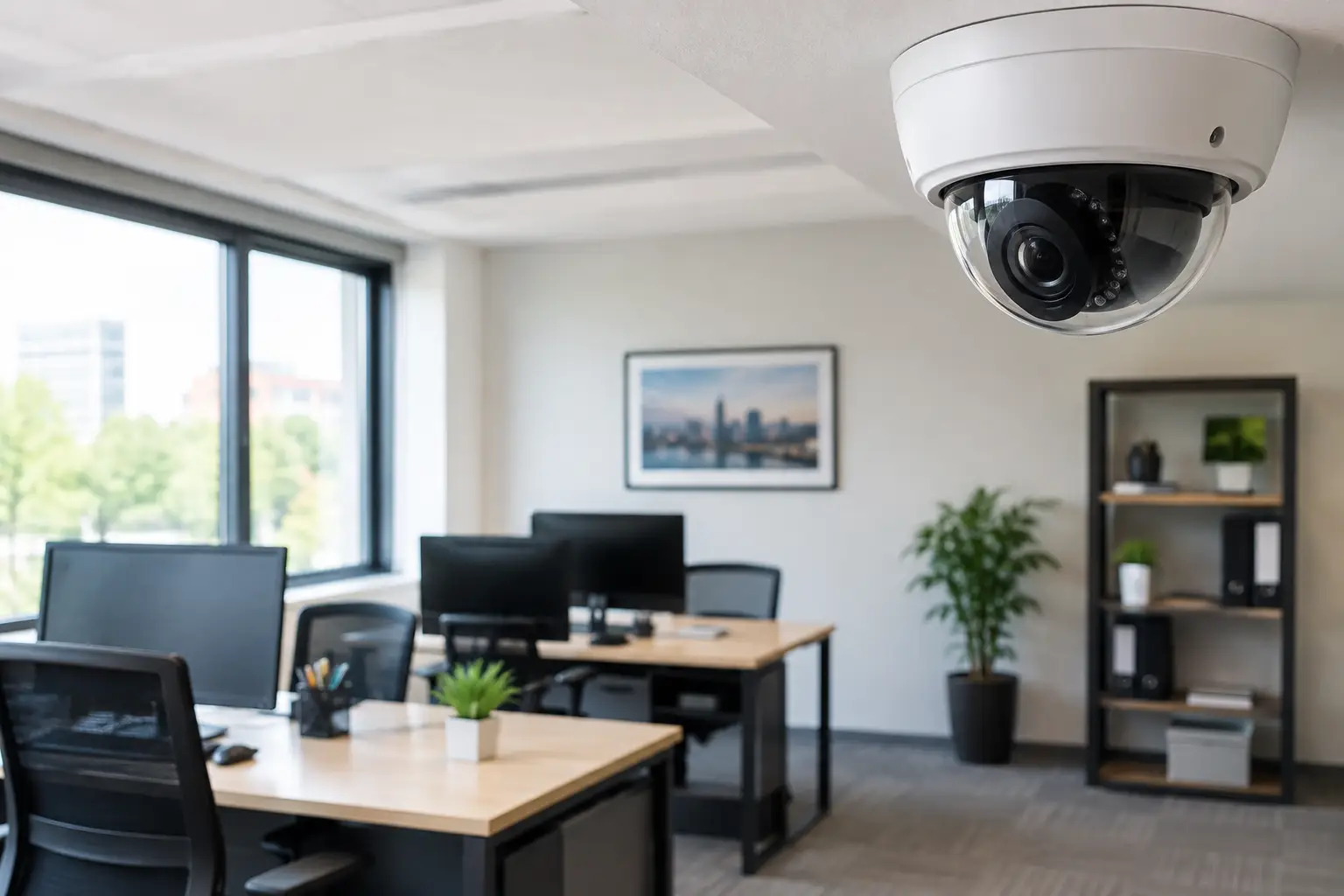
A practical deterrence plan starts at the perimeter. Outdoor cameras cover the parking area, storefront, and rear delivery door. A visible doorbell or entry camera captures a clear view of people entering, while interior cameras cover the checkout, high-value displays, stockroom entrance, and exit paths. Signs stating that video monitoring is in use reinforce what the equipment already communicates: this location is actively protected.
When someone approaches a high-theft display and lingers in a way that triggers a configured analytics rule, the system can notify the owner or monitoring team. In a system with AI-enhanced deterrence, an active warning may be issued when appropriate. The response is immediate and noticeable without requiring an employee to confront someone alone.
At the same time, the stockroom stays protected through access control. Employees use assigned codes, credentials, or mobile access instead of relying on a shared key that can be copied or misplaced. The owner can see when the door was opened and by whom. If the door is forced or opened outside approved hours, the intrusion system can send an alert and initiate a professional response.
This is not one device doing all the work. It is a coordinated security setup that makes theft harder to attempt, easier to detect, and faster to address.
Why Visible Deterrence Changes Behavior
Retail theft often depends on opportunity. A person may look for blind spots, distracted employees, unprotected exits, or merchandise that can be concealed and resold quickly. A clearly visible security presence changes that calculation.
Cameras alone can be valuable for evidence, but passive video has limits. If nobody sees an incident until the next morning, inventory may already be gone and the person may be difficult to identify. Live notifications, video verification, and active deterrence give a business more options while an event is still unfolding.
Visible security also helps employees. Staff members should not be expected to physically intervene with a suspected shoplifter. A professionally designed system gives them a safer way to follow store policy: stay aware, protect customers, notify management, and let trained security or law enforcement handle escalation when needed.
There is a balance to maintain. Cameras should focus on entrances, aisles, registers, inventory areas, and other legitimate business locations. Avoid placing cameras where privacy is expected, and make sure your policies comply with local laws. Good security should feel deliberate, not intrusive.
Build Layers Around the Risks You Actually Have
Every retailer has different pressure points. A convenience store may need clear coverage of checkout activity and late-night entries. A salon may be more concerned about unauthorized access to supplies and customer information. A jewelry counter needs tighter coverage and stronger procedures around showcases, while a small warehouse may prioritize loading doors and after-hours intrusion detection.
Start with the questions that reveal where loss is most likely to occur. Which products disappear most often? Which entrances are hardest to supervise? Are there blind spots near aisles, displays, or receiving areas? Does the business know when staff enter restricted spaces? These answers should shape the system design.
Cover entries, exits, and critical paths
An entrance camera should provide a useful face-level view rather than a distant image of the top of someone’s head. Exterior coverage can help document vehicles, approach paths, and activity near delivery doors. Inside, cameras should create a clear visual path from high-value merchandise to exits.
The goal is coverage with purpose. Too few cameras leave gaps. Too many poorly placed cameras can create a false sense of security and make footage harder to review. Professional installation helps ensure devices are positioned for lighting conditions, field of view, and the details that matter when an incident occurs.
Protect merchandise without burying the store in barriers
Locked display cases, secured hooks, and smart placement can reduce impulse theft for small, high-value products. But physical protection should match the merchandise and shopping experience. Putting every item behind a counter may frustrate customers and slow sales.
Instead, reserve stronger controls for products that are frequently targeted, easy to conceal, or expensive to replace. Keep high-risk items within employee sightlines where possible. Use cameras to support those sightlines, especially during busy hours when employees are helping multiple customers.
Control the doors customers do not use
Back doors, stockrooms, offices, and receiving entrances are often overlooked. Yet these areas can create opportunities for unauthorized entry, internal loss, or after-hours access.
Access control gives business owners accountability without adding daily hassle. You can assign access by employee, revoke it when roles change, and review entry activity from one system. Pairing access control with intrusion detection adds another layer: if a protected door is opened unexpectedly, the business can receive an immediate alert instead of discovering the issue later.
Make Response Part of the Deterrent
The most effective security plan answers a simple question: what happens after the system detects a concern?
A notification sent only to an owner’s phone may be enough for a low-risk event during business hours. But if the owner is driving, asleep, serving customers, or away from the property, that alert may not receive the attention it needs. Professional monitoring and video verification can add a meaningful layer of support, especially for businesses that cannot keep someone watching cameras at all times.
With verified video, trained professionals can assess a triggered event and help determine whether there is a real threat. That can support a faster, more informed response than an alarm alone. It also reduces the burden on employees, who should be focused on customer service and personal safety rather than acting as security guards.
Fluent Home designs integrated commercial systems that bring cameras, intrusion protection, smart access, and professional monitoring into one manageable setup. Rather than asking a business owner to piece together disconnected equipment, an expert can build protection around the store’s actual layout, inventory, and operating hours.
Use Video to Improve Operations, Not Just Investigate Loss
Security video can help uncover patterns that are easy to miss from the sales floor. Perhaps incidents cluster near a particular display, happen during a shift change, or involve a rear entrance that does not latch consistently. Reviewing these patterns can lead to practical corrections, such as moving merchandise, changing a closing procedure, improving lighting, or adjusting camera placement.
The same footage can also help resolve customer disputes, confirm deliveries, and document damage or safety incidents. That wider value matters for small businesses working to get more from every operational investment.
Still, technology is only as effective as the processes around it. Set clear rules for who receives alerts, who can review footage, and what employees should do during a suspected theft event. Test alarms and cameras regularly. Update access permissions when staffing changes. Small maintenance tasks prevent a well-designed system from becoming a collection of ignored notifications.
The Right Message Is Prepared, Not Hostile
Retail security works best when it communicates calm readiness. Customers should see a clean, well-managed store with attentive staff and visible protection. Potential offenders should see fewer easy opportunities and a greater chance of being detected quickly.
That distinction matters. A deterrence plan is not about turning a business into a fortress. It is about protecting the people who work there, the customers who shop there, and the inventory that keeps the business running.
If theft concerns are growing or current cameras only provide answers after the fact, a custom security consultation can identify where protection is missing. The right combination of visible cameras, active deterrence, access control, and professional response can help your store stay welcoming to customers and far less inviting to theft.