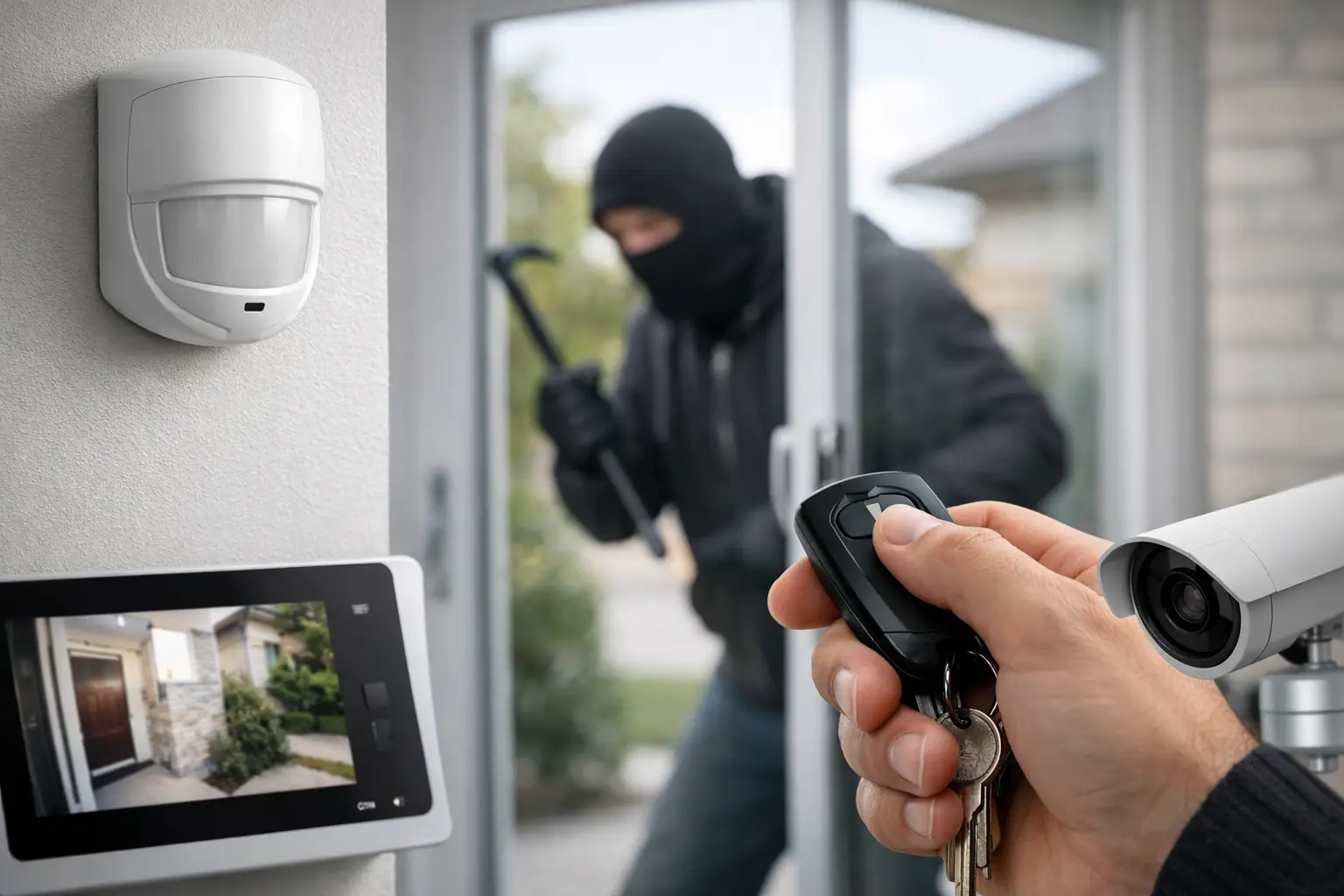
A kicked-in back door takes seconds. So does a smashed side window, an opened garage entry, or a package thief testing whether anyone is home. A residential intrusion detection system is built for that exact moment – to detect unauthorized entry fast, trigger the right response, and help stop a break-in from turning into a much bigger loss.
For many homeowners, the real question is not whether security matters. It is whether the system will be reliable, easy to use, and worth paying for month after month. That is where the difference between basic alarms and a professionally designed solution becomes clear. Good security is not just about making noise. It is about knowing what happened, where it happened, and what happens next.
What a residential intrusion detection system actually does
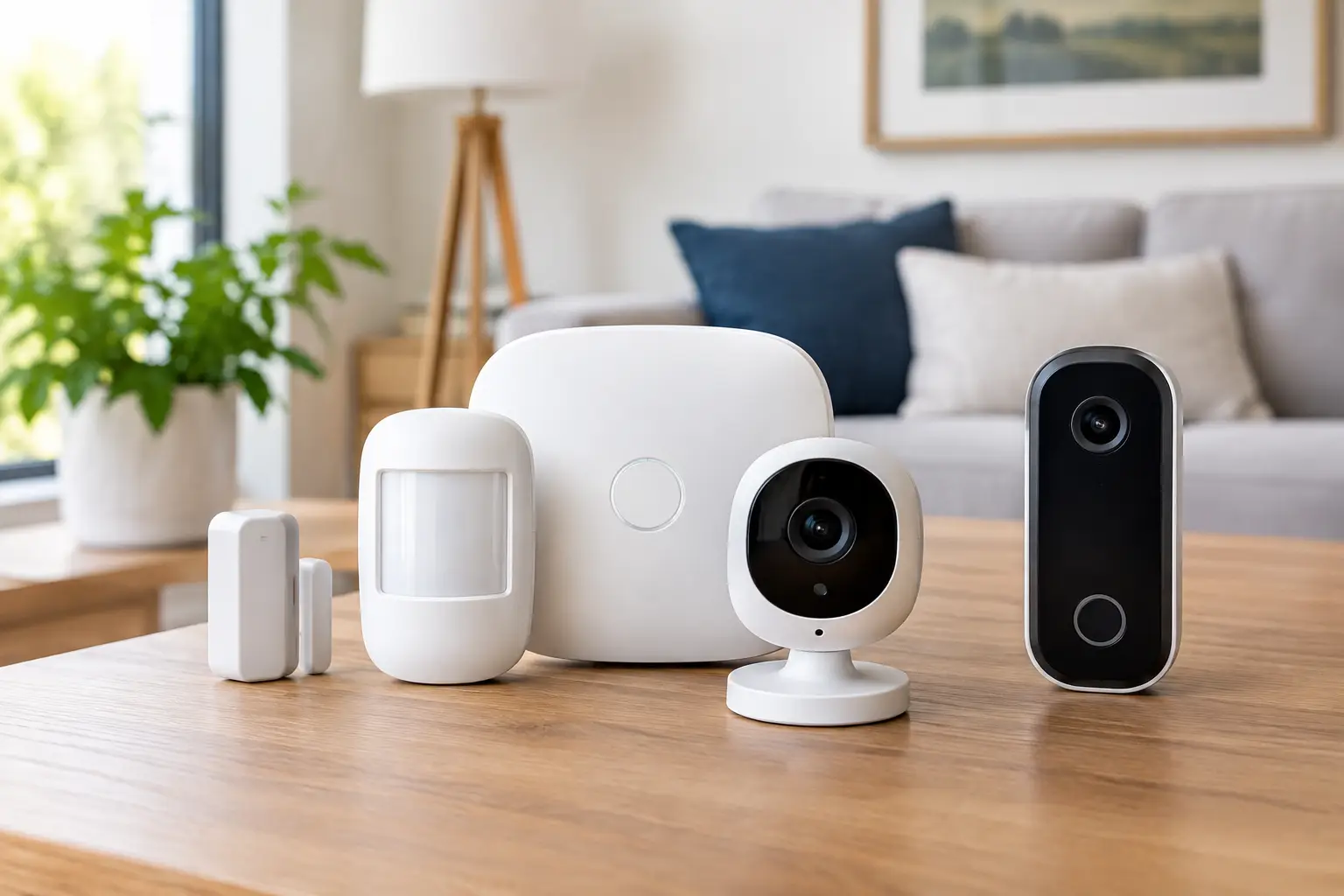
At its core, a residential intrusion detection system watches key entry points and interior spaces for signs of unauthorized access. That usually starts with door and window sensors, motion detectors, glass break sensors, and a central control panel that communicates with monitoring services and your mobile app.
When a protected door opens unexpectedly or motion is detected while the system is armed, the system sends an alert. Depending on the setup, that can trigger a siren, notify the homeowner, send a signal to a professional monitoring center, or all three. The best systems do not work as isolated devices. They coordinate with cameras, smart locks, lights, and automation rules so your home reacts immediately.
This is why professionally installed systems tend to outperform pieced-together DIY setups. Sensor placement matters. Signal strength matters. Entry delay timing matters. If the goal is real protection instead of a box checked on a to-do list, design and installation are part of the security itself.
The main parts of a residential intrusion detection system
Most homeowners start with perimeter protection. Door and window contacts are the first line of defense because they catch activity at the point of entry. If someone opens a door or raises a window while the system is armed, the event is detected right away.
Motion detectors add a second layer. If an intruder gets past the perimeter or enters through an unprotected opening, interior motion sensors can still trigger the alarm. In larger homes, they are especially useful in hallways, stairwells, and main living areas where movement is easier to track.
Glass break sensors help cover rooms with large windows or sliding glass doors. Rather than waiting for someone to fully enter, these devices listen for the sound pattern of breaking glass. They are useful, but not every home needs them in every room. Placement should match real risk areas, not just square footage.
The control panel is the brain of the system. It lets you arm and disarm the home, manage users, and communicate with the monitoring center. In a modern setup, the panel also connects with your phone so you can check status, receive alerts, and control parts of the system remotely.
Cameras are not always classified as intrusion sensors, but they make the system much stronger. Video verification helps confirm whether an alert is a real threat, a false alarm, or normal household activity. That matters when every minute counts.
Why professional monitoring changes the value
A loud siren can scare off some intruders. It can also be ignored. If you are asleep, traveling, at work, or simply miss a phone alert, a self-monitored system may leave too much to chance.
Professional monitoring closes that gap. When the system detects an event, trained operators can review the signal, attempt contact, and request emergency response when needed. In advanced setups, video verification and analytics help provide better context instead of treating every event the same way.
That changes the role of the system from passive notification to active protection. It is not just telling you something may be wrong. It is helping move the response forward even when you are not available.
There is a trade-off, of course. Monitoring adds a recurring cost. But for many households, that monthly expense is the reason the system is genuinely useful instead of occasionally convenient.
Smart home features make security easier to use
A security system only works when people actually use it. That sounds obvious, but many homes end up underprotected because arming the system feels inconvenient or confusing.
Smart home integration solves a lot of that friction. You can arm the system from your phone, lock the door after leaving, get notified if a child comes home early, or have outdoor lights turn on when motion is detected. If a package is delivered, a doorbell camera can let you see it in real time. If a garage door is left open, you can close it remotely.
These features may sound like convenience upgrades, but they also improve daily adoption. The easier the system is to manage, the more consistently it gets used. And consistency matters more than having the longest feature list.
Choosing the right setup for your home
Not every house needs the same design. A single-story ranch with multiple rear windows has different vulnerabilities than a townhouse with one main entry point. A family with school-age kids may want flexible user codes and app alerts. A homeowner who travels often may care more about cameras, smart locks, and environmental monitoring.
That is why consultation-led design matters. A good provider looks at how you live, where your home is exposed, and which devices fit your layout. More equipment is not always better. The goal is complete coverage without clutter, overlap, or gaps.
There is also the question of future expansion. Many homeowners start with intrusion detection and later add cameras, smoke and carbon monoxide detection, flood sensors, or automation devices. A modular system makes that simple. You should not have to replace the foundation of your security setup every time your needs change.
False alarms, pets, and everyday life
One concern comes up in almost every security conversation: false alarms. Homeowners worry about accidentally triggering the system, dealing with calls from the monitoring center, or creating problems when pets move around the house.
This is where quality equipment and proper configuration matter. Pet-aware motion sensors, sensible entry delays, clear user settings, and professional installation can reduce nuisance alarms significantly. So can user training. A system should be intuitive enough that every member of the household knows how to arm it, disarm it, and respond if a sensor activates.
No system is completely immune to human error. Someone will eventually forget a code or open a protected door too early. The point is not perfection. The point is building a setup that supports real life without weakening protection.
Residential intrusion detection system vs. basic alarm kits
The biggest difference is not the number of gadgets in the box. It is how well the system performs when something actually happens.
Basic alarm kits can be appealing because the upfront price looks low. For some homeowners, they are a reasonable starting point. But they often rely on self-installation, limited support, weaker integration, and a more reactive model where alerts go only to the homeowner.
A professionally installed residential intrusion detection system is designed to reduce blind spots and improve response. It can combine intrusion sensors, cameras, smart automation, and 24/7 monitoring into one managed platform. That means fewer compatibility issues, simpler control, and more confidence that the system will work the way it should.
For homeowners who want security without having to engineer it themselves, that difference is hard to overstate.
What to look for before you buy
Start with reliability. Ask how the system communicates, what happens during power or internet outages, and whether backup options are included. Then look at usability. If the app is clunky or the control panel is confusing, the system becomes harder to trust.
Monitoring quality should also be part of the decision. Fast signal handling, clear communication, and support during real emergencies matter more than marketing language. If video analytics or AI-based deterrence are available, ask how they help reduce false alarms and improve response.
Finally, think beyond burglary. Many homeowners now want one platform that also covers fire, carbon monoxide, flooding, and remote home control. That broader protection can make a security investment more valuable day to day. Fluent Home is one example of how a professionally installed system can bring those functions together under one app and one support model.
The best time to think through home security is before you need it. A well-designed system does more than sound an alarm. It helps you protect the people, property, and routines that make your house feel like home.