
A camera over the front door can stop a package thief before they reach the porch. A camera in the entryway can tell you whether your kids made it home from school. That is the real difference in the indoor vs outdoor security cameras conversation – each one protects a different part of your day, and the best setup usually includes both.
If you are trying to choose between them, start with one simple question: where do you need visibility most? Outdoor cameras are built to deter, detect, and document activity before someone gets inside. Indoor cameras help you verify what is happening once people, pets, employees, or visitors are already in the space. Both matter, but they solve different security problems.
Indoor vs outdoor security cameras: the core difference
Indoor and outdoor cameras may look similar in an app, but they are designed for different jobs. Outdoor models are made to handle rain, heat, cold, dust, and changing light conditions. They are usually tougher, more weather-resistant, and more visible by design. That visibility is part of the value because a clearly placed outdoor camera can discourage suspicious behavior before it starts.
Indoor cameras focus more on awareness inside the property. They are often smaller and less obtrusive, with features that help you monitor common areas, entry points, hallways, nurseries, stock rooms, lobbies, or offices. Instead of standing up to the weather, they are optimized for interior lighting, tighter spaces, and everyday convenience.
This is why the decision is not really about which type is better. It is about which blind spots matter most. If your goal is to stop porch theft, watch the driveway, or track activity around a storefront after hours, outdoor coverage should come first. If your goal is checking on children, confirming employee arrival times, or watching interior access points, indoor coverage becomes just as important.
What outdoor cameras do best
Outdoor cameras give you the earliest warning. They watch the perimeter, which means they can capture someone approaching a door, walking through a gate, pulling into a driveway, or lingering near a business entrance. That earlier visibility can make a major difference because prevention starts before a break-in or theft happens.
For homeowners, this often means monitoring front doors, back patios, garages, side yards, and driveways. For small businesses, it may mean watching customer entrances, parking areas, delivery zones, and exterior doors. In both cases, outdoor placement creates a first layer of defense.
The best outdoor systems do more than record footage. They can support motion alerts, visible deterrence, two-way audio, floodlights, and video analytics that help identify meaningful activity instead of flooding you with constant notifications. That matters because a camera is most useful when it helps you act quickly, not when it buries you in clips of passing cars and tree branches.
There are trade-offs, though. Outdoor cameras can face glare, shadows, heavy rain, snow buildup, and changing nighttime conditions. Placement matters more than many people expect. A camera aimed too high may miss faces. A camera placed too low may be vulnerable to tampering. Professional installation can solve a lot of those problems by aligning coverage with actual risk areas instead of just mounting devices where they fit.
What indoor cameras do best
Indoor cameras are about confirmation and control. They let you check whether the house is empty when it should be, whether a child got home safely, whether a cleaner or dog walker arrived on time, or whether an employee accessed a sensitive area after hours. In a business setting, they can also help resolve disputes, verify opening and closing procedures, and monitor high-traffic interior areas.
Their biggest advantage is context. An outdoor camera might show someone entering through the front door. An indoor camera can show where they went next, how long they stayed, and whether they accessed a restricted area. That kind of visibility is valuable when you want a complete picture, not just a snapshot of the perimeter.
Indoor cameras are also often easier to place discreetly. They can cover entryways, living rooms, hallways, reception areas, and inventory spaces without dominating the room. And because they operate in more stable lighting and weather conditions, they often deliver consistent video quality with fewer environmental challenges.
The trade-off is simple: they do not deter activity outside the property nearly as well as visible outdoor cameras do. If someone steals a package off your porch, an indoor camera may catch them only if they come inside afterward. If your goal is to prevent an exterior event, indoor coverage alone will leave gaps.
Indoor vs outdoor security cameras for homes
For most homes, the strongest setup is not either-or. It is layered coverage. Outdoor cameras protect the perimeter and help deter unwanted visitors. Indoor cameras help you monitor the spaces that matter most once someone enters or when you simply want day-to-day awareness.
A common starting point is an outdoor camera at the front door or driveway, then an indoor camera covering the main entry or central living area. That combination gives you both early detection and interior verification. If package theft is a concern, prioritize exterior coverage near the porch. If you travel often or have children coming home to an empty house, adding indoor visibility makes sense quickly.
Privacy also matters indoors. Some homeowners want interior coverage only when the system is armed away. Others prefer cameras in entryways and common areas but not in private spaces. A professionally designed system can account for those preferences while still protecting the home effectively.
Indoor vs outdoor security cameras for small businesses
For small businesses, the choice usually depends on where loss or liability happens most often. If your biggest concern is break-ins, vandalism, after-hours trespassing, or unsafe activity in the parking lot, outdoor cameras should be a priority. If your concern is internal theft, customer interactions, cash handling, compliance, or employee access, indoor cameras become essential.
Retail stores, offices, restaurants, warehouses, and service businesses often need both. Exterior cameras help protect entrances, loading areas, and parking spaces. Interior cameras help monitor registers, storage rooms, reception areas, hallways, and points of access. Together, they support a more complete record of events.
This is also where integrated security matters. Cameras work better when they are part of a larger system with intrusion detection, smart alerts, access control, and professional monitoring. Instead of watching disconnected video feeds, business owners can manage activity from one app and respond faster when something looks wrong.
How to decide which camera you need first
If you are choosing one type first, think about the incident you most want to prevent. If it starts outside, start with outdoor coverage. If it happens inside, start there.
Choose outdoor cameras first if you want to deter porch theft, monitor visitors, watch driveways, secure exterior doors, or protect a storefront after hours. Choose indoor cameras first if you need to monitor common areas, verify who enters interior spaces, check on children or pets, or oversee operations inside a small business.
But if your budget allows for only one camera today, it is worth planning for a system, not a single device. Security gaps usually appear between devices, not within them. A camera that sees the porch but not the door, or the front hall but not the outside approach, gives you only part of the story.
Why installation and monitoring matter
The camera itself is only one piece of the result. Coverage quality depends on placement, field of view, lighting, motion settings, app usability, and how the camera works with the rest of your system. That is where professional installation can make the difference between having cameras and having real protection.
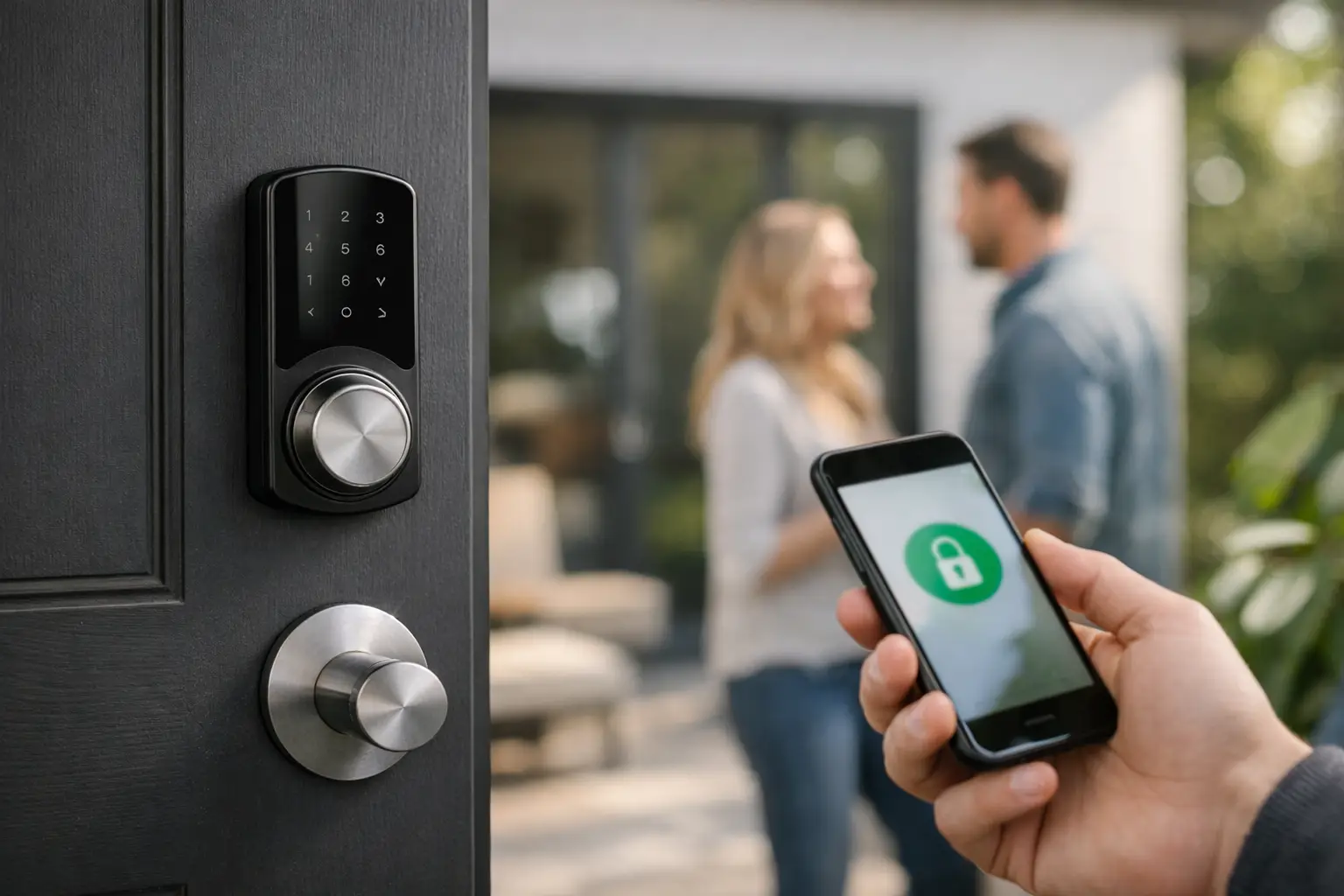
A professionally installed setup can position indoor and outdoor devices where they are most effective, reduce blind spots, and tie video into alarms, smart locks, environmental sensors, and mobile control. That means you are not managing separate tools – you are using one connected system built around how you live or work.
For many property owners, monitoring is the next step that changes everything. A recorded clip is helpful after an event. Verified alerts and fast response are what help when the event is happening now. Fluent Home builds security around that idea, with integrated video, smart automation, and professional support designed to move from passive recording to proactive protection.
The right answer to indoor vs outdoor security cameras is usually not a hard choice between two products. It is a practical decision about where risk starts, where visibility matters most, and how much peace of mind you want from one connected system. When your cameras are matched to your property, placed correctly, and supported by professional monitoring, security stops feeling complicated and starts feeling dependable.