A fire alarm can be the first warning that something is wrong. What happens after that warning matters just as much. Commercial fire monitoring services connect your business fire system to trained monitoring professionals who can act when an alarm signal is received, even when your building is closed, unoccupied, or miles away from the person in charge.
For small and midsize businesses, this protection is not just about checking a box for code compliance. It is about protecting employees, customers, inventory, equipment, records, and the ability to reopen tomorrow. A professionally designed system gives you a clearer path from detection to response, without asking you to manage a complicated mix of devices on your own.
What Commercial Fire Monitoring Services Do
A commercial fire alarm system detects possible fire conditions through devices such as smoke detectors, heat detectors, manual pull stations, sprinkler flow switches, and carbon monoxide detectors where appropriate. Monitoring adds a critical layer: the system transmits alarm, trouble, and supervisory signals to a professional monitoring center.
When an alarm signal comes in, monitoring personnel follow the response procedures established for your account. Depending on the event and local requirements, that can include dispatching emergency responders and contacting designated keyholders. The goal is simple: make sure an alarm does not go unnoticed because the business is closed, a manager missed a call, or no one was nearby to investigate.
Not every signal means the same thing. An alarm signal may indicate smoke, heat, or sprinkler activation. A trouble signal can point to a low battery, communication issue, or device problem that needs service. A supervisory signal can indicate a condition that requires attention, such as a closed sprinkler valve. Each notification gives you a chance to address an issue before it becomes a larger interruption to your operation.
Why Monitoring Matters When Your Business Is Empty
Many business fires begin outside normal operating hours. A restaurant may have kitchen equipment left energized. A warehouse may have charging equipment, electrical panels, or stored materials that create risk. Offices, retail stores, and service businesses can all face electrical faults or other fire hazards after the last employee locks the door.
Without monitoring, an alarm may sound inside an empty building with no one available to hear it. A remote notification to a phone is useful, but it still depends on someone seeing the alert, understanding the situation, and taking the right next step. Professional monitoring creates a more dependable response plan when people are busy, asleep, traveling, or unable to answer.
This is especially valuable for owners who manage more than one location. Instead of relying on a different employee at every site to handle an after-hours emergency, you can establish consistent procedures and a defined call list. That consistency supports faster decisions during a stressful event.
Fire Detection Is Not a One-Size-Fits-All System
The right equipment depends on the building, business type, local fire code, occupancy, and existing systems. A small retail storefront may need a very different setup than a medical office, auto shop, daycare, restaurant, or mixed-use property.
Smoke detection can be effective in many areas, while heat detection may be better suited to locations where dust, steam, or cooking activity could cause nuisance alarms. Sprinkler monitoring can provide visibility into water flow and valve conditions. Pull stations give occupants a direct way to initiate an alarm. Carbon monoxide detection may also be required or recommended where fuel-burning appliances, attached garages, or other CO risks exist.
The trade-off is that adding devices without a clear plan can create unnecessary cost or operational headaches. Too few devices can leave gaps. Poor placement or inappropriate detector types can lead to false alarms that disrupt staff and potentially create fees. A professional site assessment helps match the system to how your building actually operates.
Professional Installation Protects the Details
A fire system is only as reliable as its design, installation, testing, and ongoing service. Device placement, wiring, power backup, signal communication, local requirements, and coordination with other building systems all need careful attention.
Professional installation removes guesswork from the process. Your system can be configured around the layout of your business, the areas that need protection, and the people who need to be notified. It also creates a better foundation for future expansion if you add offices, storage areas, cameras, access control, or intrusion protection.
Pair Fire Protection With Broader Business Security
Fire monitoring is essential, but it works best as part of a connected safety and security strategy. A business security system can bring fire devices, intrusion detection, video surveillance, access control, environmental sensors, and mobile management together in one place.
That combination gives owners a more complete picture of what is happening at their property. Cameras can help you check the building after an alarm or verify that employees have evacuated safely when appropriate. Access control can show who entered a restricted area. Intrusion monitoring can protect the business after hours, while flood detection can alert you to water issues that could damage stock or equipment.
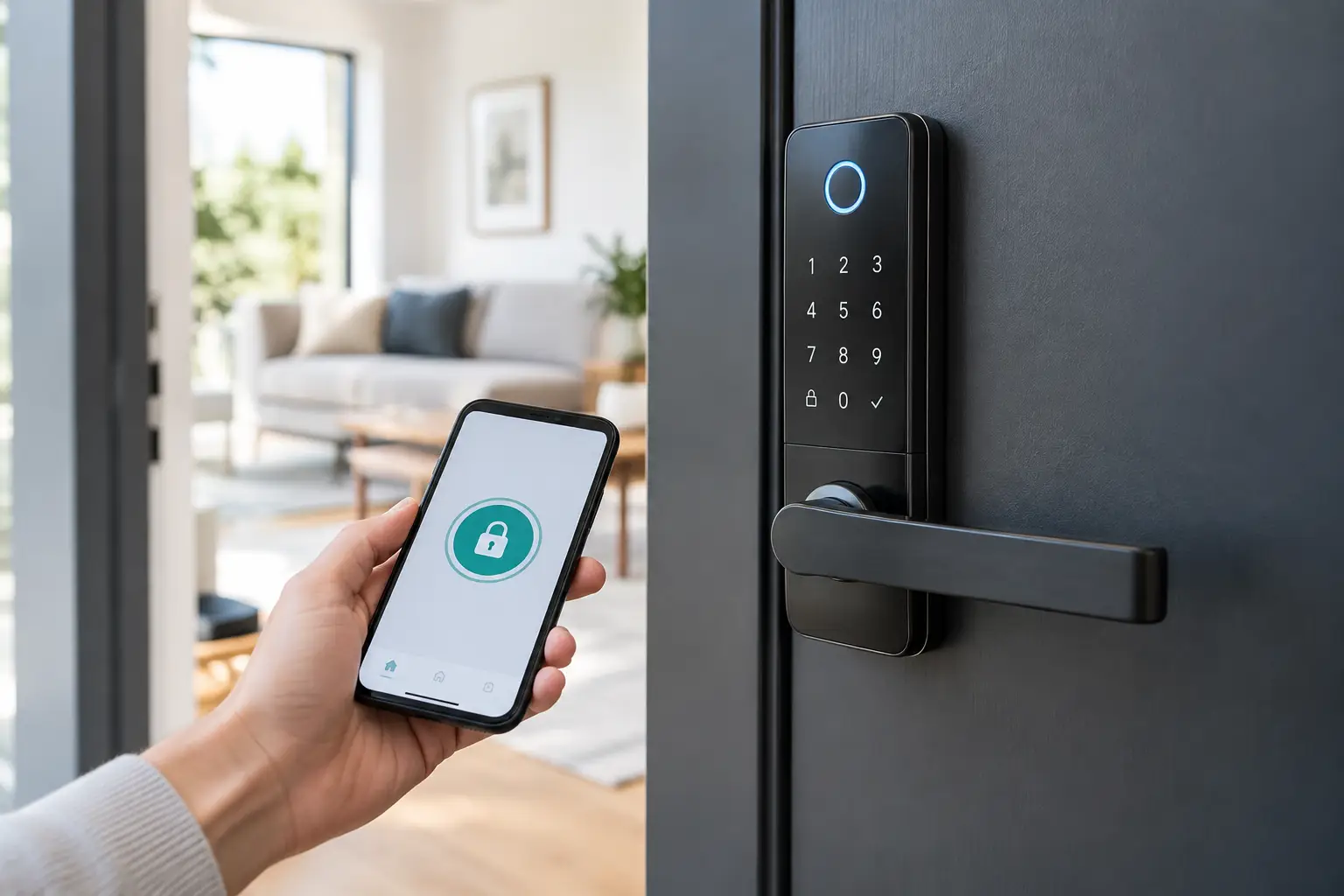
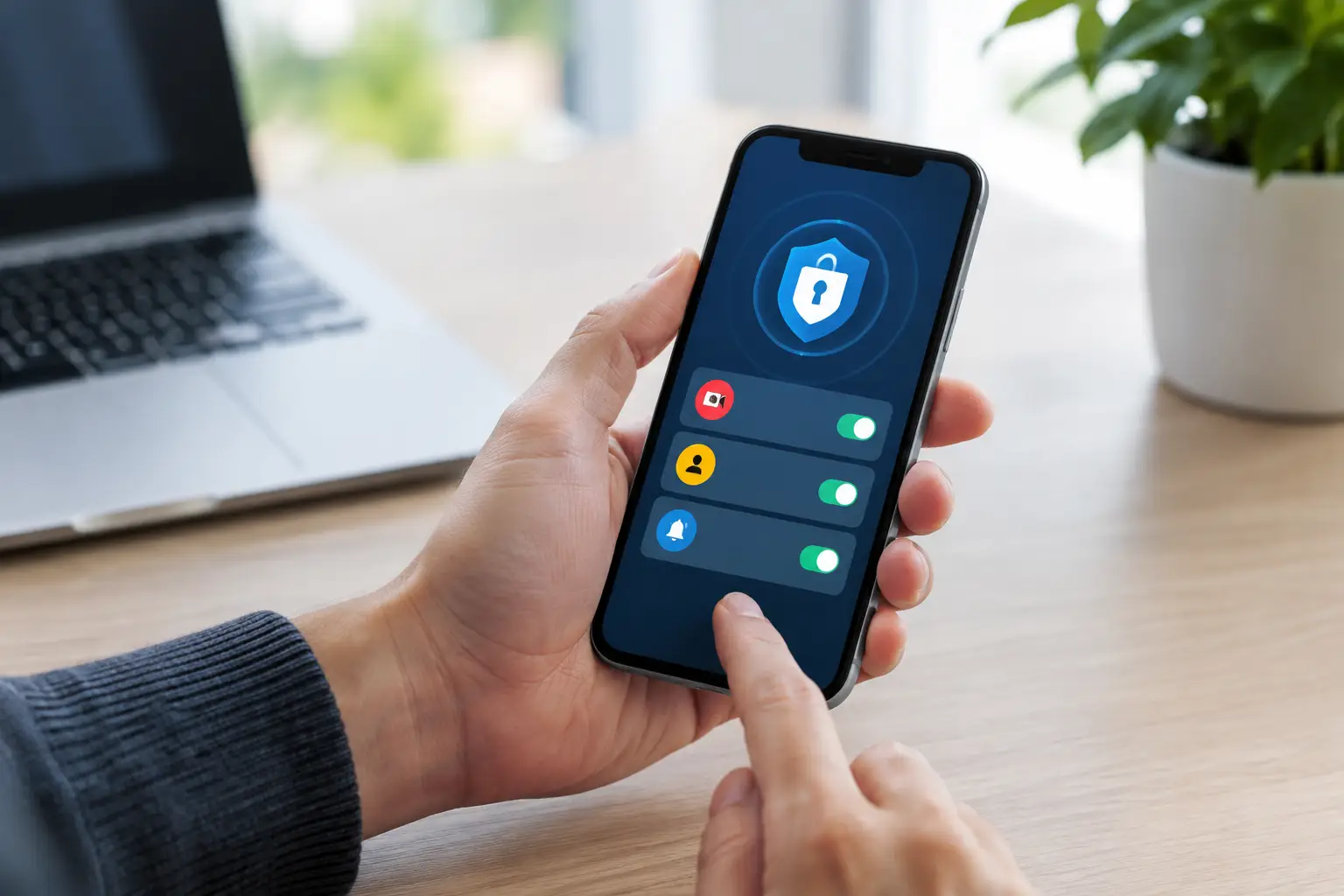
Integration should support your operations, not overwhelm them. The best system is one your team can use confidently. Mobile access can make it easier to review alerts, manage authorized users, check cameras, and stay informed while away from the property. At the same time, professional monitoring remains available for the urgent events that should not rely on a single phone notification.
Video Can Add Valuable Context
Video surveillance does not replace a fire alarm system or emergency response procedures. It can, however, provide useful context during and after an event. A camera view may help an owner understand whether people are present, whether a door is open, or whether emergency personnel have arrived.
For business security events, video analytics and proactive deterrence can also help address suspicious activity before it becomes a loss. This is one reason many owners prefer a customized, professionally installed solution instead of managing separate systems from multiple providers.
Questions to Ask Before Choosing a Provider
Before selecting commercial fire monitoring services, ask how alarm signals are handled, how your call list is managed, and what happens if the system reports a trouble condition. You should also understand whether the proposed system is designed for your local requirements and business use.
Ask about communication reliability and backup options. Traditional phone lines are no longer the only path for alarm communication, and different sites may benefit from cellular, internet, or dual-path options. The best choice depends on the building’s infrastructure, risk level, and the need for redundancy.
It is also wise to ask about inspection, testing, maintenance, and service expectations. Fire alarm equipment needs regular attention to remain dependable. A monitoring plan is most effective when paired with a clear service process that helps catch issues before an emergency occurs.
Finally, look for a provider that can explain the system in plain language. You should know what each device does, who receives notifications, what your employees should do in an emergency, and how to get help when your needs change. Advanced protection should feel manageable, not technical or confusing.
Build a Response Plan Around Your Business
Monitoring is a powerful safeguard, but it is not a substitute for employee training and an emergency plan. Make sure staff know evacuation routes, meeting locations, how to report a fire, and who is responsible for communicating with emergency personnel. Keep keyholder contacts current, especially after staffing changes.
Review your plan when you renovate, change your hours, add equipment, or expand into another suite. A new storage area, remodeled kitchen, or changed floor plan can alter your risks and affect where devices should be located.
Fluent Home helps business owners create professionally installed security solutions that can combine monitored fire protection with intrusion detection, video, access control, and smart management. A custom consultation can help identify the equipment and monitoring approach that fits your property instead of forcing your business into a generic package.
The right fire monitoring plan gives your business more than an alarm. It gives you a dependable line of response when every minute counts, so you can focus on serving customers and running your operation with greater peace of mind.