A lost key should not turn into a security risk, a rekeying bill, and a full day of disruption. That is exactly where a business access control system changes the conversation. Instead of relying on physical keys that are hard to track and easy to copy, business owners can decide who gets in, when they get in, and what happens if something looks wrong.
For small and mid-sized businesses, access control is not just about locking doors. It is about controlling risk without making daily operations harder. The right setup helps protect employees, inventory, offices, back rooms, and entry points while keeping access simple for the people who belong there.
What a business access control system actually does
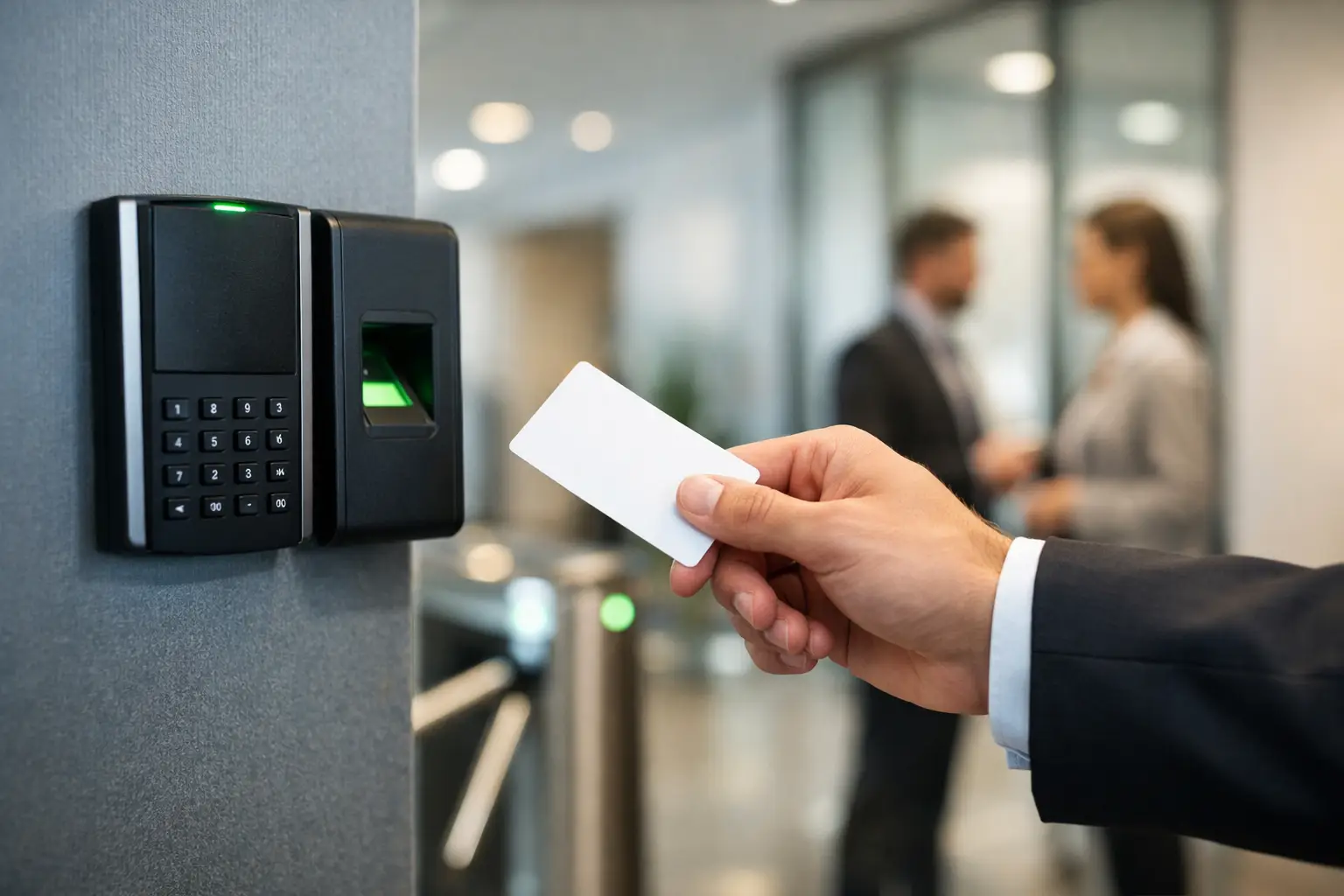
At its core, a business access control system replaces or supplements traditional keys with smarter credentials and managed permissions. That can include keycards, mobile access, PIN codes, fobs, or other approved entry methods tied to specific users.
When someone presents their credential, the system checks whether they should be allowed through that door at that time. If the answer is yes, the door unlocks. If not, the attempt is denied and logged. That record matters because it gives business owners a clear view of who entered, when they entered, and which doors were involved.
This is where access control starts to feel less like a lock and more like an operational tool. You are not just securing a front entrance. You are creating rules around your business that support both safety and accountability.
Why small businesses are moving away from traditional keys
Keys seem simple until they are not. Employees leave. Contractors need temporary access. Managers need to open early. Cleaning crews arrive after hours. At some point, a basic key system starts creating gaps.
The problem is not only that keys can be lost. It is that once a key is out in the world, control goes with it. You cannot instantly revoke a missing key. You usually have to replace locks, issue new keys, and hope the old one is never used.
A business access control system gives you a faster, cleaner response. If an employee leaves or a credential is misplaced, access can be removed without replacing hardware across the building. That saves time, reduces disruption, and gives owners more confidence that old access privileges are not lingering in the background.
There is also a convenience factor. Managers can assign schedules, limit access to certain areas, and support multiple user types without juggling copies of metal keys. For many businesses, that alone is enough to make the switch worthwhile.
Where access control delivers the most value
Not every business needs the same level of coverage. A retail store may want tighter control over stockrooms and manager offices. A medical office may need to limit access to records and staff-only areas. A warehouse may want different permissions for drivers, supervisors, and administrative staff.
That is why a good system starts with the actual flow of the business. Front doors, employee entrances, interior offices, equipment rooms, and restricted storage areas all have different risk profiles. Treating every opening the same can either leave gaps or add unnecessary cost.
The best results usually come from a customized setup. One door may need scheduled staff access. Another may need constant lockdown with audit tracking. Another may need to connect with video so entry events can be reviewed alongside camera footage.
Business access control system features that matter most
Some features sound impressive in a product sheet but do not change much in day-to-day use. Others make a real difference the first week they are installed.
Remote management is one of the most practical. If an owner or manager can add users, remove users, check door activity, or lock and unlock approved entry points without being on site, the system becomes far more useful. That matters for multi-location operators, early openings, employee turnover, and after-hours issues.
User-specific permissions are just as important. Not everyone should have the same level of access. A manager may need entry to all major areas, while a part-time employee may only need access to a front door during scheduled hours. That kind of control keeps operations tighter without creating unnecessary friction.
Activity logs also deserve more attention than they usually get. When there is a question about who opened a door, whether a door was accessed after hours, or when staff arrived, accurate records help remove guesswork.
Integration is another major factor. Access control becomes more valuable when it works alongside video surveillance, intrusion detection, alarms, and mobile control. If a forced door event occurs, seeing the clip, receiving the alert, and responding quickly is far better than learning about it after the fact.
The role of professional installation
A business access control system is only as dependable as its design and installation. That is one reason many business owners prefer a professionally installed solution over a pieced-together setup. Doors, wiring, connectivity, credential types, user permissions, and software settings all affect how well the system performs.
A poor fit can create daily frustration. Doors may not respond consistently. Permissions may be too broad or too restrictive. Staff may work around the system instead of using it properly. Those are not minor issues. If a security tool becomes inconvenient, people stop trusting it.
Professional installation helps avoid that. It starts with evaluating the building layout, identifying vulnerable entry points, and matching the hardware to the actual use case. A main glass storefront door may need something different than a rear metal service door. An office with frequent staff turnover may need different credential management than a small owner-operated location.
That kind of planning leads to a system that feels easier, not more complicated.
Access control works better when it is part of a larger security plan
Door control is powerful, but it is not meant to do every job by itself. Businesses are safer when access control works as part of a connected security strategy.
For example, if someone tries to enter a restricted area after hours, the ideal response is not just a denied access event in a log. It may also include a video clip, an alert to the owner, and monitoring support if the situation escalates. If a door is propped open, that should not stay invisible until the next morning.
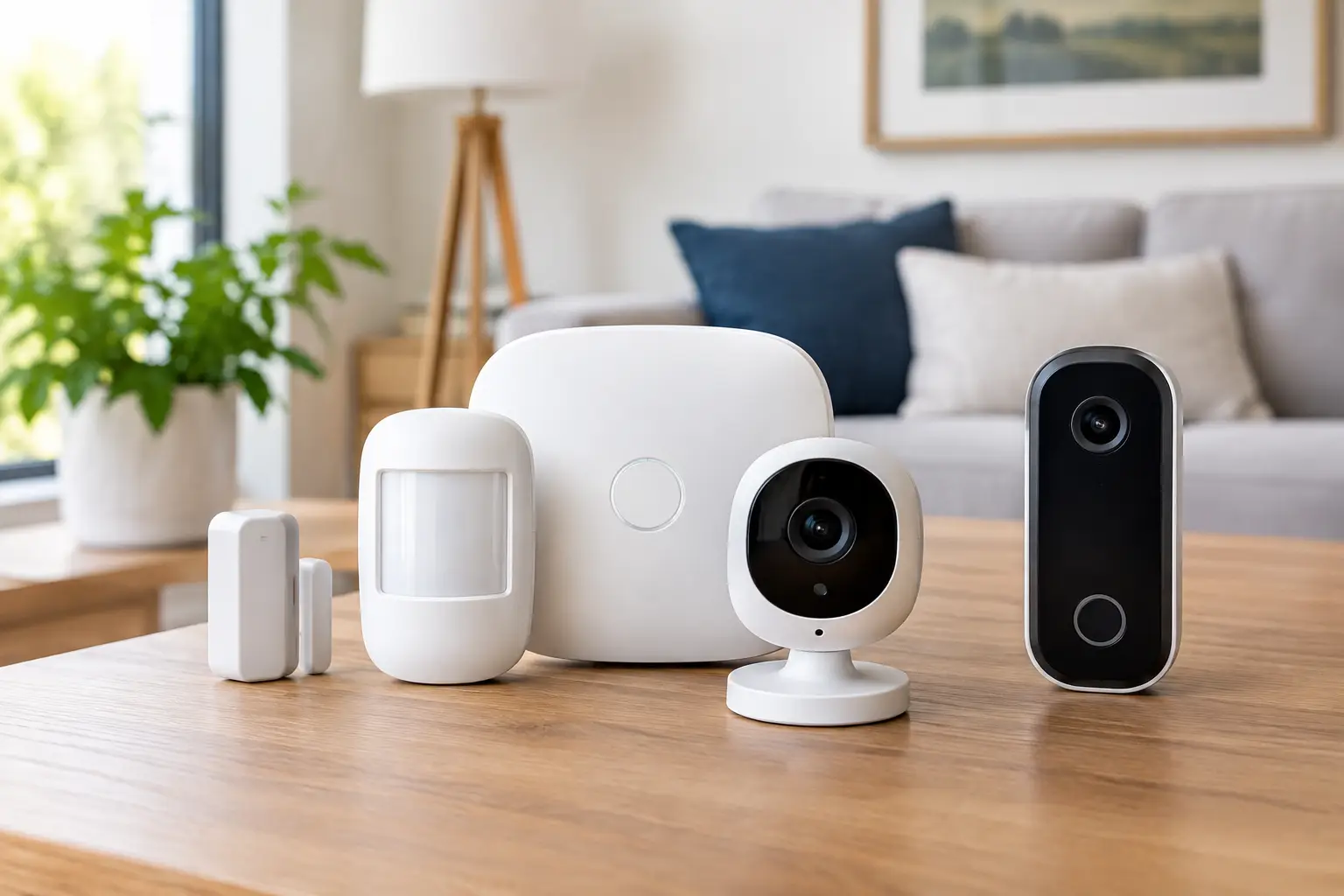
This is where integrated security makes a real difference. Video cameras add visual context. Intrusion detection covers break-ins and forced entry. Smart alerts help owners respond faster. Professional monitoring adds another layer when no one is on site.
Fluent Home approaches this as a connected system rather than a standalone device. That matters because businesses do not experience security problems in isolated categories. A door event, a camera event, and an alarm event often belong to the same incident.
What to consider before choosing a system
The right system depends on how your business operates. A single-entry office with a small staff has different needs than a retail space with seasonal workers or a service business with multiple access levels.
Start with the doors that matter most. Then think about who needs access, when they need it, and how often those permissions change. If turnover is common, simple credential management becomes more valuable. If after-hours access is frequent, remote control and event notifications matter more. If sensitive inventory or records are involved, audit trails and restricted interior access should move higher on the list.
Budget matters too, but the cheapest setup is not always the most cost-effective. If a low-end system lacks flexibility, breaks trust with staff, or cannot grow with the business, it often creates more expense later. A better question is whether the system solves the real problem without adding complexity.
It also helps to think ahead. If you may want cameras, smart alerts, monitoring, or additional protected doors in the future, choose a platform that can expand with you. Replacing a system too soon is rarely a good use of time or money.
The real benefit is control without added stress
Most business owners are not looking for more technology to manage. They are looking for fewer blind spots, fewer security headaches, and more confidence that the right people can access the right spaces at the right times.
That is why a business access control system earns its value so quickly when it is set up well. It reduces key-related risk, improves visibility, supports daily operations, and gives owners more control whether they are on site or away.
If your doors are still relying on copied keys, inconsistent routines, or manual workarounds, that is usually a sign the system behind them has not kept up with the business. A smarter setup does more than secure an entry point. It helps the entire business run with greater confidence every day.