A fire or carbon monoxide emergency does not wait for a convenient moment. It can start while your family is asleep, while you are away for the weekend, or while a tenant or employee is alone on the property. The best smoke carbon monoxide detectors do more than make noise – they help you receive clear alerts quickly, identify the risk, and take action before a dangerous situation becomes worse.
For homeowners and small business owners, the right device is rarely just the cheapest alarm on the shelf. It should fit the building, communicate reliably, and work as part of a larger safety plan. That is where professionally installed, connected detection can make a meaningful difference.
What Makes the Best Smoke Carbon Monoxide Detectors Different?
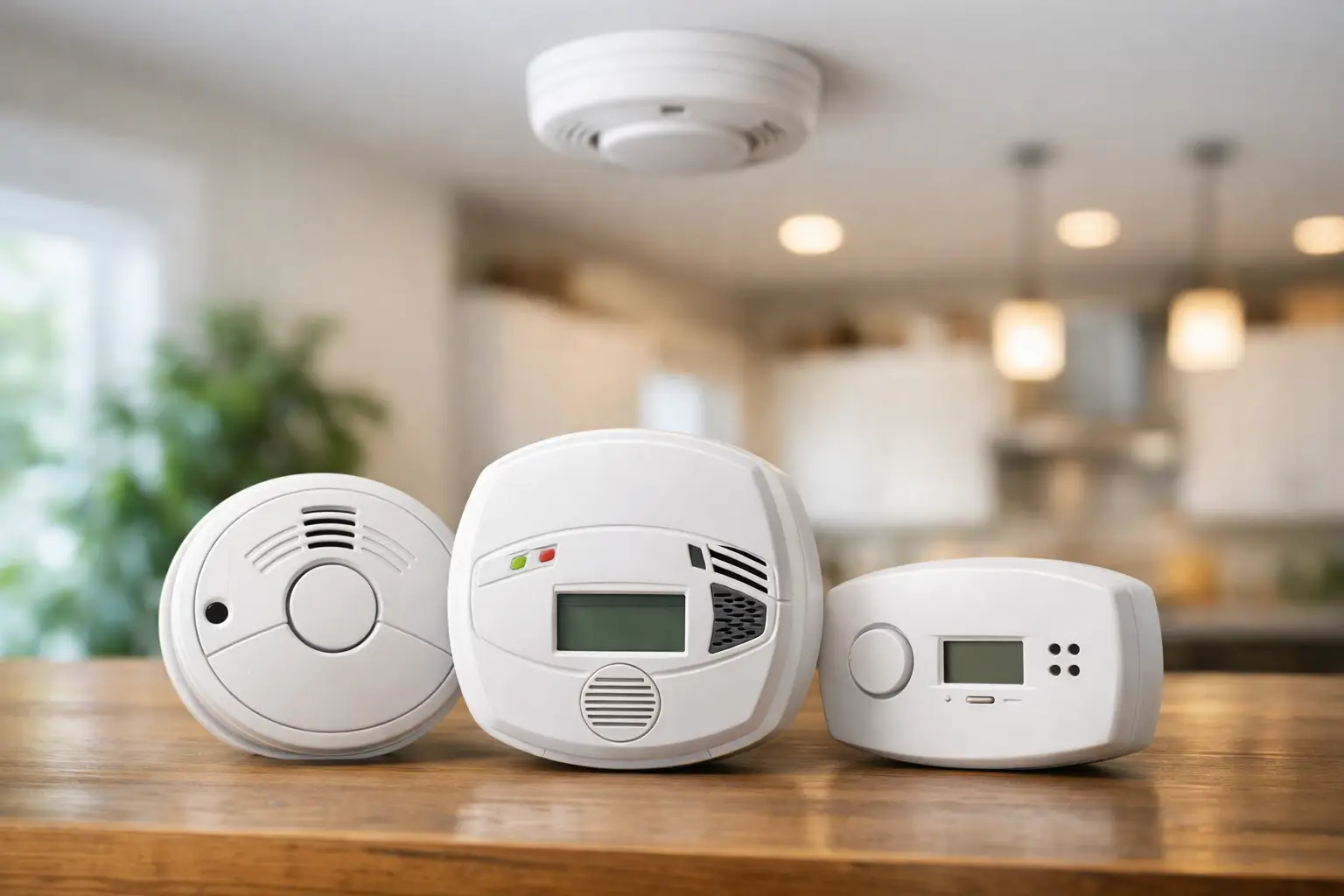
Smoke and carbon monoxide are two different threats, which means they need thoughtful detection. Smoke alarms are designed to identify signs of fire, while carbon monoxide alarms detect an odorless, colorless gas produced when fuel-burning equipment does not vent or operate correctly. A combination detector can cover both risks in one device, but its value depends on where it is installed and how it communicates an alarm.
The strongest options share a few practical traits: dependable sensing technology, audible local alarms, battery backup or long-life power support, and clear notification capabilities. Connected models can also send alerts to your phone and communicate with a monitored security system. When you are out of the house, that extra layer can be the difference between learning about an alarm immediately and finding out after the damage is done.
Professional monitoring adds another advantage. If a connected smoke or carbon monoxide detector triggers, a monitoring team can follow the established emergency response process even if you cannot answer your phone. It does not replace safe evacuation or emergency services, but it helps ensure an alarm is not left unnoticed.
Choose Detection Technology for the Risks in Your Space
Not every detector is built the same way. Understanding the basic types helps you make a smarter decision without getting buried in technical details.
Photoelectric smoke detection
Photoelectric alarms are generally designed to respond well to smoldering fires, such as a fire that begins in upholstered furniture, bedding, or electrical wiring and produces a great deal of smoke before open flames appear. They are a strong choice near bedrooms, hallways, and living areas where slow-burning fires are a concern.
Ionization smoke detection
Ionization alarms are traditionally more responsive to fast-flaming fires. Because cooking activity and normal household conditions can sometimes cause nuisance alarms, placement matters. A detector that gets frequent false alarms may be ignored, disabled, or removed – exactly what you do not want during a real emergency.
Dual-sensor smoke detection
Dual-sensor units combine smoke detection approaches in one device. They can offer broader coverage, though they may cost more and still need the right placement. If you want one device type that addresses different fire behaviors, this can be a sensible option.
Carbon monoxide detection
Carbon monoxide detection is essential in homes with gas furnaces, fireplaces, water heaters, gas ranges, attached garages, or other fuel-burning appliances. Even all-electric homes may need protection if they have an attached garage, backup generator, or other potential source nearby. The detector should be placed according to manufacturer instructions and local requirements, especially near sleeping areas.
Smart Features That Improve Emergency Response
A traditional alarm can alert people who are inside the building. A smart smoke and carbon monoxide detector can extend that awareness beyond the property. For busy families, second-home owners, landlords, and business operators, this matters.
Mobile alerts can tell you when a device detects smoke, carbon monoxide, low battery power, tampering, or a communication issue. Instead of hearing a chirp and searching room to room, you can receive a notification that identifies the affected device or area. That can reduce confusion during a stressful moment.
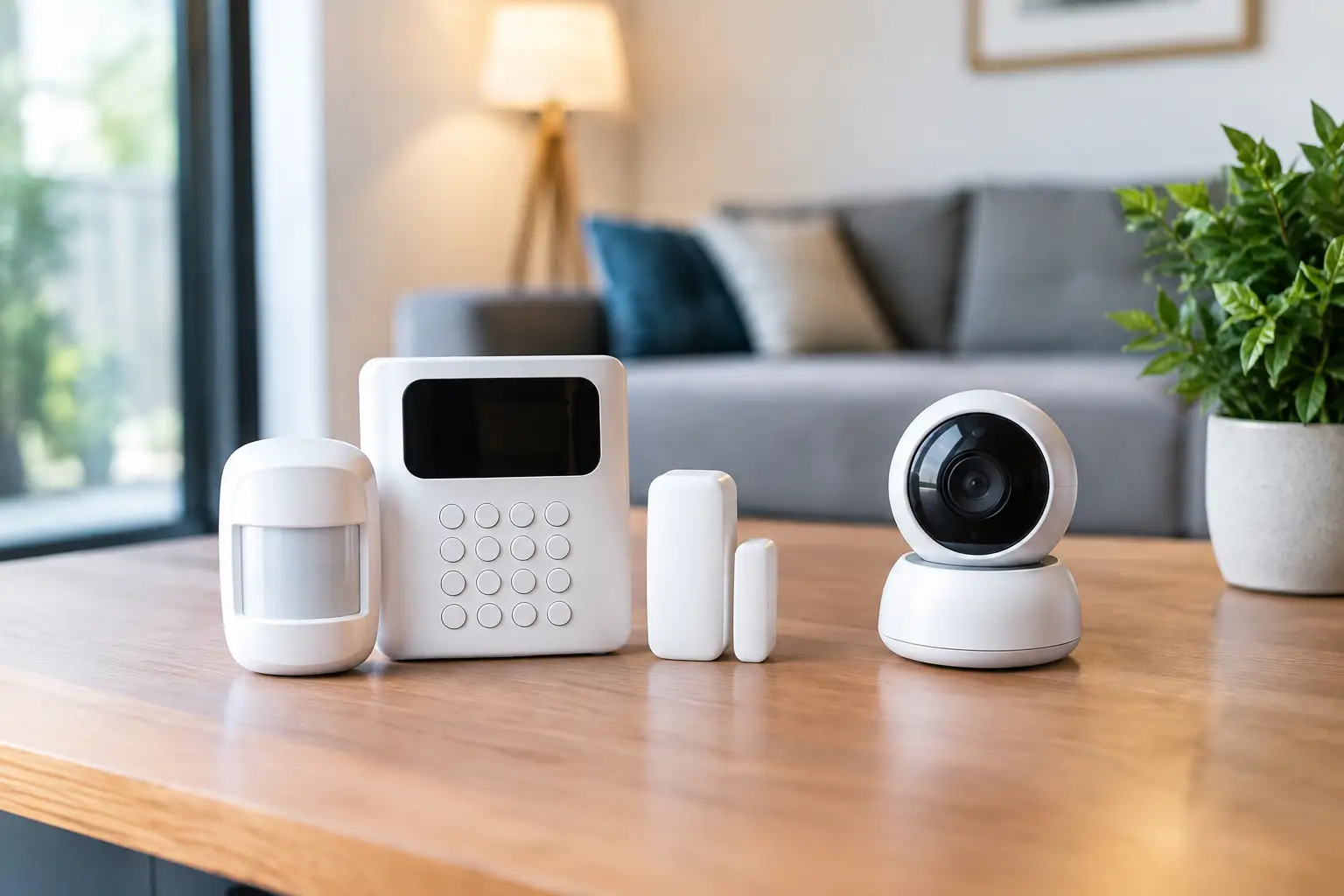
The best connected detectors also work within a unified system. When environmental safety devices, security sensors, cameras, and smart controls are managed through one app, you do not have to juggle separate accounts and notifications. You can check system status remotely, make sure alerts are reaching the right contacts, and keep a closer eye on a home or business location.
There is a trade-off. Smart features depend on proper setup, a reliable communications path, and ongoing system maintenance. That is why professional installation is valuable. An expert can help place devices appropriately, connect them to the control panel, test communication, and show you exactly how alerts work before an emergency occurs.
Where to Install Smoke and Carbon Monoxide Detectors
The best detector cannot protect an area it cannot effectively monitor. Placement is just as important as product selection.
Smoke alarms are commonly installed inside every sleeping room, outside separate sleeping areas, and on every level of the home, including the basement. Larger homes, multi-story properties, and homes with closed bedroom doors may need additional devices. Kitchens, garages, and areas near steamy bathrooms need extra consideration to reduce false alarms while maintaining protection.
Carbon monoxide detectors are commonly placed outside sleeping areas and on each level of the home. They should also be considered near attached garages and fuel-burning appliances, following manufacturer directions. Avoid treating placement as a one-size-fits-all job. Ceiling height, room layout, HVAC equipment, fireplaces, and local code requirements can all affect the right design.
For small businesses, evaluate more than the front office. Break rooms, storage areas, utility rooms, back entrances, and overnight workspaces may require coverage. A professional walkthrough can identify gaps that are easy to miss when you are focused on daily operations.
Combination Detectors vs. Separate Devices
Combination smoke and carbon monoxide detectors are convenient. They reduce the number of devices on the wall or ceiling, simplify installation, and can be ideal for many hallways, bedrooms, and common areas. They are especially useful when you want connected safety coverage without adding unnecessary complexity.
Separate detectors may make more sense in certain layouts. For example, a location may need carbon monoxide coverage but have a different smoke-detection need based on room use or fire risk. Separate devices can also provide more flexibility when replacing aging equipment over time.
The right answer depends on the property. A consultation should consider the building’s fuel sources, number of floors, sleeping areas, existing alarm locations, and whether you want professional monitoring. Convenience matters, but coverage matters more.
Do Not Overlook Power, Testing, and Replacement
Even the best smoke carbon monoxide detectors need routine attention. Test alarms regularly using the test function, respond promptly to low-battery or system-trouble alerts, and keep devices free of dust, paint, and obstructions. Never assume a quiet detector is a working detector.
Most alarms also have a limited service life. Sensor performance changes over time, and the replacement date is usually marked on the device or listed in its documentation. If your alarms are old, mismatched, disconnected, or frequently chirping, it is time to evaluate the system rather than replace batteries and hope for the best.
Connected, professionally monitored devices can make maintenance easier by reporting low batteries, tamper events, and communication issues. Still, technology works best when people act on those notices. Make sure everyone in the household or business knows what the alarms sound like, where to exit, where to meet, and who is responsible for checking the system.
Build Fire and Carbon Monoxide Protection Into One Smart System
Fire and carbon monoxide safety should not be an afterthought added to a basic security package. It is a core part of protecting the people, property, and routines that matter most. Fluent Home can help design a professionally installed system that brings smoke and carbon monoxide detection together with intrusion protection, video security, mobile control, and 24/7 professional monitoring.
The goal is straightforward: clear alerts, reliable response, and less uncertainty when every second counts. A custom safety assessment can help you choose coverage that fits your property instead of relying on a guess at the hardware store.