When your kids are home before you, a package lands on the porch, and the dog walker is coming through the side door, security stops being a single device on the wall. The best alarm systems for families are built for real routines – school pickups, late workdays, vacations, and the small risks that add up when a home is busy.
For most households, the right system does two jobs at once. It helps protect against break-ins, fire, carbon monoxide, and water damage, and it also makes daily life easier. That means fewer apps, fewer blind spots, and fewer moments where you are wondering whether the garage was left open or the front door was locked.
What makes the best alarm systems for families?
Families usually need more than a basic burglar alarm. A good system starts with intrusion protection, but it should also cover the risks that matter inside the home. Smoke detection, carbon monoxide alerts, flood sensors, and cameras that help verify activity all matter because family safety is rarely about one threat.
Professional monitoring is a major differentiator. If an alarm goes off while you are at work, asleep, or traveling, a monitored system helps ensure the alert does not just sit on your phone waiting to be noticed. For parents, that added response layer can be the difference between getting a notification and getting actual help.
Ease of use also matters more than people expect. If arming the system is confusing, family members will stop using it consistently. The best setups make it simple to arm away mode, disarm from a phone, check cameras, lock doors, and confirm that everything is secure before bed.
The features that matter most in a family home
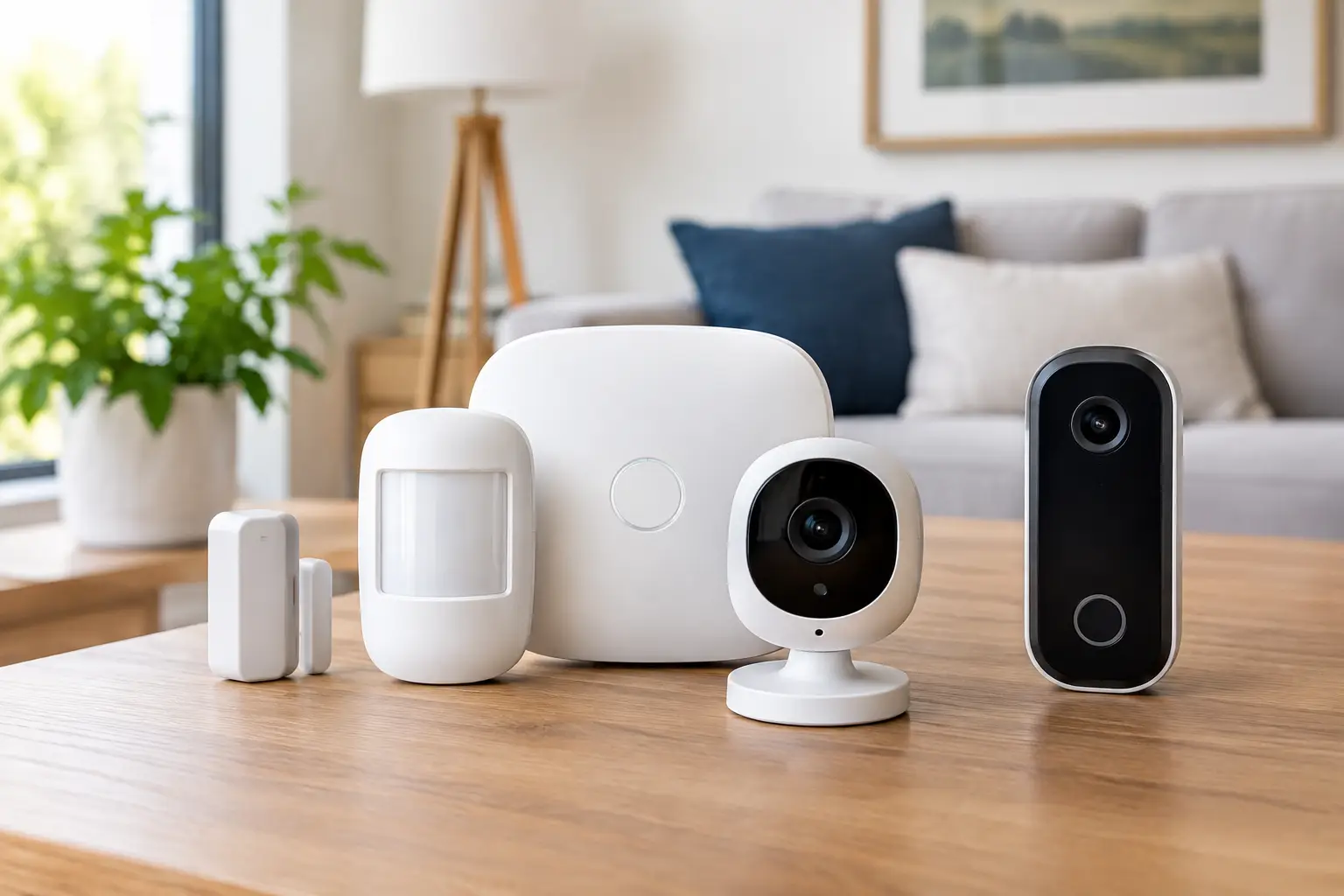
A family-focused alarm system should start with a smart control panel, door and window sensors, motion detection, and mobile access. That is the baseline. From there, the strongest systems expand protection around how your household actually lives.
Video doorbells and outdoor cameras are especially useful for families because they help with more than crime. You can see when kids get home, verify deliveries, and check unexpected activity around the driveway or porch. If the system includes AI-based detection and deterrence features, that adds another layer of protection by helping identify what is happening and discouraging suspicious behavior before it escalates.
Smart locks are another feature worth serious attention. In a family setting, they are convenient because you can create codes for older kids, relatives, house cleaners, or pet sitters without handing out spare keys. They are also practical because you can confirm whether the door was locked after everyone rushed out in the morning.
Environmental protection deserves equal weight. A lot of homeowners shop for alarms because they are thinking about burglary, but water damage, fire, and carbon monoxide can be just as disruptive and dangerous. Flood sensors near water heaters, laundry rooms, or under sinks can catch a problem early. Smoke and CO detection connected to the same monitoring platform gives families broader protection without adding complexity.
DIY vs. professionally installed systems
This is where the decision often gets clearer.
DIY systems appeal to budget-conscious buyers and renters because they can be easier to purchase upfront. If you are comfortable placing sensors, troubleshooting Wi-Fi issues, and deciding where cameras should go, a DIY system may feel manageable. But family homes are not always simple layouts. Multiple entry points, detached garages, second stories, pets, and high-traffic common areas can make setup more complicated than it first appears.
Professionally installed systems are usually the better fit for families who want complete coverage and less guesswork. A custom design helps ensure cameras are placed where they are actually useful, sensors match the home layout, and automation works the way it should. It also reduces the chance of weak spots caused by poor placement or missed devices.
The other advantage is support. If something goes wrong, or if your needs change after a remodel or move, having a security partner matters. For busy households, that convenience is often worth more than the initial savings of a self-installed kit.
Should families choose monitored alarm systems?
In most cases, yes.
Self-monitoring can work for some homeowners, especially if someone is almost always home and comfortable managing every alert. The trade-off is response consistency. Phones get silenced. Notifications get missed. People assume someone else in the house checked it.
Professional monitoring adds reliability. If an intrusion alarm, smoke detector, or carbon monoxide alert is triggered, trained responders can take action even if you are in a meeting, on a flight, or asleep upstairs. For parents with children at home, that extra backup is not a luxury feature. It is often the core reason to invest in a system at all.
Some providers now go further with video verification and proactive deterrence. That matters because not every alert is equal. When monitoring is paired with camera intelligence, response can be faster and more informed. Instead of reacting after the fact, the system can help identify real threats sooner.
How to compare the best alarm systems for families
The strongest option is rarely the cheapest package on paper. It is the system that matches your home, your schedule, and the way your family moves through the day.
Start by looking at coverage. A small home with one main entry and no backyard access needs a different setup than a two-story house with a garage, basement, side gate, and patio doors. Then consider who needs access. Children, caregivers, dog walkers, cleaning services, and visiting relatives all affect which smart locks, user codes, and app permissions make sense.
Next, look at how unified the system really is. Some platforms offer security, cameras, locks, lights, thermostats, and garage control in one app. Others patch these functions together across separate products. A single, integrated system is typically easier to use consistently, which matters in family homes where simplicity keeps security from becoming another chore.
Finally, compare monitoring quality, not just monitoring availability. A provider that offers 24/7 professional monitoring, camera support, and advanced verification gives you a stronger safety net than a basic call-center response model.
The most practical setup for a typical family
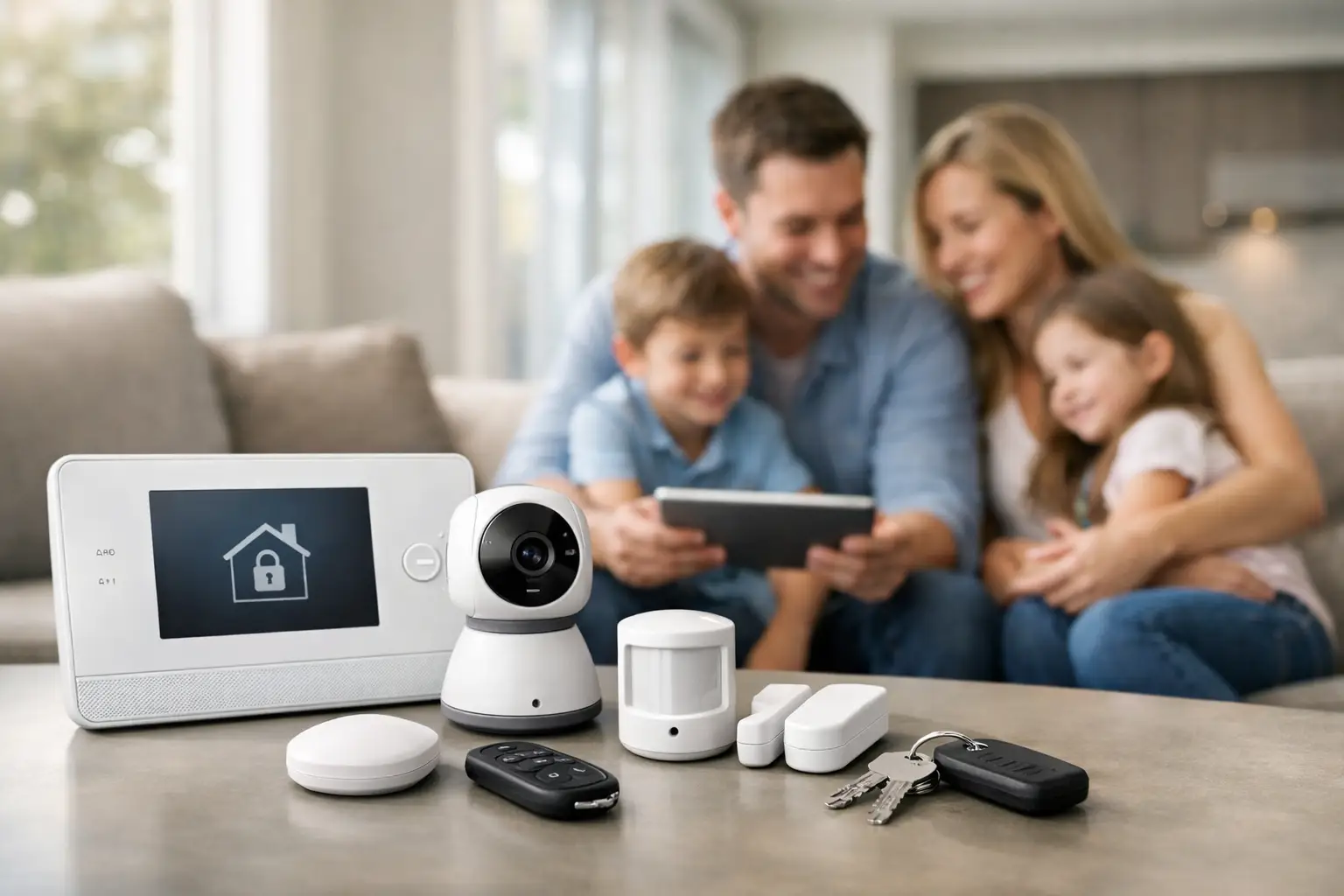
For many homeowners, the ideal setup includes a professionally installed alarm panel, entry sensors on all main doors, motion detection in common areas, indoor and outdoor cameras, a video doorbell, smart locks, smoke and carbon monoxide detection, and at least one flood sensor. Add garage door control if that is a common entry point, and the system becomes much more useful day to day.
This kind of setup works because it balances prevention with convenience. You can check whether the kids made it home, see who rang the bell, lock up remotely, get alerted to smoke or water issues, and know someone is monitoring emergencies around the clock.
That is also where a provider like Fluent Home fits naturally for many families. The value is not just the equipment. It is the custom system design, professional installation, smart automation, and continuous monitoring that make the technology easier to trust and easier to live with.
Common mistakes families make when choosing a system
One of the biggest mistakes is buying only for break-in protection. A system that ignores fire, CO, and flood risks leaves major gaps in home safety. Another is underestimating camera placement. One camera at the front door is helpful, but it does not cover a backyard gate, driveway, or side entrance where activity often happens out of view.
Families also tend to overvalue startup price and undervalue long-term usability. A lower-cost system that causes false alarms, misses alerts, or requires constant troubleshooting can become expensive in a different way. If your security system is frustrating, people stop using it properly.
The last mistake is treating every home the same. The best system for a retired couple in a condo is not automatically the best fit for a family with teenagers, pets, and frequent visitors. Good protection is personal. It should reflect the layout of the house and the rhythm of the people in it.
What to prioritize before you buy
Before choosing a system, think through your actual concerns. Do you want to know when the kids get home? Are package theft and porch traffic a problem? Do you travel often? Is water damage a risk in the basement or laundry room? These questions usually reveal the right priorities faster than comparing brand names alone.
Then think about who will manage the system. If you want something easy, dependable, and fully supported, professional installation and monitoring are usually the right call. If you want to piece together devices and manage every setting yourself, a DIY route may be enough. It depends on your tolerance for setup, maintenance, and risk.
The right family alarm system should feel like it is working quietly in the background while giving you control when you need it. That is what peace of mind looks like in a real home – not more gadgets, but smarter protection that fits the way your family lives.