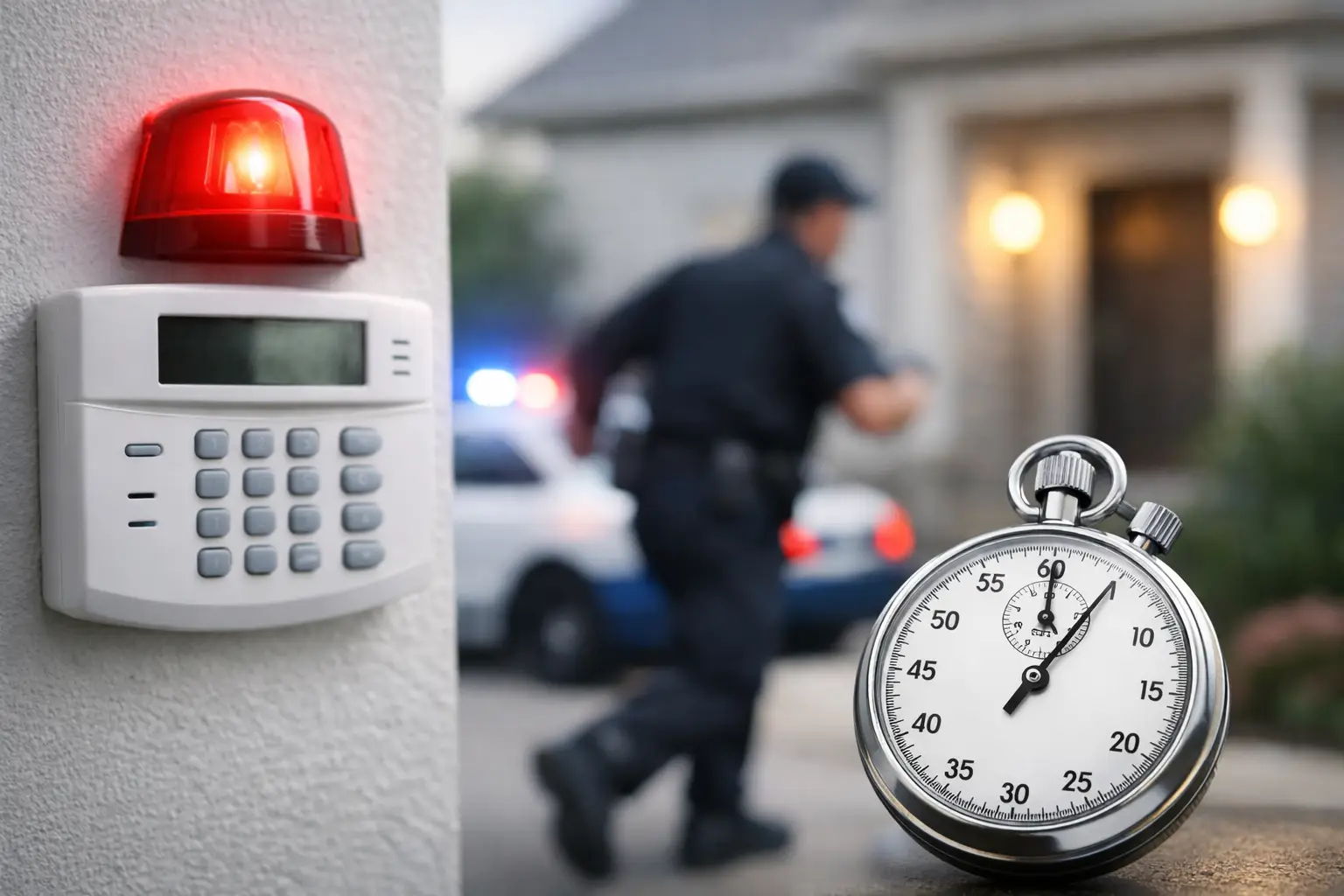
A security alarm can sound in seconds. Getting the right help moving takes a little longer, and the difference matters when you are choosing protection for your home or business. Alarm response time explained starts with one key fact: there is no single stopwatch for every event. The time from an alarm trigger to a monitoring action, emergency dispatch, and first responder arrival involves separate steps.
A professionally monitored system is designed to make those early steps fast, clear, and dependable. It can identify an alarm signal, notify the monitoring center, follow your emergency plan, and request help when appropriate. What happens after that depends on the type of alarm, the information available, your location, and local emergency response conditions.
What alarm response time really means
People often use “response time” to mean police or fire department arrival. That is understandable, but it combines several different parts of the process. A more useful way to evaluate a security system is to ask how quickly it can send an alert, how quickly trained professionals can assess it, and how much useful information they have when deciding what to do next.
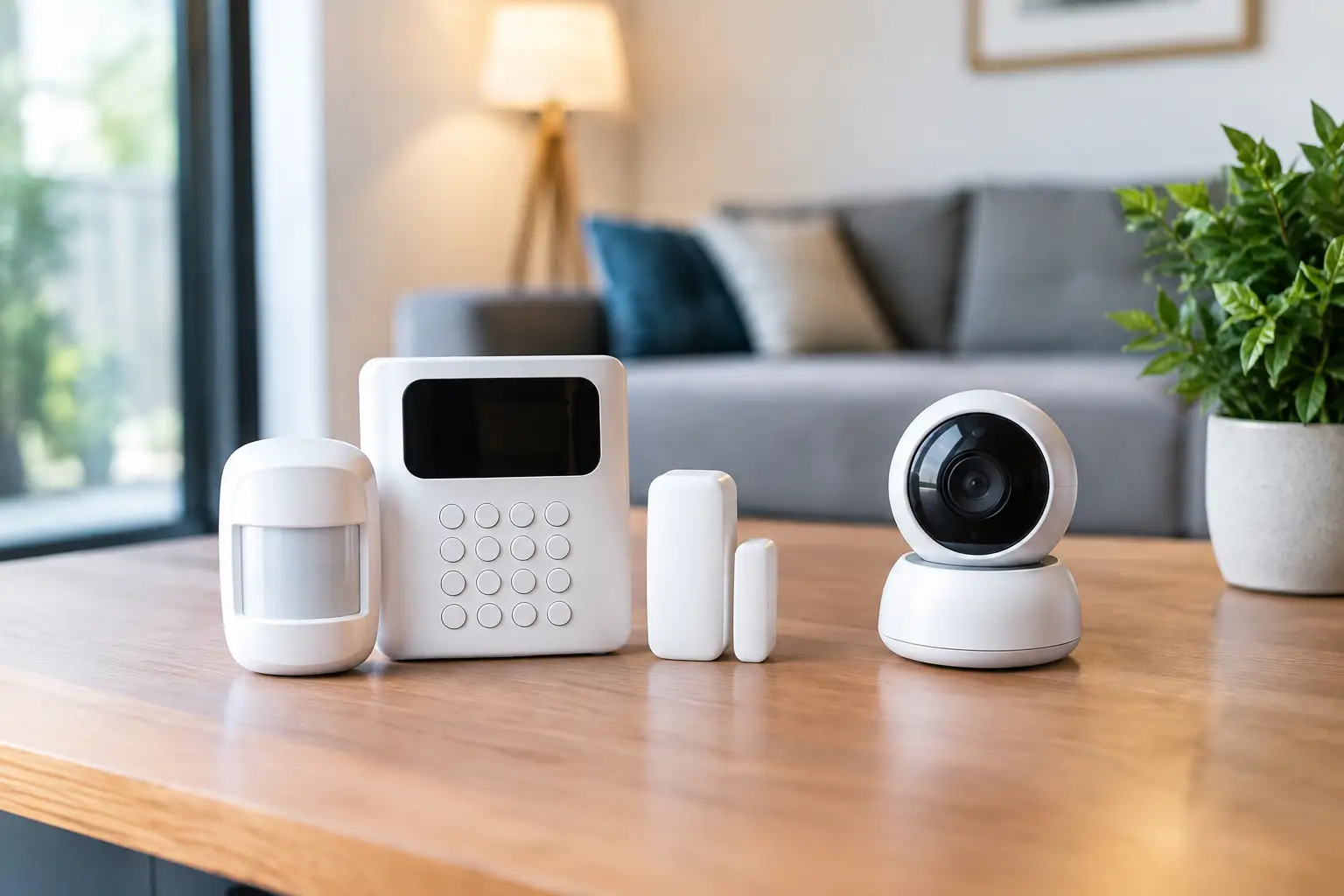
The first clock starts when a sensor detects activity. A door contact may register an opening, a motion detector may detect movement, or a smoke, carbon monoxide, or flood device may sense a dangerous condition. The control panel sends that event through its available communication path to the monitoring center.
The second clock is monitoring center handling. Operators receive the signal, review the alarm type and account information, and follow the response instructions set for that property. Depending on the event and plan, this can include calling the premises, contacting designated emergency contacts, requesting emergency dispatch, or reviewing available video information.
The third clock is emergency dispatch. Once police, fire, or medical assistance is requested, the public safety agency prioritizes the call. Finally, the fourth clock is responder travel and arrival. Traffic, weather, staffing, simultaneous emergencies, and distance all affect that final stage. A security provider cannot promise an exact police or fire arrival time, but a well-designed monitored system helps make sure an urgent event reaches the right people without relying on you to notice a phone alert.
What happens after an alarm is triggered?
The right sequence depends on whether the event is intrusion-related, environmental, or a medical emergency. For a typical intrusion alarm, a protected door, window, glass-break detector, or motion sensor triggers the panel. A local siren may sound to alert occupants and discourage an intruder, while the panel sends a signal to the monitoring center.
Monitoring professionals then follow the emergency response instructions tied to your account. If the alarm is canceled with the correct code, the event may be closed. If no one answers, the situation cannot be verified, or there are signs of an active threat, the operator can escalate according to the plan.
For smoke and carbon monoxide alarms, speed is especially critical. These events follow protocols built around life safety, and responders may be requested while notification calls are underway. A flood sensor creates a different response path: the system can notify you quickly so you can act, and connected water controls may help limit damage by shutting off the water supply when configured for that purpose.
For small businesses, the process can also include a call list for managers, keyholders, or designated staff. That gives owners a defined plan for after-hours activity without expecting them to monitor every notification around the clock.
Why video verification can change the response
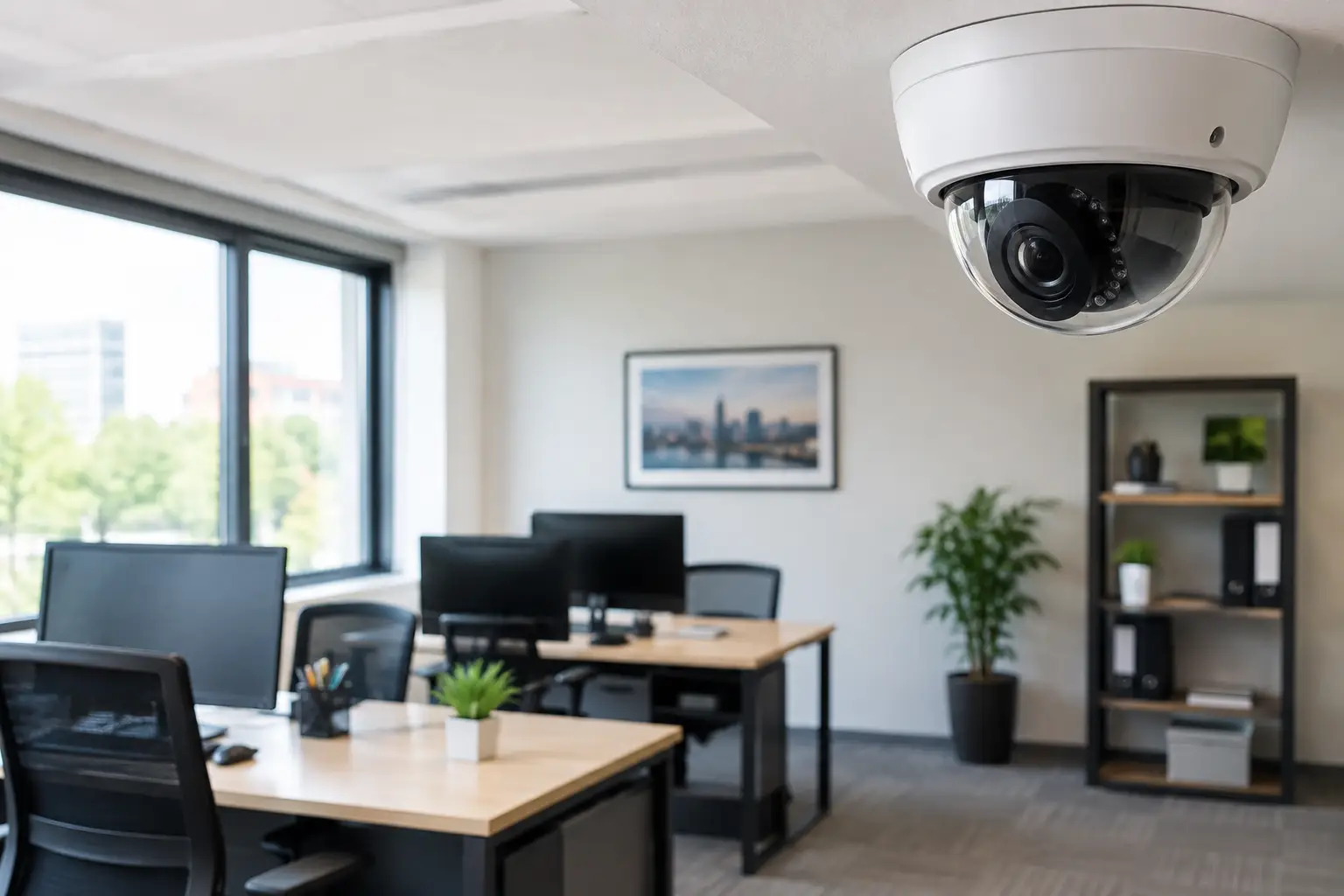
An intrusion signal tells the monitoring center that a protected device was activated. Video can add context. A camera view may help determine whether a person is approaching a protected entry, whether activity appears suspicious, or whether there is an obvious non-emergency explanation.
That context matters because false alarms create disruption for homeowners, business owners, and local first responders. It also helps monitoring teams communicate more clearly when a real threat is visible. With 24/7 video verification and AI-enhanced deterrence, a security professional can assess activity in real time and use audible warnings or other deterrence features when the situation calls for them.
Video is not a replacement for an alarm system or law enforcement. Cameras have viewing limitations, and not every event can be confirmed visually. Still, combining video analytics, intrusion detection, and professional monitoring gives your protection plan more information than a siren alone.
Factors that affect alarm response time
The monitoring center’s ability to receive and act on a signal is only one part of the equation. These practical factors can influence the overall timeline:
- Communication reliability: A professionally installed system should have dependable communication options so it can report events even if a primary connection is disrupted.
- Accurate account details: Current phone numbers, emergency contacts, passcodes, and site instructions help monitoring professionals move without avoidable delays.
- Your location: Properties in rural areas may have longer responder travel times than properties near a station or emergency services hub.
- Local call volume: Police and fire departments must prioritize life-threatening and active emergencies. Severe weather, major incidents, and staffing conditions can affect arrival times.
- Alarm type and available evidence: A verified threat, a fire signal, or a carbon monoxide event may be handled differently from an unverified intrusion signal.
This is why advertised response times should be viewed carefully. A provider may be able to describe how its monitoring process works, but no security company can control every part of public emergency response. The better question is whether your system is equipped to deliver a clear signal quickly and support a decisive next step.
How to help your system respond without delays
A thoughtful setup before an emergency is one of the most practical ways to protect response time. Start with professional installation. Device placement affects whether doors, windows, rooms, and high-value areas are protected as intended. It also reduces the risk of nuisance alerts caused by poorly positioned motion sensors or improperly installed equipment.
Keep your emergency contact list current. If you change phone numbers, add a business manager, move into a new property, or update your household, update the account. Make sure everyone who is authorized to disarm the system knows the correct procedure and passcode. This is especially useful for families with teens, pet sitters, cleaners, or visiting relatives.
Use your mobile app as part of your daily routine, not only after an alarm. Check that doors are secured, review camera notifications, and arm the system consistently. Smart locks, garage controls, and automation can reduce common security gaps, such as an unlocked side door or an open garage after everyone has left.
For business owners, create a simple opening and closing process. Decide who receives after-hours notifications, who can cancel a false alarm, and who is responsible for meeting responders if needed. A few clear instructions can prevent confusion when every minute feels longer.
Choosing protection built for real-world emergencies
The goal is not to chase a single number. It is to build a security plan that detects threats early, communicates reliably, and gives trained professionals useful information when an event occurs. That may mean pairing intrusion sensors with cameras, adding monitored smoke and carbon monoxide detection, or protecting a finished basement with flood sensors and automated water shutoff.
Fluent Home designs professionally installed systems around the way each property is actually used. A custom approach helps ensure that the devices, monitoring options, video coverage, and smart controls work together instead of leaving you with disconnected alerts and unanswered questions.
When you request a custom security quote, ask how alarm signals are handled, what your monitoring plan includes, and how video verification can support your response plan. The most reassuring system is the one that is ready before the unexpected happens.