A motion alert at 2:13 a.m. can mean almost anything – a raccoon near the trash, headlights sweeping across the driveway, or someone actually testing a side gate. The problem with standard alarms is that they often treat all of those moments the same. You get a push notification, maybe a siren, and then you are left guessing. That gap between detection and certainty is where 24 7 video verification security makes a real difference.
Instead of relying on a basic sensor event alone, video verification adds eyes to the alert. When motion, intrusion, or suspicious activity is detected, video footage helps confirm what is happening in real time. That gives monitoring professionals more context, helps reduce false alarms, and supports a faster, more informed response when a real threat is unfolding.
For homeowners, that means fewer moments spent wondering whether an alert matters. For small business owners, it means better visibility into after-hours activity, entrances, and sensitive areas. In both cases, the goal is the same – move from passive notification to active protection.
What 24 7 video verification security actually does
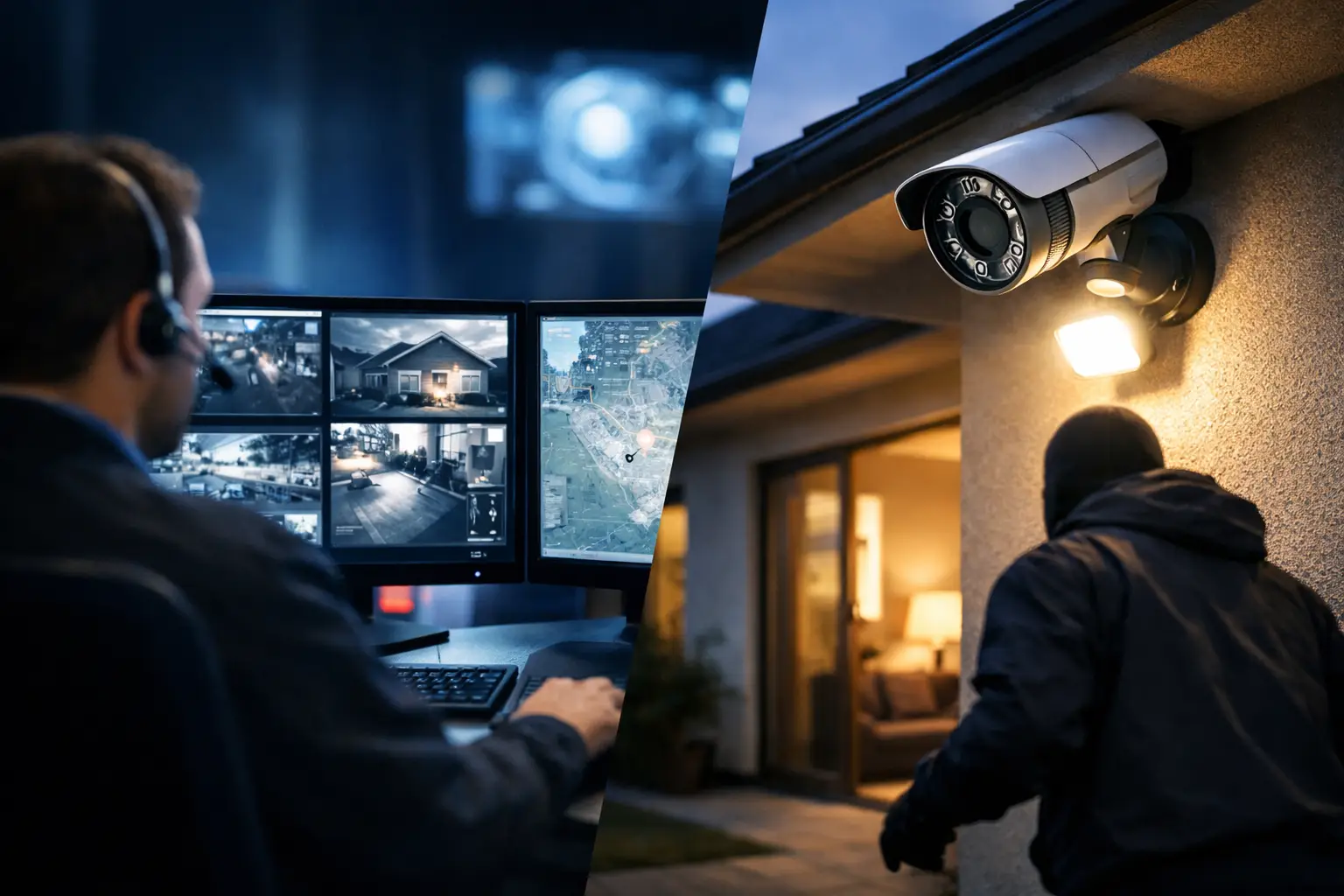
At its core, 24 7 video verification security combines professionally installed cameras, analytics, and around-the-clock monitoring. When a camera or connected device detects unusual activity, the event is not treated as just another ping on your phone. It can be reviewed and verified so the response matches the situation.
That sounds simple, but it changes the whole security experience. A traditional system may tell you a door opened or motion was detected. A verified system helps answer the bigger question: was it your teenager getting home late, an employee arriving early, a delivery at the front door, or a person who should not be there at all?
This matters because security decisions happen in seconds. If every alert looks urgent, people start ignoring them. If every alert is dismissed, real danger can be missed. Verification creates a middle ground where activity is assessed with actual visual evidence.
Why video verification improves response
The biggest advantage of verified video is confidence. When monitoring professionals can confirm a person on the property, suspicious behavior near an entry point, or activity inside a closed business, the alert carries more weight than a sensor trigger by itself.
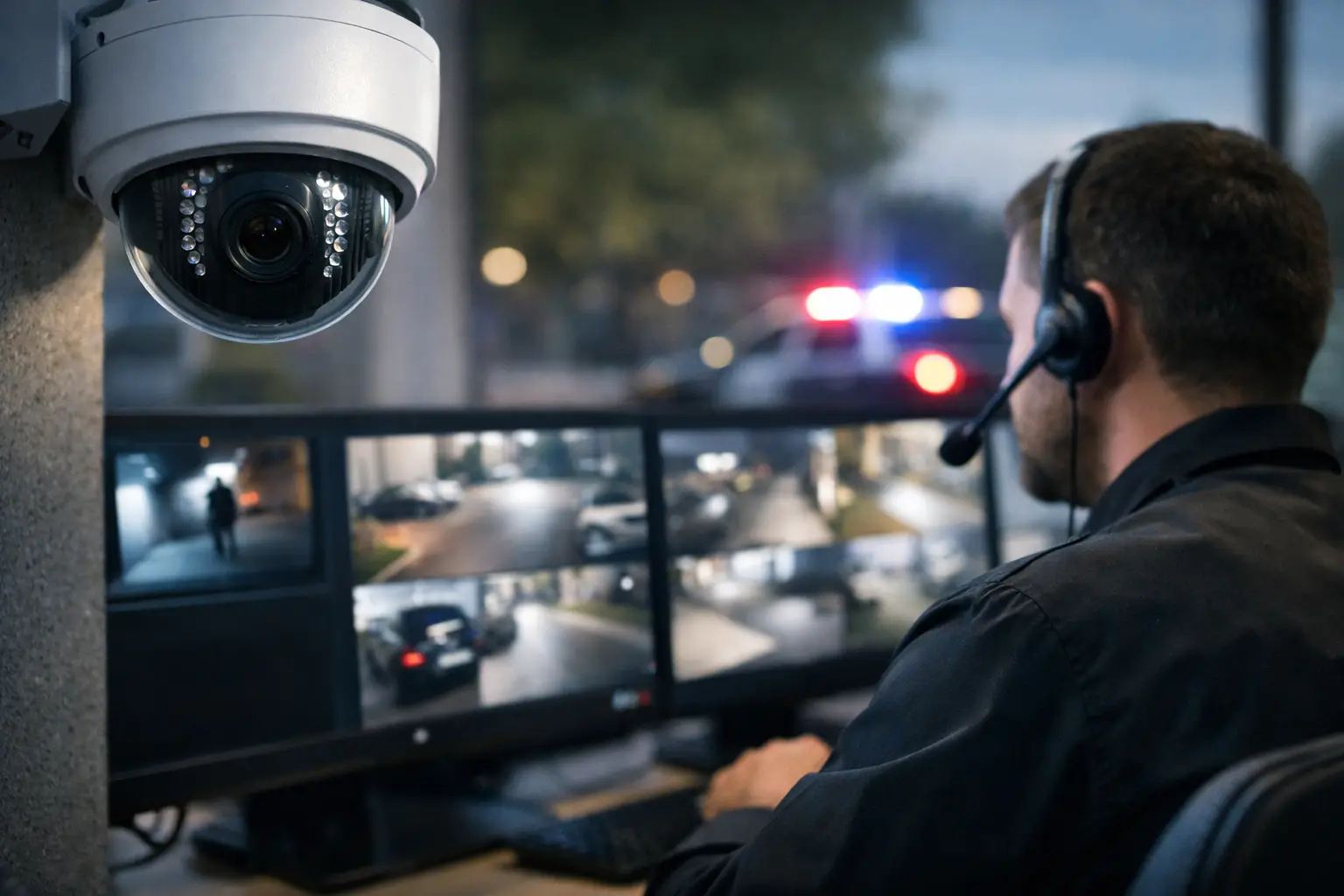
That often leads to a better response path. It can help determine whether the right next step is to notify you, trigger deterrence features, escalate to emergency dispatch, or continue monitoring the event as it develops. With more information upfront, everyone involved can react more quickly and with less guesswork.
It also helps with one of the most frustrating parts of security ownership: false alarms. Wind, pets, shadows, and everyday activity can all trigger motion-based events. Video verification does not eliminate every nuisance alert, but it can reduce unnecessary escalation. That is good for homeowners who want fewer interruptions and for business owners who cannot afford constant after-hours uncertainty.
24 7 video verification security for homes
For residential properties, the value goes beyond catching a break-in. Front porches, garages, driveways, side yards, and back doors all have different risk profiles. Package theft, trespassing, car break-ins, and late-night loitering are common concerns, and they do not always trigger a standard alarm in a useful way.
With verified video, those areas become easier to monitor with context. If someone approaches the front porch, you can distinguish between a delivery and suspicious lingering. If there is movement near the garage overnight, the system can help determine whether it is routine activity or something that deserves immediate attention.
This is especially useful for families who are not always home at the same time. Parents may want to know when kids arrive from school. Property owners may want oversight of a second home. Homeowners who travel often may want confidence that someone is not just receiving alerts, but actually watching for meaningful events.
The convenience factor matters too. A professionally managed system that combines cameras, intrusion sensors, smart locks, lighting, and mobile access gives you more than surveillance footage. It gives you control. You can check activity, review alerts, and manage your property from one app instead of stitching together a patchwork of devices.
How it helps small businesses stay protected
For small business owners, the cost of uncertainty is higher. A false alarm can mean a wasted trip to the store. A missed event can mean theft, property damage, or downtime the next morning. After-hours security needs are rarely one-size-fits-all, especially for offices, retail locations, service businesses, and mixed-use spaces.
24 7 video verification security gives business owners a more practical way to manage risk. Cameras can watch key entrances, loading areas, registers, inventory zones, and access points. If activity occurs outside normal business hours, that footage can help verify whether someone is entering lawfully, lingering suspiciously, or attempting unauthorized access.
That added visibility is useful even when there is no crime involved. A verified system can help confirm contractor arrivals, employee entry times, and vendor deliveries. It can also support access control by pairing surveillance with who entered and when. For many small businesses, that combination delivers enterprise-style oversight without the burden of building a complicated security stack.
The technology matters, but setup matters more
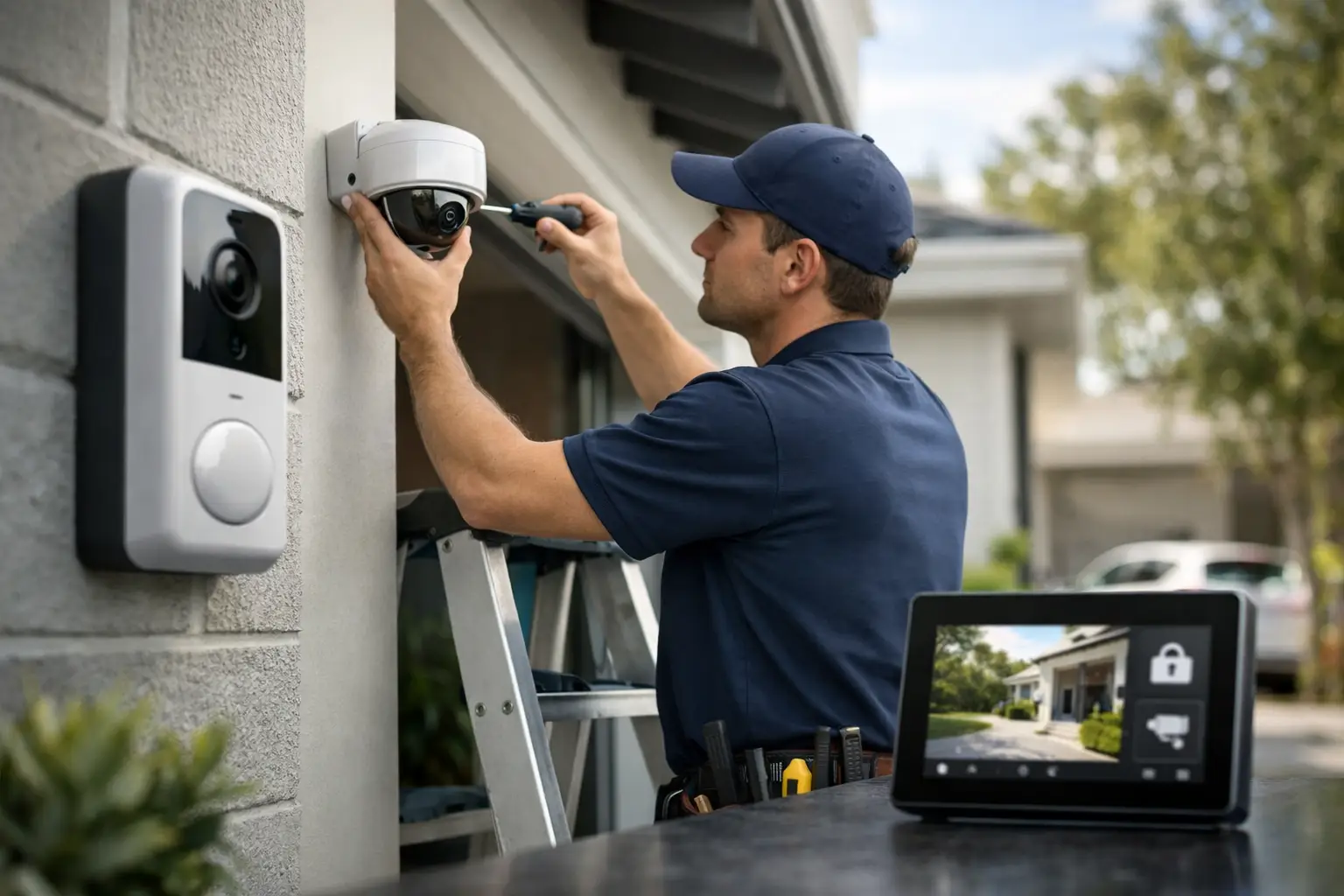
Video verification works best when the system is designed around the property, not just the equipment list. Camera placement, lighting conditions, entry points, and daily traffic patterns all affect performance. A camera pointed in the wrong direction or installed at the wrong height can create blind spots or generate too many irrelevant alerts.
That is one reason professionally installed systems stand apart from DIY setups. It is not just about getting devices online. It is about choosing the right cameras, placing them where they can capture useful footage, connecting them with intrusion and environmental devices, and making sure the monitoring side of the system supports actual response.
This is also where trade-offs come into play. More cameras are not always better if they create noise instead of clarity. Highly sensitive motion settings may catch everything, but they can also overwhelm users with alerts. The right setup balances coverage, analytics, and monitoring so the system stays helpful instead of becoming background noise.
What to look for in a verified video security system
If you are comparing options, focus on what happens after an event is detected. A camera that records video is useful, but recording alone is not the same as verification. The stronger systems connect video, analytics, deterrence features, and professional monitoring into one process.
Look for a provider that can customize the system to your home or business, not just sell a standard package. Ask how alerts are reviewed, how monitoring handles verified events, and whether the cameras integrate with other smart security features like door sensors, smart locks, lighting, and mobile control.
You should also consider everyday usability. If the system is difficult to manage, people stop using it fully. A good platform should make it easy to check live video, review clips, arm or disarm the system, and respond quickly when something needs attention. Convenience is not a bonus feature in security – it is part of what keeps protection active.
For customers who want a simpler path, Fluent Home brings those pieces together with professional installation, integrated smart security, AI-enhanced deterrence, and 24/7 monitoring designed to move beyond passive alerts.
Why this approach is becoming the new standard
People no longer want a security system that simply sounds an alarm and leaves the rest to chance. They want a system that helps confirm what is happening, supports faster action, and fits into daily life without adding more stress.
That is why 24 7 video verification security is gaining ground. It closes the gap between seeing motion and understanding risk. It gives homeowners more peace of mind when they are asleep, at work, or out of town. It gives small businesses better control over what happens after hours. Most of all, it turns security from a reactive tool into a more informed, more proactive layer of protection.
If you are investing in security, it makes sense to choose a system that does more than capture footage after the fact. The best protection helps you know what is happening while it still matters.