A camera notification at 2:00 a.m. is only useful if you know what happens next. That is the real purpose of a security subscription comparison: looking beyond the monthly price to understand who responds, what technology is included, and whether the system protects your property when you cannot.
For homeowners, the right plan should make daily life easier while helping protect against intrusion, package theft, fire, carbon monoxide, and water damage. For small businesses, it should provide dependable oversight without requiring an in-house security team. The best choice is rarely the cheapest subscription. It is the one that matches the risks at your property and gives you a clear path to help when an alarm occurs.
Security Subscription Comparison: Start With Monitoring
The biggest difference between security subscriptions is the level of response behind the system. Some plans simply send notifications to your phone. Others connect your security system to a 24/7 professional monitoring center that can contact you and dispatch emergency services when needed.
Self-monitoring may suit someone who is always available, has a small setup, and is comfortable deciding whether an alert is urgent. It also puts the responsibility on you to see every notification, assess the situation, and take action. If you are in a meeting, traveling, asleep, or without service, an alert can go unanswered.
Professional monitoring adds a human response layer. When a protected sensor triggers, trained operators follow a response plan and can contact the appropriate authorities according to the situation. This is especially valuable for families, second homes, older adults, and business owners who cannot personally respond to every after-hours alert.
For higher-risk properties, ask whether the provider offers video verification. With this service, trained specialists can assess alarm video in real time when available, confirm suspicious activity, and relay clearer information to emergency responders. That added context can help turn a passive alarm into a more proactive security response.
Know What Is Included in the Monthly Price
A low advertised monthly rate can look appealing until you find out which features require additional plans. Compare subscriptions based on the complete set of capabilities you expect to use, not just basic alarm monitoring.
Camera recording is a common dividing line. A camera may provide live viewing without a recording plan, while cloud storage, smart alerts, person detection, and video history may cost extra. If video evidence and package protection matter to you, confirm how many cameras are supported, how long clips are stored, and whether recordings can be reviewed from one mobile app.
Smart home controls may also be included, limited, or priced separately. A useful security platform can let you arm the system, lock doors, adjust a thermostat, open or close a garage door, check cameras, and receive alerts from the same app. Convenience matters because systems are more likely to be used correctly when control is simple.
Environmental protection deserves the same attention as burglary protection. Smoke detectors, carbon monoxide sensors, flood sensors, and monitored water shutoff controls can help prevent a smaller issue from becoming a major loss. If your home has a finished basement, aging plumbing, or a vacant period during travel, these devices may be more valuable than another door sensor.
Compare Equipment, Installation, and Coverage
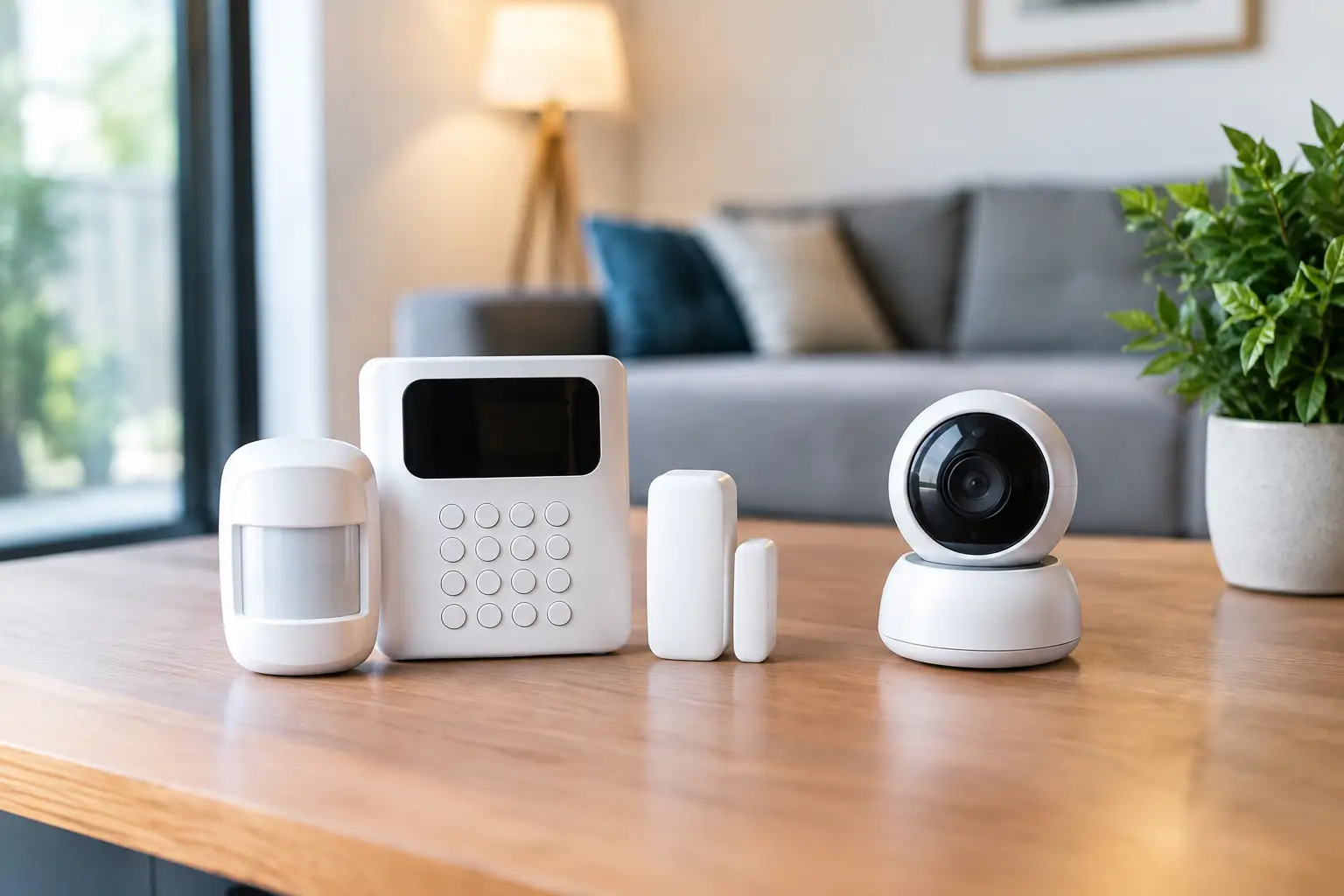
A subscription is only as effective as the system connected to it. Before choosing a plan, look at the equipment package and whether it can be designed around your specific property.
DIY systems can work for apartments, smaller homes, or users who are comfortable mounting cameras, placing sensors, and troubleshooting Wi-Fi connections. The trade-off is that placement mistakes can create blind spots, weak coverage, or frequent false alerts. A doorbell camera positioned poorly may miss a visitor’s face. A motion detector placed near a heat source or active pet area can cause problems.
Professional installation removes much of that guesswork. An experienced technician can identify vulnerable entry points, recommend camera angles, test device communication, and confirm that the system works before leaving. For a larger home or business, this expertise can be the difference between having devices and having an integrated security plan.
Coverage should extend beyond doors and windows. Consider outdoor approaches, side gates, detached garages, basement access, package delivery areas, and interior spaces where valuables are stored. Small businesses should also evaluate employee entrances, stockrooms, cash areas, customer entrances, and restricted spaces that may need access control.
Ask whether devices communicate through Wi-Fi, cellular service, or both. Cellular backup can help the system stay connected if internet service goes down. Battery backup is equally important during a power outage. These details are easy to overlook until the exact moment you need the system to keep working.
Read the Contract With the Same Care as the Features
Security subscriptions can involve month-to-month service, fixed-term agreements, equipment financing, installation charges, or early cancellation terms. None of these models is automatically better. The right option depends on your budget, how long you expect to stay at the property, and the level of service you want.
A longer agreement may offer promotional pricing, professional installation, or equipment financing that reduces the upfront cost. A month-to-month plan can provide more flexibility. Compare the full cost over the expected term, including equipment, activation, installation, taxes, service visits, and any applicable cancellation fees.
You should also ask who owns the equipment. Some providers sell it to you, while others include it as part of the service arrangement. If you move, find out whether the system can be transferred, reinstalled, or expanded at the new property.
Avoid making a decision based solely on a promotional price. A clearer question is: What will this system cost after installation and throughout the agreement, and what protection will that cost provide? A provider should be able to explain the answer directly.
Evaluate Alerts, Automation, and Everyday Use
A security system should not create more noise than confidence. Look for an app experience that makes it easy to tell the difference between a routine event and something that needs attention.
Useful alerts are specific. Instead of receiving a generic motion notification every time a tree branch moves, you may prefer alerts for a person near the front door, a package delivery, a door opening after business hours, or water detected near the washing machine. Video analytics and AI-enhanced detection can reduce unnecessary notifications while drawing attention to meaningful activity.
Automation can also make protection part of your routine. You might have the system arm at bedtime, turn on exterior lights when motion is detected, lock the door after a set time, or receive a reminder when you leave with the garage open. These features are practical because they help prevent common oversights before they become security concerns.
For businesses, automation and access management can simplify operations. Owners can review activity, manage authorized entry, and receive alerts when a door is opened outside scheduled hours. The goal is not to add another complicated platform. It is to give you useful oversight from wherever you are.
Questions to Ask Before You Sign Up
A provider should be comfortable answering practical questions about service, response, and support. Before selecting a plan, ask:
- Is 24/7 professional monitoring included, and what happens when an alarm is triggered?
- Does the plan include camera recording, video analytics, or video verification?
- Are installation, equipment, activation, and service costs clearly explained?
- Will the system continue operating during a power or internet outage?
- Can I add cameras, smart locks, flood protection, or access control later?
- What are the agreement length, cancellation terms, and equipment ownership details?
The answers should fit your property, not force you into a generic package. A family that wants package protection and water monitoring has different priorities than a retail business that needs after-hours video oversight and controlled employee access.
Choose Protection That Can Grow With You
The strongest security subscription gives you more than an alarm and an app. It provides expert installation, dependable monitoring, clear visibility, and the flexibility to add protection as your needs change. Fluent Home builds customized systems around the way people actually live and work, from connected home security to video surveillance and smart business protection.
Before committing, take a few minutes to walk through your property and identify what you most want to protect. A free custom quote should translate those concerns into a clear system design, a straightforward monthly service plan, and confidence that help is ready when it matters.