A burst supply line under a sink can do thousands of dollars in damage before you get home from work. That is exactly why water leak detection with shutoff has become one of the most practical smart protection upgrades for homeowners who want more than an alert on their phone. It gives you a way to detect a problem early and automatically stop water flow before a small leak turns into major repairs.
What water leak detection with shutoff actually does
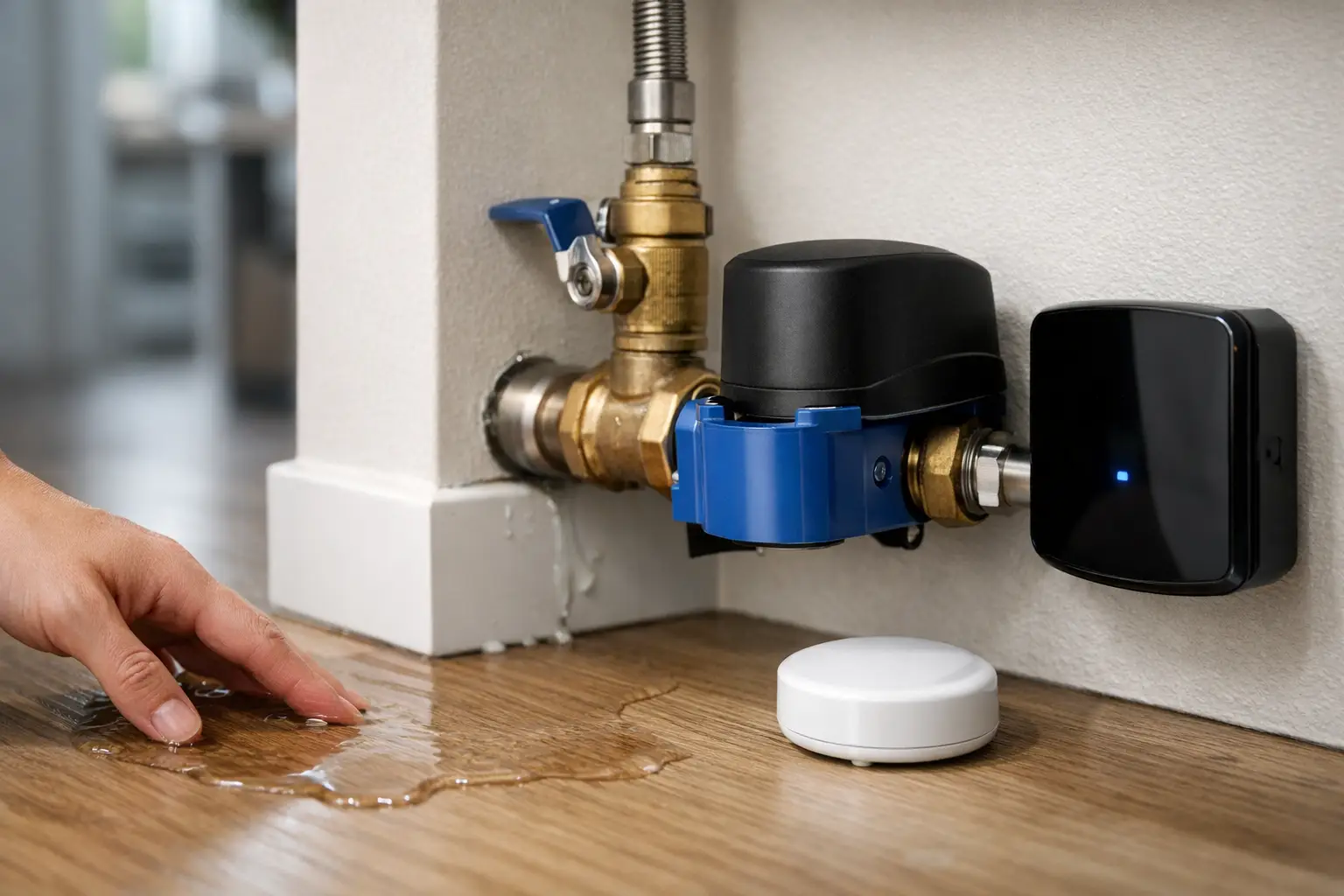
At its simplest, this system combines two pieces of protection. First, leak sensors are placed in high-risk areas such as under sinks, behind appliances, near water heaters, or around sump pumps. Second, a smart water valve is installed on your main water line so the system can shut off the water supply when a leak is detected.
That difference matters. A basic water sensor can notify you that water is present, but it still depends on you seeing the alert and acting fast. Water leak detection with shutoff adds automatic response. If a pipe bursts while you are sleeping, traveling, or simply away from your phone, the system can take action immediately.
For many homeowners, that is the real value. It is not just awareness. It is damage prevention.
Why this matters more than most people think
Water damage is rarely dramatic at first. More often, it starts quietly – a cracked washing machine hose, a failed water heater connection, a toilet supply line that loosens over time. By the time the damage is visible, flooring, drywall, cabinets, and belongings may already be affected.
The financial impact can be significant, but the disruption is often worse. Repairs can mean tearing out materials, drying out the structure, dealing with mold concerns, and living around contractors for days or weeks. For small business owners, a leak can also interrupt operations, damage inventory, and create cleanup costs that go far beyond the original plumbing issue.
A shutoff-capable system helps reduce that risk because it is designed for speed. Detection happens at the point where water appears, and shutoff happens at the source of the supply. That combination can limit damage to a much smaller area.
Where leak sensors should go
The best system design is based on risk, not guesswork. Some properties need only a few carefully placed sensors. Others benefit from wider coverage, especially larger homes, vacation properties, or businesses with multiple restrooms, break rooms, or utility spaces.
In most homes, the highest-priority locations are under kitchen and bathroom sinks, behind refrigerators with water lines, near dishwashers, around washing machines, near water heaters, and close to basement equipment. If the property has a finished basement, leak detection becomes even more valuable because the cost of hidden water damage rises quickly.
For business owners, priorities usually include utility rooms, janitorial closets, kitchenettes, restrooms, and any area with appliances, water-fed equipment, or stored materials that could be damaged. If a leak in one room can affect customer areas, offices, or stock, fast shutoff is worth serious consideration.
How automatic shutoff works in real life
When a sensor detects water, it sends that signal through the smart security or automation system. The connected water valve then closes the main water line. In many systems, you also receive a mobile alert so you can see what happened and respond appropriately.
That means you get two layers of protection at once. The first is the automated shutoff itself. The second is remote awareness, which helps you coordinate next steps, whether that means calling a plumber, checking camera views, or asking a neighbor or employee to inspect the space.
There are trade-offs, and they are worth understanding. If the system shuts off water automatically, fixtures and appliances that need running water will stop working until the valve is reopened. In a true leak event, that is a benefit. In a false alarm, it can be an inconvenience. That is one reason professional setup matters. Correct sensor placement, proper calibration, and reliable integration help reduce nuisance events.
The difference between DIY devices and a professionally installed system
There are plenty of standalone leak sensors on the market, and some homeowners start there. They can be helpful for basic awareness, especially in one or two locations. But a professionally installed solution is usually a better fit for customers who want whole-home protection, dependable automation, and one connected platform.
The biggest difference is coordination. A professional system is designed so the sensors, shutoff valve, mobile control, and monitoring experience work together. You are not trying to manage separate apps, unsupported devices, or weak signal coverage in utility areas. You are getting a system that is built around protection, not just gadgets.
Installation also matters at the valve itself. The shutoff device needs to be installed correctly on the main water line, tested, and integrated into the broader smart home or security setup. For many homeowners and business owners, that is not a project they want to troubleshoot on their own.
With a provider such as Fluent Home, the value is not just the hardware. It is the professional installation, system design, and simple control experience that make the technology easier to trust and easier to use day to day.
Water leak detection with shutoff as part of a smarter property
The strongest protection plans do not treat flood prevention as a separate category. They connect it with the rest of the property.
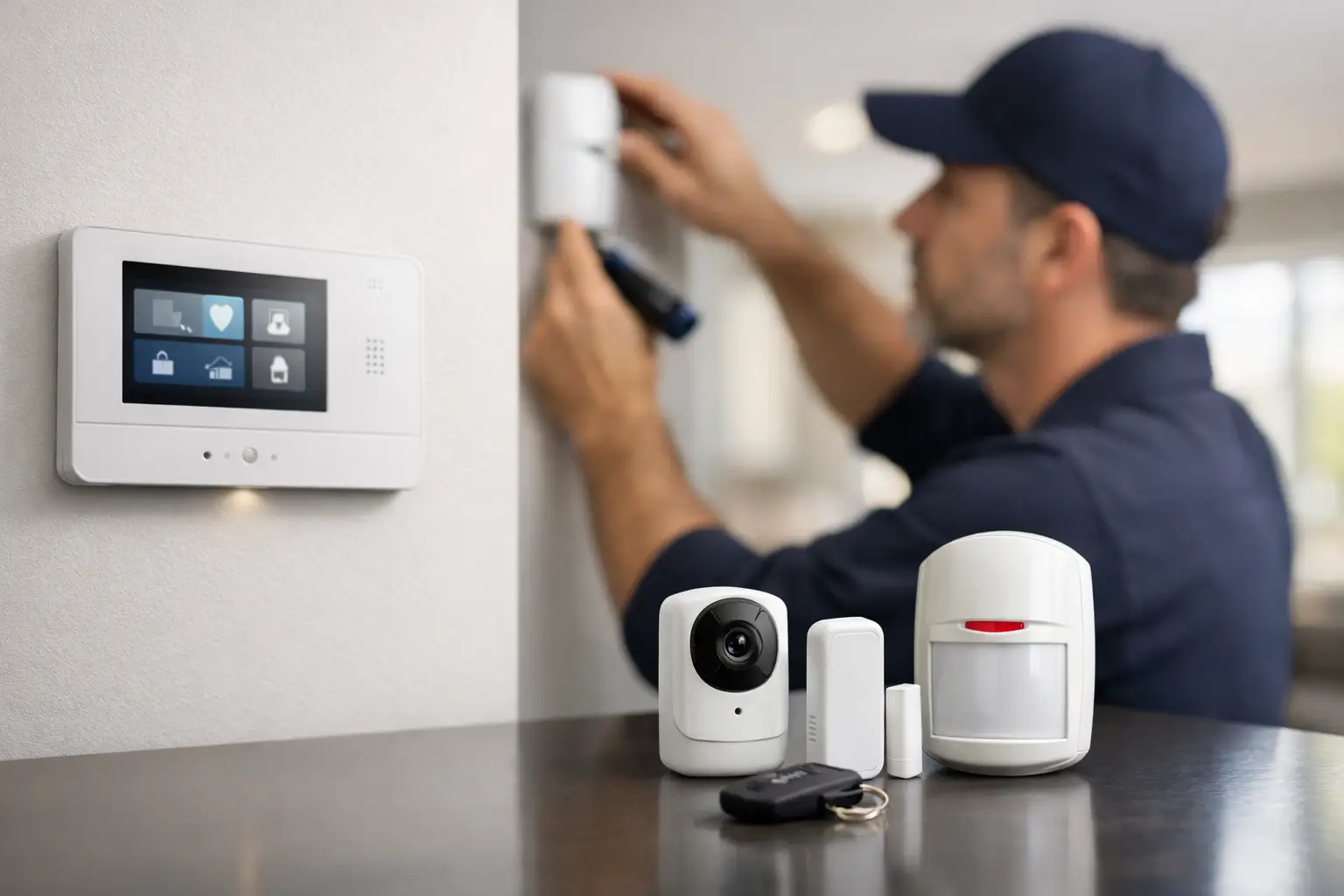
If your home already includes smart security, cameras, environmental sensors, mobile app control, and professional monitoring, adding water leak detection with shutoff creates a more complete safety system. You can manage intrusion, fire awareness, video, and water protection from one place instead of juggling multiple disconnected tools.
That kind of integration is especially useful for busy families, second-home owners, and business operators. If you are already using your phone to arm the system, check cameras, and manage access, adding water control fits naturally into the same routine. It adds another layer of peace of mind without adding more daily complexity.
Who benefits most from this type of protection
Not every property has the same risk profile, but certain situations make shutoff protection especially valuable.
Homes with older plumbing are obvious candidates, but newer homes are not immune. Appliance failures, installation issues, and unexpected fitting problems can happen in any property. Families who travel often also benefit because leaks tend to become expensive when no one is around to notice them quickly.
This setup also makes sense for people who own finished basements, store valuables in lower levels, or have expensive flooring and cabinetry they want to protect. For small businesses, the case is just as strong. If water damage could interrupt operations or affect customer-facing areas, early detection and automatic shutoff can help avoid a much larger problem.
What to ask before choosing a system
The right solution depends on how much protection you want and how your property is laid out. A few questions can quickly clarify what matters most.
First, ask whether the system includes both leak sensors and an automatic main-line shutoff valve. Some products alert you but do not stop water. Second, ask how the system is controlled. If mobile access is important, make sure app-based visibility and alerts are included. Third, ask how the system integrates with your existing security or smart home platform.
You should also ask about installation and support. A water valve is not just another battery-powered device. It affects a core utility in your home or business, so proper setup matters. Ongoing service matters too, especially if you want confidence that the system will perform correctly when you need it most.
A practical upgrade that can prevent major loss
Smart home upgrades often focus on convenience first. This one is different. Water leak detection with shutoff is fundamentally about limiting damage, protecting property, and reducing the stress that comes with an unexpected plumbing failure.
It is also one of those rare upgrades that proves its value in a single event. You may never think much about the system during normal weeks. Then one leaking hose, failed fitting, or cracked pipe reminds you why automatic protection matters.
If you are already investing in better security and smarter control, adding water protection is a logical next step. A professionally installed system can give you fast alerts, automatic response, and more confidence that your property is protected even when you are not there. If you want that kind of peace of mind, requesting a custom quote is a sensible place to start.