A smoke alarm chirping at 2:00 a.m. is stressful enough. Trying to figure out whether it is steam from the shower, a low battery, or a real emergency is worse. That is where smoke and carbon monoxide monitoring changes the equation. Instead of relying on whoever happens to be nearby, a monitored system helps turn a dangerous moment into a faster, more organized response.
For homeowners and small business owners, that difference matters. Fire can spread in minutes, and carbon monoxide gives no warning you can see or smell. A professionally installed, professionally monitored setup adds another layer of protection when people are asleep, away from the property, or simply not near the device when an alert goes off.
What smoke and carbon monoxide monitoring actually does
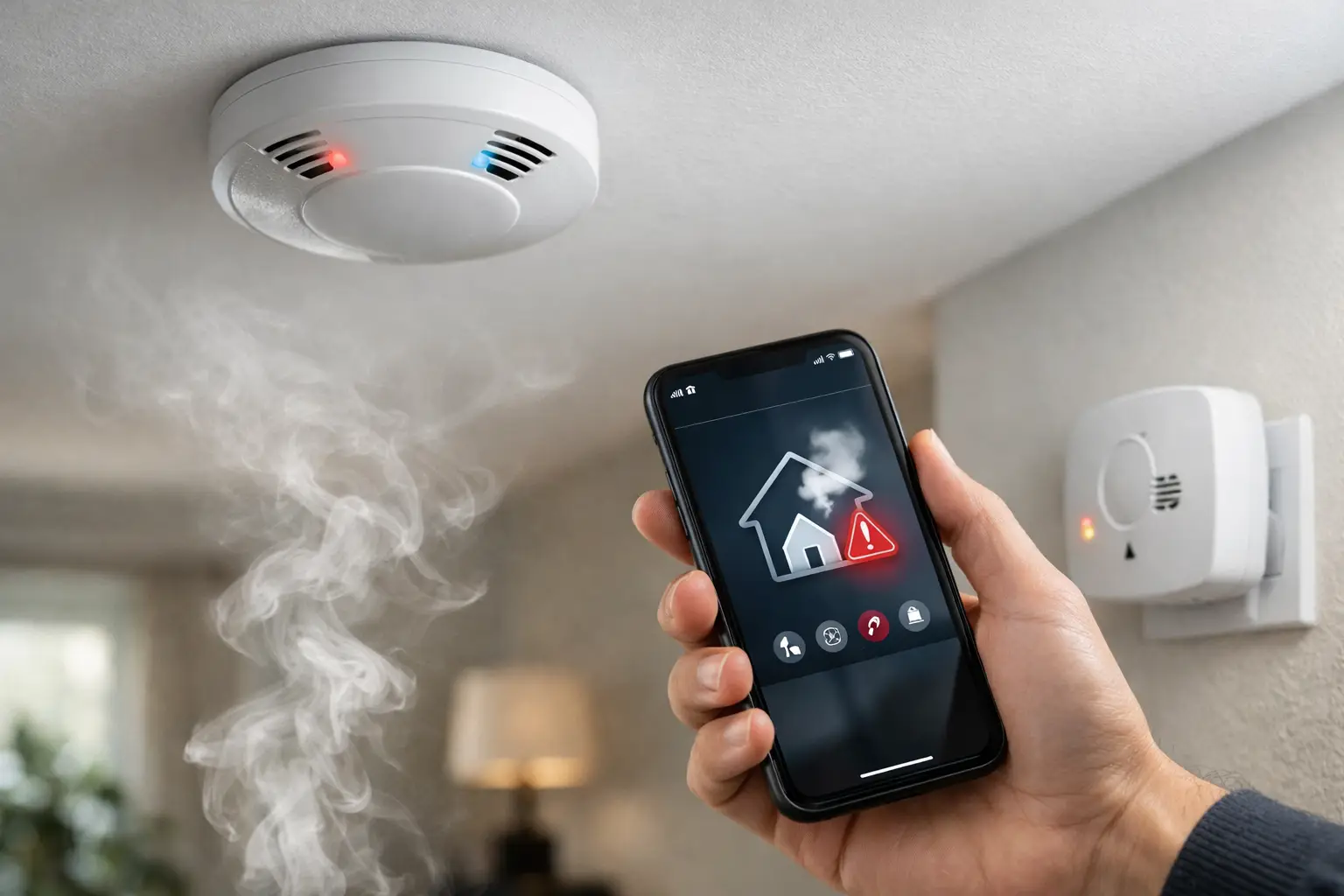
At the most basic level, monitored smoke and CO detection connects environmental sensors to a larger security system. If smoke or carbon monoxide is detected, the system sends an alert through the control panel and mobile app, while also notifying a professional monitoring center.
That extra step is what separates a standalone detector from a connected protection strategy. A local alarm can warn people inside the building, which is essential. Monitoring extends that protection beyond the walls of the property. If no one is home, if a family is traveling, or if a business is closed for the night, the signal still goes out.
This matters because emergencies do not always happen at convenient times. Kitchen flare-ups happen during busy evenings. Furnace issues often show up in colder months. Electrical fires can start after business hours. The faster a signal reaches the right people, the better the chance of reducing injury, property loss, and downtime.
Why monitored protection is different from basic detectors
Every property should have smoke and carbon monoxide detectors. That is the starting point, not the finish line. The real question is whether local alarms alone are enough for the way you live or operate your business.
For some people, a battery-powered detector in the hallway feels sufficient. But that setup depends on someone hearing it, understanding the danger, and acting immediately. If children are upstairs, if an older adult is home alone, or if the building is empty, there is less margin for error.
With smoke and carbon monoxide monitoring, the system is designed to do more than make noise. It helps create a chain of response. You get alerts on your phone. The monitoring team can react according to the signal received. In an integrated smart security system, connected devices may also work together, which can make the situation easier to manage.
There is a trade-off, of course. Monitoring is a service, not just a device purchase, so there is an ongoing cost. But for many families and business owners, that cost is tied directly to peace of mind. They are not paying only for hardware. They are paying for a faster path from detection to action.
Smoke and carbon monoxide monitoring in a smart security system
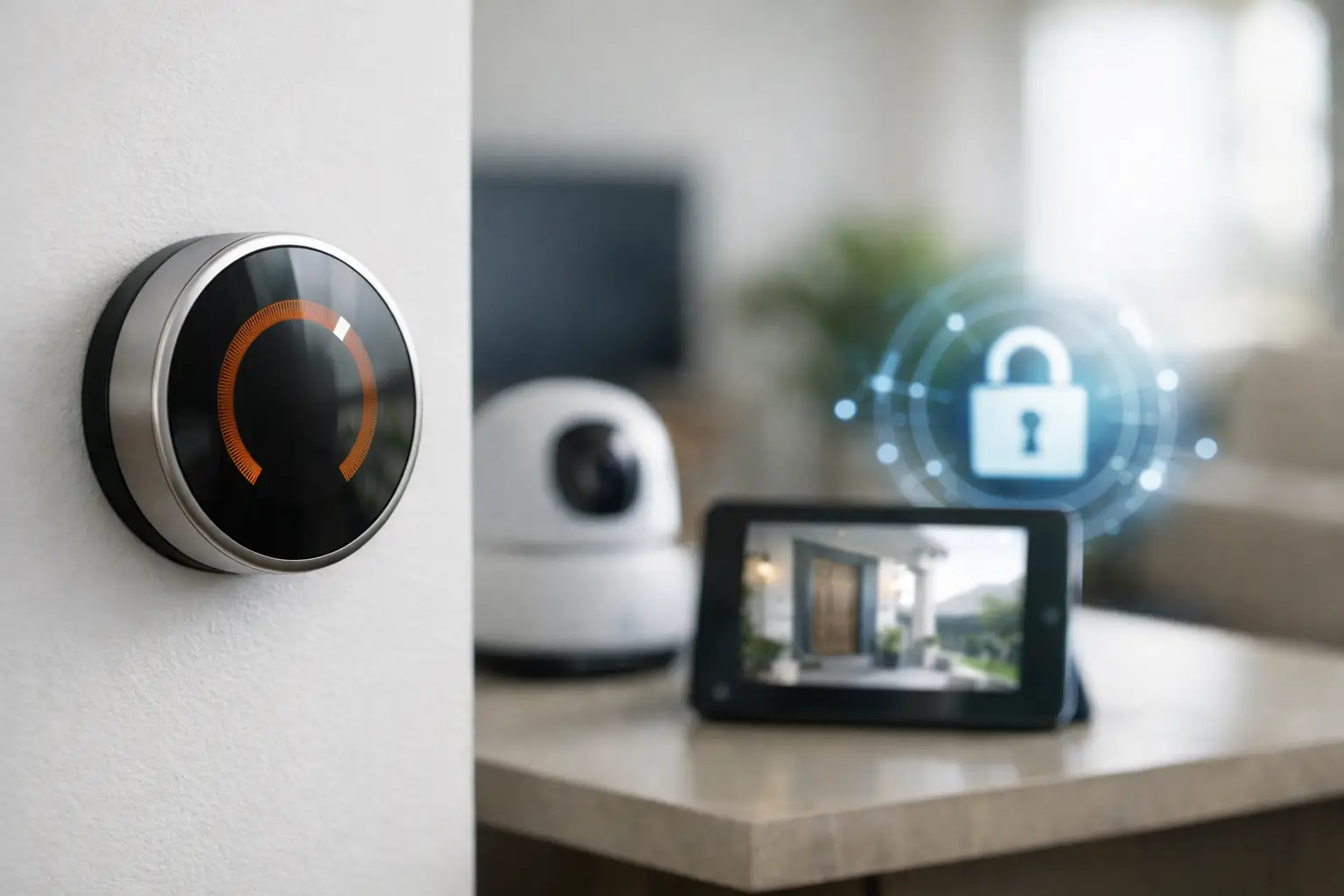
The strongest results usually come when environmental protection is part of a broader system rather than a separate add-on. When smoke and CO devices connect with a smart control panel, mobile app, and professional monitoring, you gain visibility and control in one place.
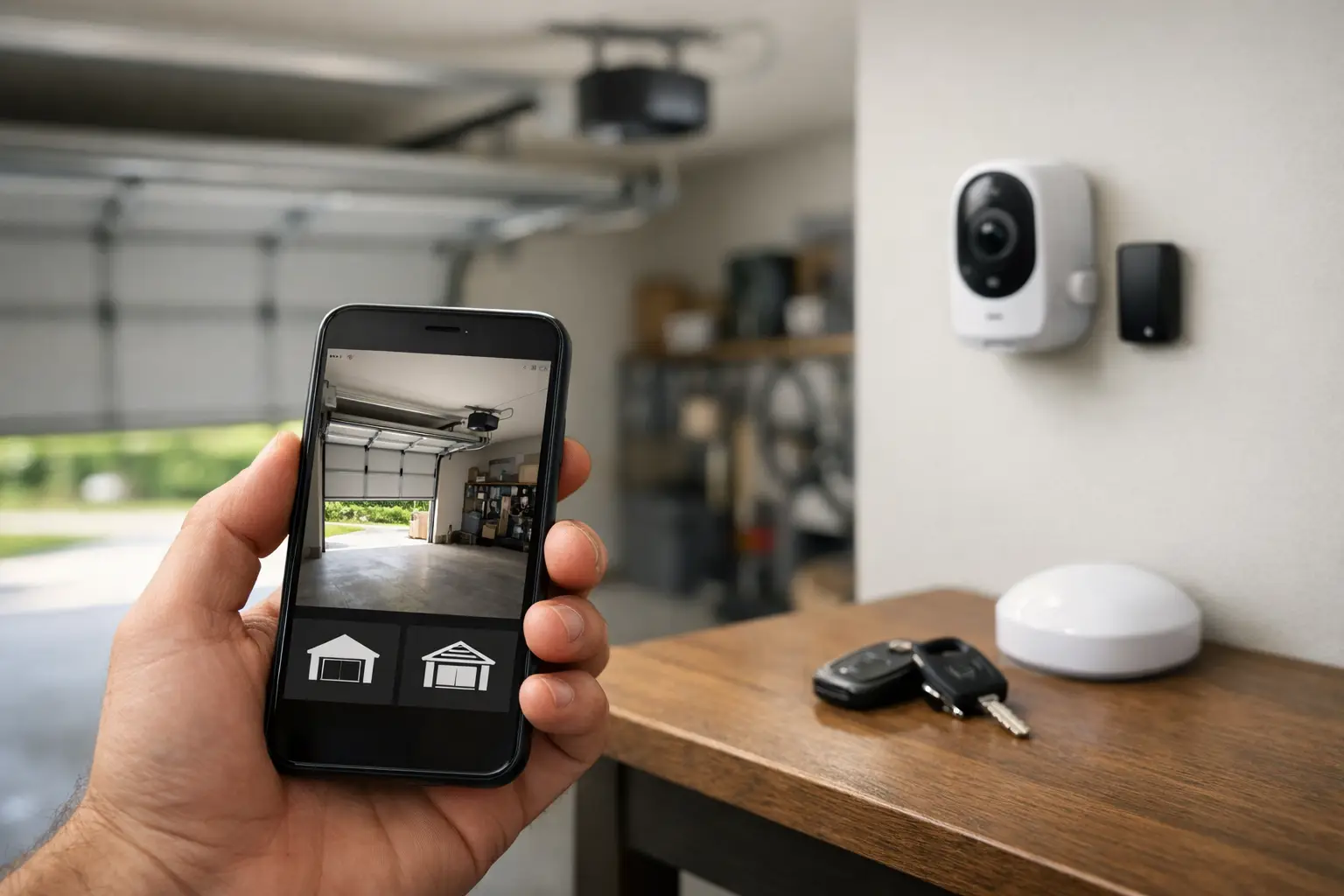
That convenience is easy to underestimate until something happens. If you are at work and a detector goes off at home, app-based alerts let you respond without guessing. If you run a small business and receive a signal after hours, you can see that event as part of the same platform that manages intrusion alarms, cameras, locks, and other devices.
Integration also simplifies daily use. You do not have to juggle multiple apps or try to remember which detector covers which area. A professionally designed system can map protection across the property in a way that fits the layout, occupancy, and risk points.
For a business, that might mean placing detectors near utility rooms, offices, storage areas, and customer-facing spaces. For a home, it often means coordinated coverage around bedrooms, hallways, living areas, and any floor with fuel-burning appliances or an attached garage. The right placement matters just as much as the technology itself.
Where monitoring makes the biggest difference
The value of monitored detection becomes clearer in specific real-world situations. A family on vacation may not know a furnace issue triggered a carbon monoxide event unless the system notifies them right away. A business owner may not realize an overnight electrical problem has started smoke conditions in a back office. A parent may sleep through an alarm on another floor. In each case, relying on chance is not a strong plan.
Monitoring is especially useful for larger homes, properties with multiple levels, and businesses with irregular occupancy. The more space there is between people and the source of danger, the more important fast communication becomes.
It is also a practical fit for households that want less day-to-day hassle. Professionally installed systems tend to be more dependable than piecing together devices one at a time. That does not mean every property needs the exact same setup. A condo, a detached home, and a retail storefront will have different needs. But in each case, expert installation reduces guesswork.
What to look for in smoke and carbon monoxide monitoring
Not all setups deliver the same experience. Some systems offer basic alerts. Others are built to work as part of a complete protection platform. If you are comparing options, it helps to focus on how the system performs during an actual emergency, not just what features look good on a spec sheet.
Reliable communication is a major factor. The system should be able to send signals consistently and quickly. Professional installation also matters because detector placement, device compatibility, and panel configuration all affect real-world performance.
Mobile access is another practical advantage. Fast app notifications can help you verify what is happening and make informed decisions if you are away. For many users, the best setup is one that combines local alarms, mobile visibility, and 24/7 professional monitoring rather than forcing them to choose one layer of protection over another.
Ease of use should not be overlooked either. Advanced technology is only helpful if it fits naturally into daily life. A well-designed system should be simple to manage, easy to understand, and supported by a provider that can answer questions when needed.
Why professional installation matters
Smoke and carbon monoxide protection is not the place for trial and error. Device location, signal reliability, and system integration all affect how well the solution works under pressure. Professional installation helps make sure the equipment is configured correctly from the start.
That includes choosing the right detector types for the property, placing them in effective locations, and connecting them with the larger security ecosystem. It also helps avoid common gaps, like under-protecting a basement, missing a utility area, or installing devices where nuisance alarms are more likely.
For busy homeowners and business operators, that expertise saves time and frustration. Instead of researching every sensor, app, and compatibility issue yourself, you get a system built around the property and the risks that come with it. That is one reason many customers prefer a provider like Fluent Home instead of managing multiple devices on their own.
A better fit for homes and small businesses
There is no single safety feature that solves every problem. Smoke and carbon monoxide monitoring is one part of a broader protection plan, alongside intrusion detection, cameras, smart locks, and automation. But it is one of the most important parts because the risks are immediate and the consequences can be severe.
For homeowners, monitoring supports safer nights, safer travel, and more confidence when the house is empty. For small businesses, it can help protect employees, customers, inventory, equipment, and continuity of operations. In both cases, the goal is the same – reduce uncertainty when seconds matter.
If your current detectors only make noise inside the building, it may be time to think bigger. Protection works best when it is connected, professionally managed, and designed around how the property is actually used. A smart security system should not just tell you something is wrong. It should help the right response happen fast.
The best safety technology is the kind you do not have to second-guess when life gets busy, the building is empty, or the alarm goes off in the middle of the night.