Key Takeaways
- Understanding home security system costs involves evaluating upfront equipment and installation fees, as well as recurring monthly monitoring charges.
- Professionally installed and monitored systems, like those offered by Fluent Home, typically require a larger initial investment but offer superior reliability, comprehensive protection, and long-term value compared to most DIY alternatives.
- Costs vary significantly based on system complexity, chosen features (e.g., advanced cameras, smart home integration), and monitoring plan tiers.
- Geographic location within the U.S. and Canada can influence pricing due to regional labor costs, taxes, and service availability.
- Investing in a robust security system offers tangible benefits, including potential homeowners’ insurance discounts and enhanced peace of mind.
Navigating the Complexities of Home Security Pricing
Determining the true cost of a home security system can feel overwhelming. With a wide array of providers, technologies, and service plans available across the United States and Canada, pricing is rarely a simple, one-size-fits-all number. The final cost depends on a blend of initial hardware expenses, installation choices, and ongoing monitoring services.
Understanding these components is the first step toward making an informed decision that balances your budget with the need for robust protection. From the upfront investment in equipment to the long-term value of professional oversight, each element plays a critical role in the overall cost and effectiveness of your system. This guide will provide a transparent breakdown to help you navigate your options and find the right solution to protect your home and family.
Average Home Security System Costs in 2026
In 2026, homeowners in the U.S. and Canada can expect a range of costs, largely dependent on the sophistication of the system. Basic DIY kits might start with equipment costs under $300, while comprehensive, professionally installed systems can range from $350 to over $2,000 for the initial setup. This initial outlay covers the physical components that form the foundation of your home’s defense.
Beyond the initial purchase, the most significant ongoing expense is professional monitoring. These monthly fees typically range from $25 to $80, ensuring a dedicated team is always ready to respond to emergencies.
Upfront Equipment and Installation Expenses
The initial investment in a home security system is primarily for the hardware. This includes a central hub, such as the Fluent Control Panel, which serves as the system’s brain, along with various sensors and devices. Costs escalate with the number and type of components you choose.
Key equipment includes:
- Door and Window Sensors: Essential for detecting unauthorized entry.
- Motion Detectors: To monitor activity within the home.
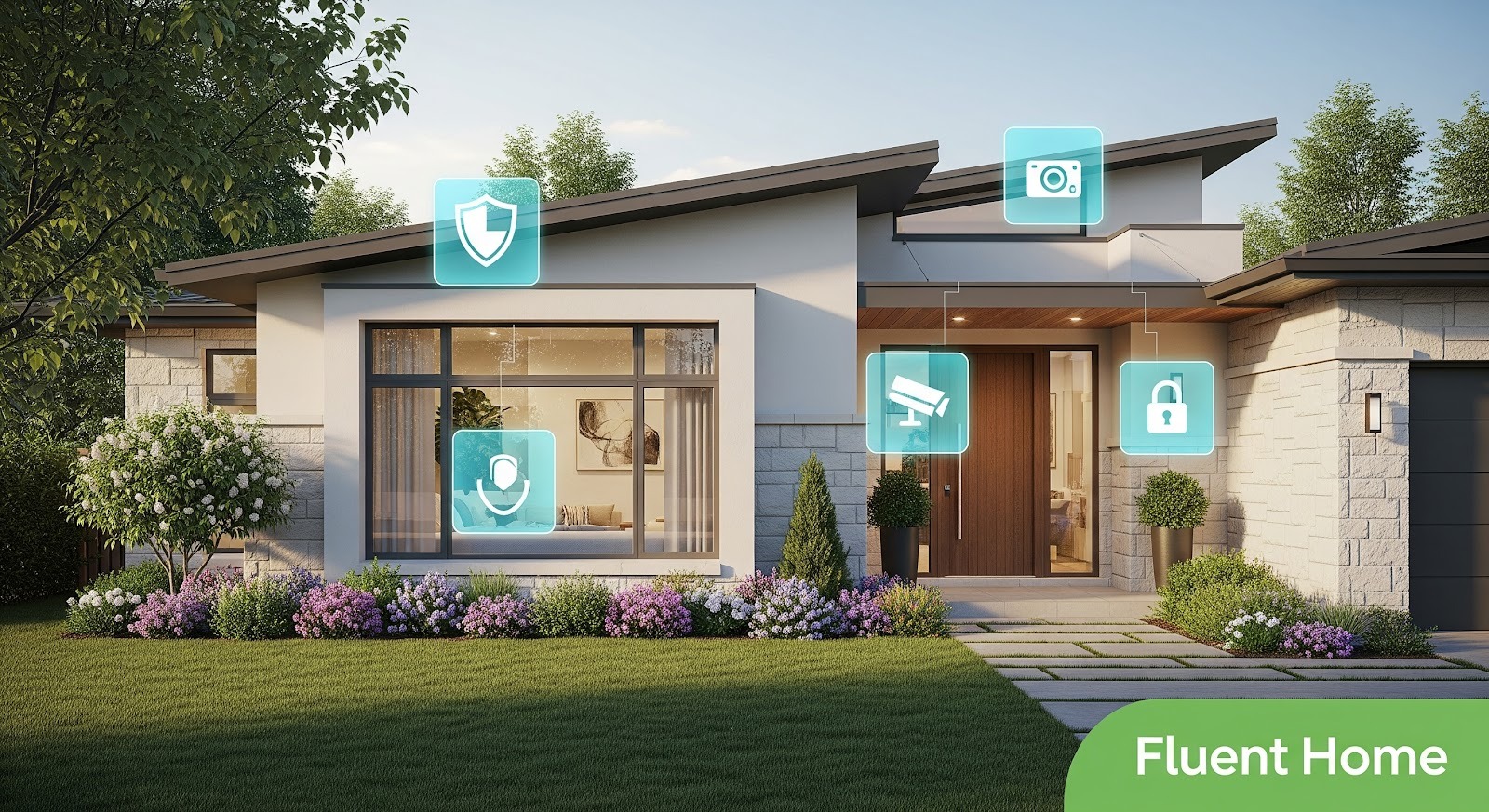
- Cameras: Options range from an indoor security camera to an outdoor security camera and a sophisticated doorbell camera.
- Smart Devices: Such as smart doorlocks and integrated smoke detectors.
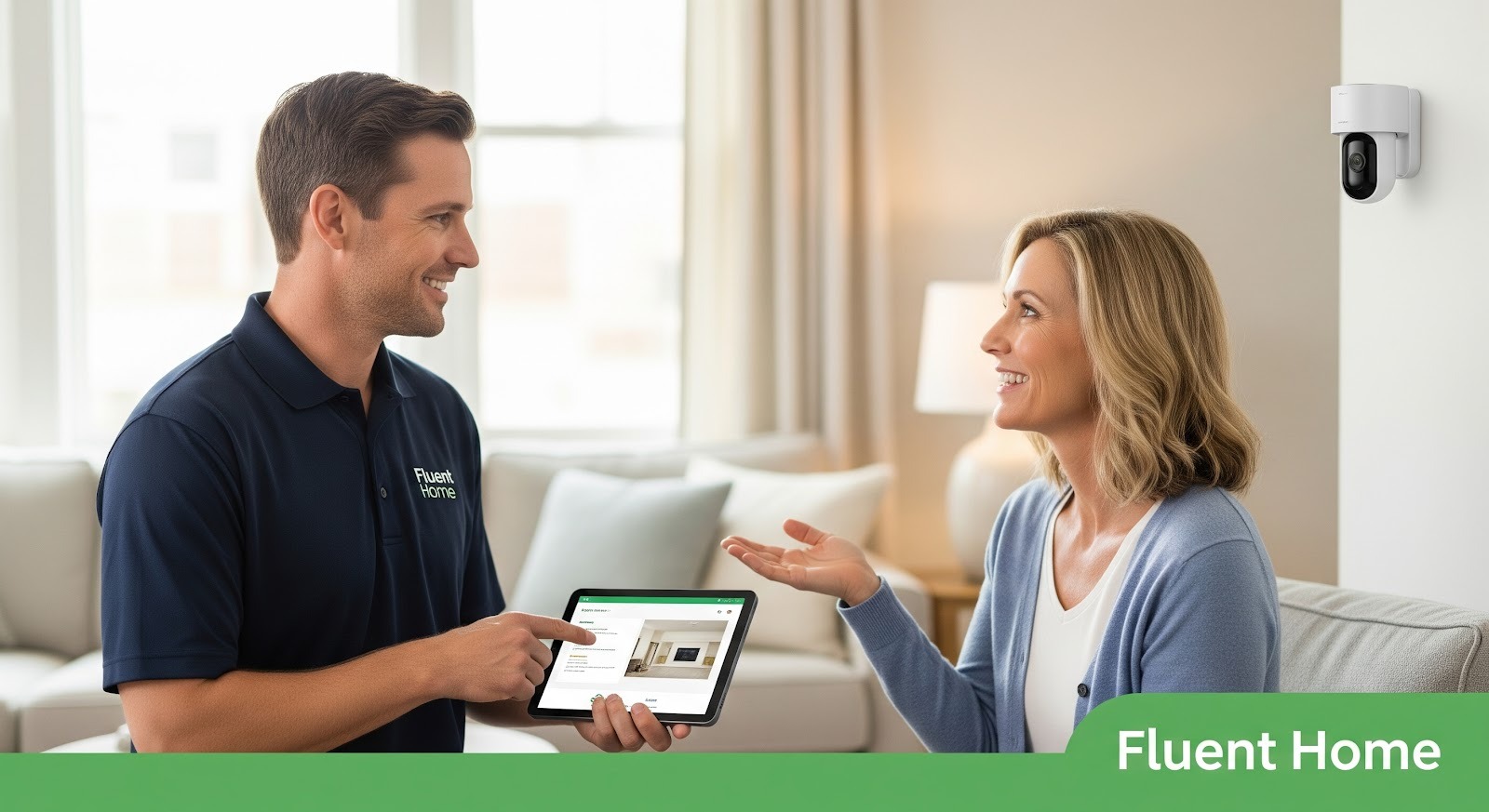
Professional installation is another key factor. While some companies charge for this service, others may bundle it into a package. A professional setup ensures that every component is placed optimally and functions correctly, eliminating the guesswork and potential errors of a DIY installation.
Understanding Monthly Monitoring Fees
Monthly monitoring fees are the cornerstone of a professionally supported security system. These recurring charges, typically $30 to $60 for standard plans, cover the cost of a 24/7 central station that monitors your home. When an alarm is triggered, trained professionals verify the emergency and dispatch police, fire, or medical services.
This fee also often includes cellular backup, which keeps your system connected even if your internet goes down, and access to a mobile app like the Fluent Smart Home App for remote system control. Higher-tier plans may include advanced features like video verification and cloud storage for camera footage.
DIY vs. Professionally Installed & Monitored Systems: A Cost and Value Comparison
When choosing a security system, one of the biggest decisions is between a Do-It-Yourself (DIY) solution and a professionally installed and monitored one. DIY systems often appeal with lower upfront hardware costs, sometimes starting under $200, and the allure of no mandatory monthly fees if you opt for self-monitoring.
However, professional home security systems from a provider like Fluent Home offer a fundamentally different level of protection and reliability. The initial investment is typically higher, but it includes expert installation, ensuring all devices are correctly calibrated and positioned for maximum effectiveness. More importantly, it comes with 24/7 professional monitoring, which provides a rapid, guaranteed response in an emergency, something self-monitoring cannot promise.
The Hidden Costs and Risks of DIY Security
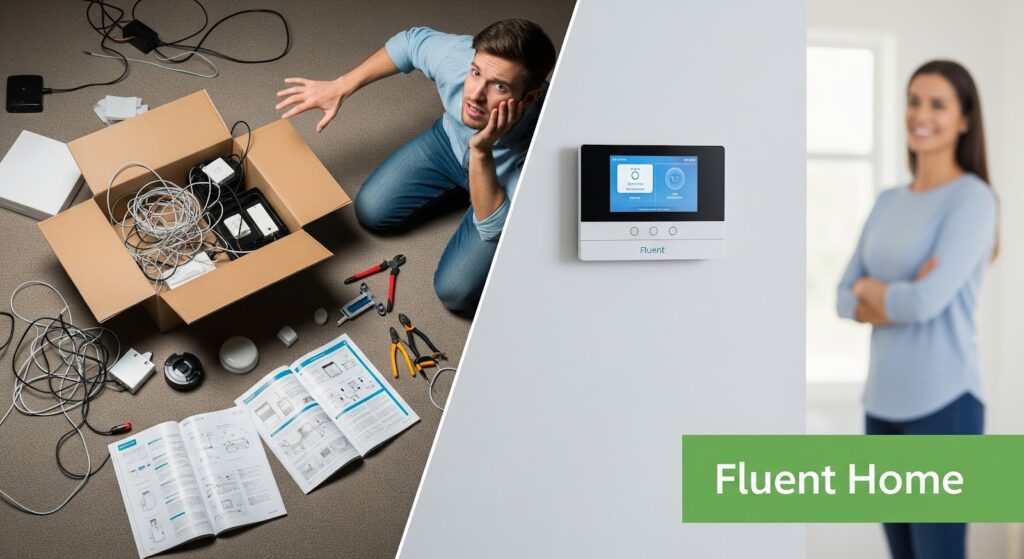
The perceived savings of DIY security can be misleading. Without professional oversight, the responsibility for monitoring falls entirely on you. This means that if a notification comes through while you are unavailable, in a meeting, on a plane, or simply asleep, no one will dispatch help.
Furthermore, improper installation can lead to system malfunctions or blind spots, creating a false sense of security. There’s also the risk of false alarms due to user error, which in some municipalities can lead to fines. While the sticker price of a DIY kit is low, the potential long-term costs and, more importantly, the safety risks of a system that isn’t professionally managed often outweigh the initial savings.
Long-Term Value and Return on Investment (ROI)
Investing in a comprehensive home security system provides value that extends far beyond immediate safety. It’s an investment in peace of mind and your property’s financial health. The presence of a visible, professionally monitored security system is a powerful deterrent to potential intruders, significantly reducing the risk of a costly, traumatic break-in. This proactive protection helps reduce the financial and emotional toll of property loss and damage.
Insurance Savings and Property Value Boost
One of the most direct financial benefits of a security system is a reduction in homeowners’ insurance premiums. Many insurance companies offer discounts, typically ranging from 5% to 20%, for homes with professionally monitored systems that include intrusion and fire monitoring. These savings can help offset the monthly monitoring cost over time. For a deeper dive into this topic, explore how security systems can lower home insurance costs.
Additionally, integrated smart security systems can enhance your property’s appeal to potential buyers. Features like smart locks, thermostats, and advanced cameras are increasingly desirable, potentially boosting your home’s resale value.
Factors That Influence Your Home Security System Cost
The final price tag for your security system is influenced by several key factors. The size of your home and the number of entry points will dictate how many sensors are needed for comprehensive intrusion detection. The type of equipment also plays a major role; a system with multiple AI-powered cameras will cost more than one with basic door sensors.
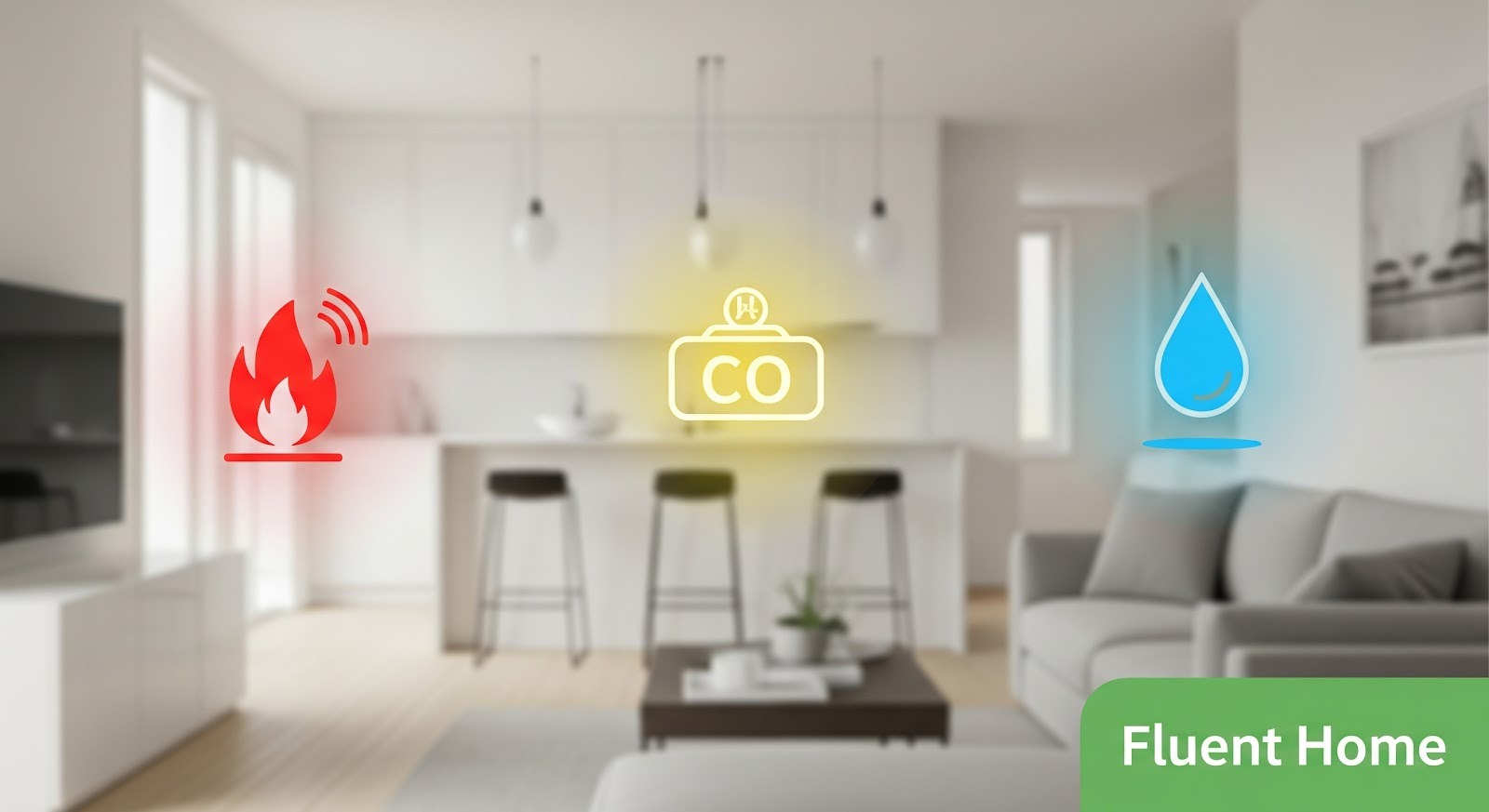
Integrating smart home features, such as smart lighting and thermostats, will also add to the upfront cost but can provide long-term convenience and energy savings. Furthermore, your chosen monitoring plan will affect the recurring monthly fee. Plans that include services like video verification, cloud storage, and monitoring for environmental threats like fire with smoke detectors or CO monitoring will naturally be priced higher than basic intrusion-only plans.
Geographic Differences and Local Considerations
Where you live in the U.S. and Canada can also impact the cost. Regional differences in labor rates can affect installation fees, and local sales taxes will apply to both equipment and services. Service availability may also vary, with some providers having a stronger presence in certain areas.
Local regulations can introduce additional costs. For instance, some cities in both countries, such as Toronto or Calgary in Canada, require homeowners to obtain an alarm permit and may levy fines for excessive false alarms. When getting a quote, it’s important to ask about any location-specific considerations in areas like Las Vegas, NV, Denver, CO, or Salt Lake City, UT.
Budgeting for Home Security Without Compromising Safety
When planning your budget, it’s crucial to prioritize protection and reliability over finding the absolute lowest price. Start by assessing your home’s specific vulnerabilities and your family’s lifestyle to determine which features are essential. A ground-floor apartment has different needs than a large, multi-story house with a spacious yard.
Focus on securing all primary entry points and consider professional monitoring as a non-negotiable component for true security. While advanced smart home gadgets are appealing, ensure your core security needs are met first. A quality system should be viewed as a long-term investment in your family’s well-being. Sacrificing essential features or, most importantly, professional monitoring for a lower initial cost can leave you dangerously exposed.
Invest in Peace of Mind with Fluent Home
Understanding the costs associated with a home security system is the first step toward making a smart, confident decision for your family’s safety. While prices vary based on equipment, monitoring, and location, the long-term value of a professionally installed and monitored system is clear. It provides not just a powerful deterrent to threats but also an invaluable sense of security.
At Fluent Home, we are committed to providing reliable and advanced home security solutions tailored to your needs. Our professional systems and 24/7 monitoring ensure that your home is always protected, offering superior value and the ultimate peace of mind.
Ready to secure your home? Get a Free Quote today.
FAQs
What is the average total cost for a professionally installed home security system in the U.S. and Canada?
A professionally installed home security system typically involves an upfront equipment and installation cost ranging from $350 to over $2,000, plus monthly monitoring fees between $25 and $80, depending on features and service level.
How much can I expect to pay monthly for home security monitoring?
Monthly professional monitoring fees for home security systems in the U.S. and Canada generally range from $20 to $80, covering 24/7 surveillance, cellular backup, and emergency dispatch services.
Are DIY home security systems significantly cheaper than professional systems?
DIY systems often have lower upfront equipment costs, sometimes starting under $200, and may offer self-monitoring options for free or reduced monthly fees. However, they may lack the comprehensive protection, expert installation, and rapid emergency response of professional systems, leading to higher long-term risks and hidden costs.
Can a home security system help lower my homeowners insurance premiums?
Yes, many insurance providers offer discounts on homeowners insurance premiums, often ranging from 5% to 20%, for homes equipped with professionally monitored security systems that include features like intrusion, fire, and water detection.
What factors cause home security system costs to vary by location in North America?
Costs can vary due to regional labor rates, sales taxes, differing service availability from providers, and local regulations such as requirements for alarm permits or potential fines for false alarms in certain Canadian municipalities.