
Key Takeaways
- A commercial intrusion detection system relies on a combination of different sensor types to provide complete coverage.
- The ideal sensor mix depends on your business type, building layout, and specific security risks (e.g., retail vs. warehouse).
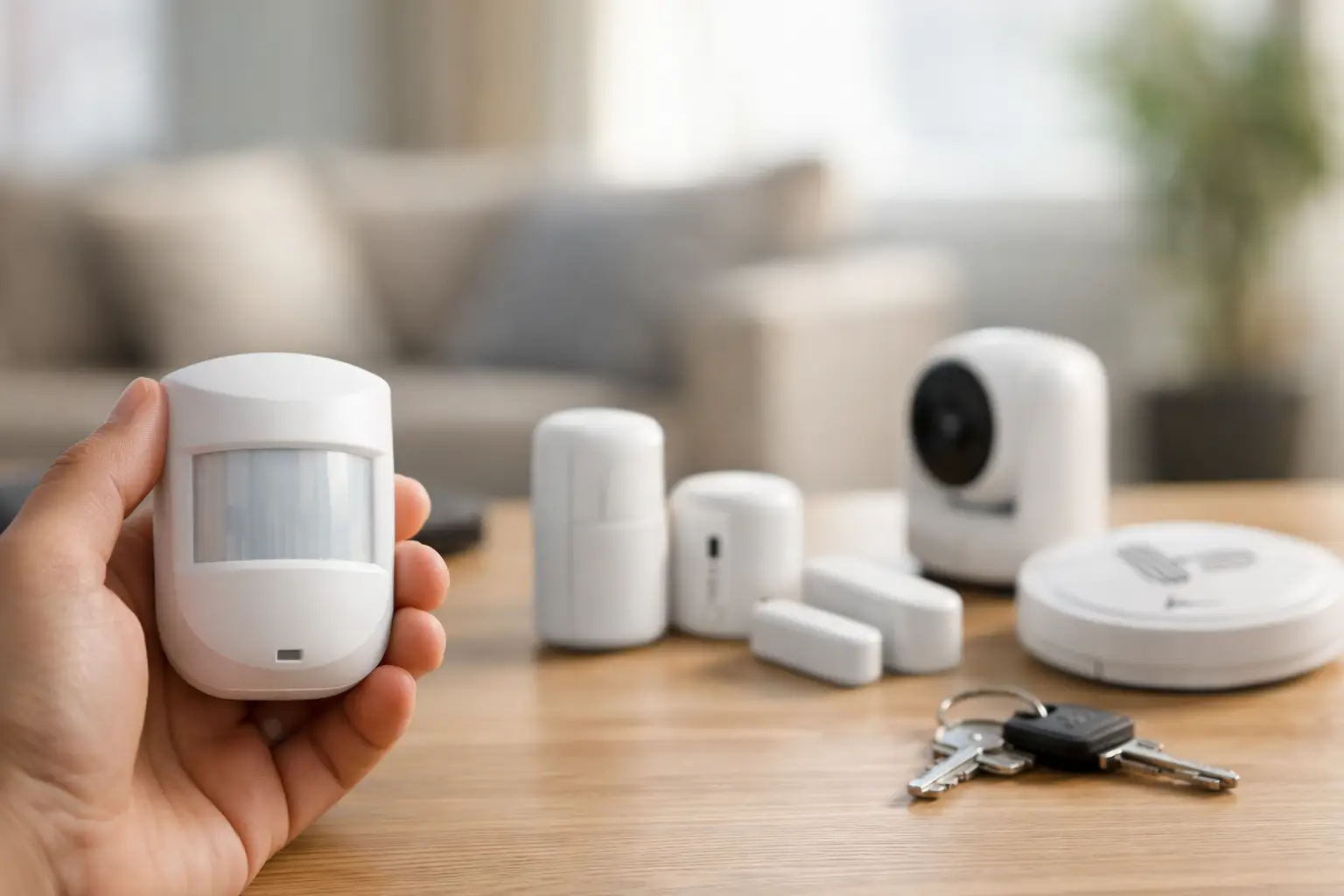
- Key sensor types include motion, door/window contacts, glass break, and shock sensors, each serving a unique purpose.
- Integrating sensors with 24/7 professional monitoring ensures an immediate, verified response to any security breach.
Understanding the Core of Your Commercial Security System
As a business owner, you know that protecting your assets, inventory, and employees is a top priority. While locks and gates provide a physical barrier, a truly effective security strategy operates on a much smarter level. At the heart of modern comprehensive commercial security systems are intrusion detection sensors. Think of these devices as the vigilant eyes and ears of your business, constantly on watch for any unauthorized activity.
Sensors are designed to detect specific events—like a door opening, a window shattering, or movement in a restricted area—and instantly communicate that information to a central control panel. This panel is the brain of your system, processing the signal and triggering an alarm. More importantly, in a professionally monitored system, it sends an immediate alert to a dedicated monitoring station. This crucial link ensures that every potential threat is evaluated and acted upon, providing a powerful defense for your commercial property around the clock. Choosing the best sensors for commercial intrusion detection is the first step in building that defense.
A Guide to Essential Commercial Intrusion Sensor Types
No single sensor can protect against every type of threat. The most effective security plans use a layered approach, combining different types of business security sensors to create a comprehensive shield around and within your property. Each sensor type has a specific job, and understanding their roles is key to designing a system that leaves no vulnerability unaddressed. By combining perimeter protection with interior detection, you create a robust network that can identify and report a breach no matter how an intruder attempts to gain entry.
Door and Window Contact Sensors
These are the fundamental building blocks of any perimeter security system. A door and window contact sensor consists of two parts: a magnet and a sensor. One piece is installed on the door or window itself, and the other is placed on the frame. When the entry point is closed, the magnetic field is complete. If it’s opened, the contact is broken, and the sensor immediately triggers an alarm. Simple yet incredibly effective, these sensors are your first line of defense, alerting you the moment a secure perimeter is breached. They are essential for all exterior doors, ground-floor windows, and any other potential entry point.
Motion Sensors (PIR & Dual-Technology)
Once an intruder bypasses the perimeter, motion sensors provide a critical second layer of interior protection. The most common type is the Passive Infrared (PIR) sensor, which detects the body heat that people and animals naturally emit. When a warm body moves through its field of view, it signals an intrusion.
For more complex commercial environments, dual-technology motion sensors offer an advanced solution. These devices combine a PIR sensor with microwave technology, which detects motion by bouncing waves off objects. For an alarm to be triggered, both sensors must detect an intrusion simultaneously. This drastically reduces false alarms caused by environmental factors like HVAC systems, drifting debris in a warehouse, or sunlight changes, making them the ideal choice for businesses that need reliable detection without nuisance alerts.
Glass Break Sensors
Businesses with large glass storefronts, display windows, or glass doors have a unique vulnerability. A glass break sensor is specifically designed to address this risk. These sophisticated acoustic devices are tuned to listen for the specific sound frequency of shattering glass. A single sensor can often cover multiple windows within a room. If a window is broken, the sensor detects the distinct sound pattern and triggers an immediate alarm, often before an intruder has even set foot inside. This is a crucial component for retail stores, restaurants, and ground-floor offices.
Shock and Vibration Sensors
Some threats are less subtle. Shock and vibration sensors are designed to detect the brute-force impact of an attempted break-in before a breach occurs. Placed on walls, safes, roofs, or ATM machines, these sensors can detect the vibrations caused by drilling, hammering, or sawing. This proactive detection provides an invaluable early warning, allowing for a faster response when a determined intruder is attempting to create their own entry point. They are an excellent addition to any system focused on protecting high-value assets or fortifying specific, vulnerable areas of a building.

Matching the Right Sensors to Your Business Environment
The best sensors for commercial intrusion detection are the ones tailored to your specific operational needs and physical layout. The security requirements for a warehouse in Texas are vastly different from those of a boutique in downtown Vancouver. A professional assessment is the best way to determine your needs, but here are some common strategies for different business types.
For Retail Stores & Restaurants
Public-facing businesses need to protect their valuable inventory and cash registers, especially after hours. The primary focus is on the perimeter.
- Door and Window Contact Sensors: Secure every possible entrance, including front doors, back doors, and any accessible windows.
- Glass Break Sensors: Essential for protecting large storefront windows from smash-and-grab burglaries.
- Motion Sensors: Positioned to cover cash wrap areas, stockrooms, and main floor spaces to detect any movement after closing.
For Office Buildings
Office security focuses on protecting sensitive data, expensive equipment, and ensuring employee safety. The strategy here often involves a combination of perimeter and interior zone protection.
- Door Contact Sensors: Placed on all exterior doors and key interior doors, such as the server room or records storage. A system that integrates access control provides a complete entry management solution.
- Motion Sensors: Used to monitor hallways, main work areas, and reception after hours. Dual-technology sensors are ideal for reducing false alarms from office equipment.
For Warehouses & Industrial Facilities
Large, open spaces like warehouses and manufacturing plants in areas like Denver or Salt Lake City present unique challenges. Security must cover vast perimeters and valuable, often heavy, equipment.
- Perimeter Protection: In addition to door contacts on all personnel and loading bay doors, photoelectric beam sensors can create an invisible fence across large openings or outdoor yards.
- Interior Motion Sensors: Robust, dual-technology motion sensors are critical to cover large floor areas without being triggered by dust, pests, or temperature changes.
- Shock Sensors: Can be placed on exterior walls or secure storage cages to detect attempts to force entry through unconventional means.

How 24/7 Professional Monitoring Maximizes Your Protection
Even the most advanced business security sensors are only as effective as the response they trigger. An unmonitored alarm that simply makes a loud noise might scare off an amateur, but it does little to ensure a verified response from law enforcement. This is where 24/7 professional monitoring becomes the most critical component of your security investment.
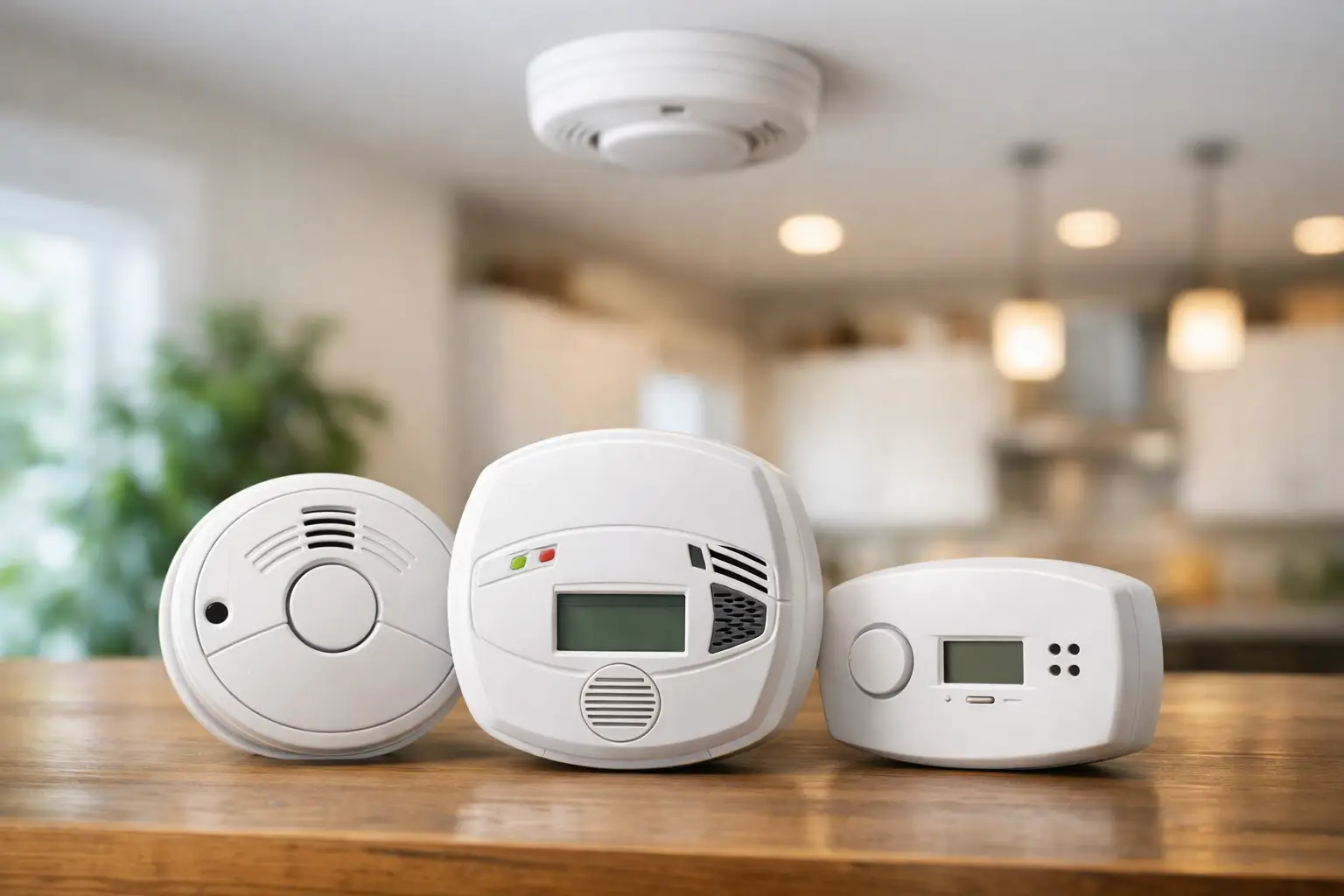
When one of your sensors is triggered, a signal is sent to a command center staffed by trained security professionals. An agent will immediately follow established protocols to verify the alarm, which may involve contacting you or reviewing video footage. This verification process is crucial for police, as it confirms a real emergency is in progress and ensures a prioritized dispatch. This service transforms your system from a simple deterrent into an active, responsive security solution. The Fluent Home security experts not only help you choose the right sensors but also connect them to a network of constant protection. By investing in custom intrusion detection solutions that are professionally monitored, you gain the peace of mind that comes from knowing an expert is always watching over your business. This intelligent approach to smart security for your business also complements systems that protects against fire and flood, creating a total safety net.
Build Your Custom Intrusion Detection Strategy
Don’t leave your business’s safety to chance. Our security experts can help you design a custom intrusion detection system with the right sensors for your unique needs. Get a free quote today.
FAQs
What is the difference between commercial and residential security sensors?
While they operate on similar principles, commercial-grade sensors are typically built for greater durability and can cover larger areas. They also feature advanced technology like dual-tech motion detection to reduce false alarms in busy or complex environments like warehouses or offices.
Do I need both motion sensors and door sensors?
Yes, for comprehensive security. Door sensors protect the perimeter by triggering an alarm the moment an entry point is breached. Motion sensors provide a second layer of interior protection, detecting intruders who may have gained entry through an unprotected area like a window.
Are wireless intrusion sensors reliable for a business?
Absolutely. Modern wireless sensors use encrypted signals for secure and reliable communication. They offer flexible installation with minimal disruption to your business operations and are a core component of today’s professional security systems.