
Key Takeaways
- An intrusion detection system uses a network of sensors (door, window, motion, glass break) to identify unauthorized entry into a commercial property.
- When a sensor is triggered, it sends an instant signal to a central control panel, which activates an alarm and alerts a 24/7 professional monitoring center.
- The monitoring team verifies the alarm and dispatches emergency services (police or fire), ensuring a rapid response to protect your assets and employees.
- These systems are crucial for theft prevention, after-hours security, and reducing business liability, especially for retail, office, and warehouse environments.
What Is a Business Intrusion Detection System?
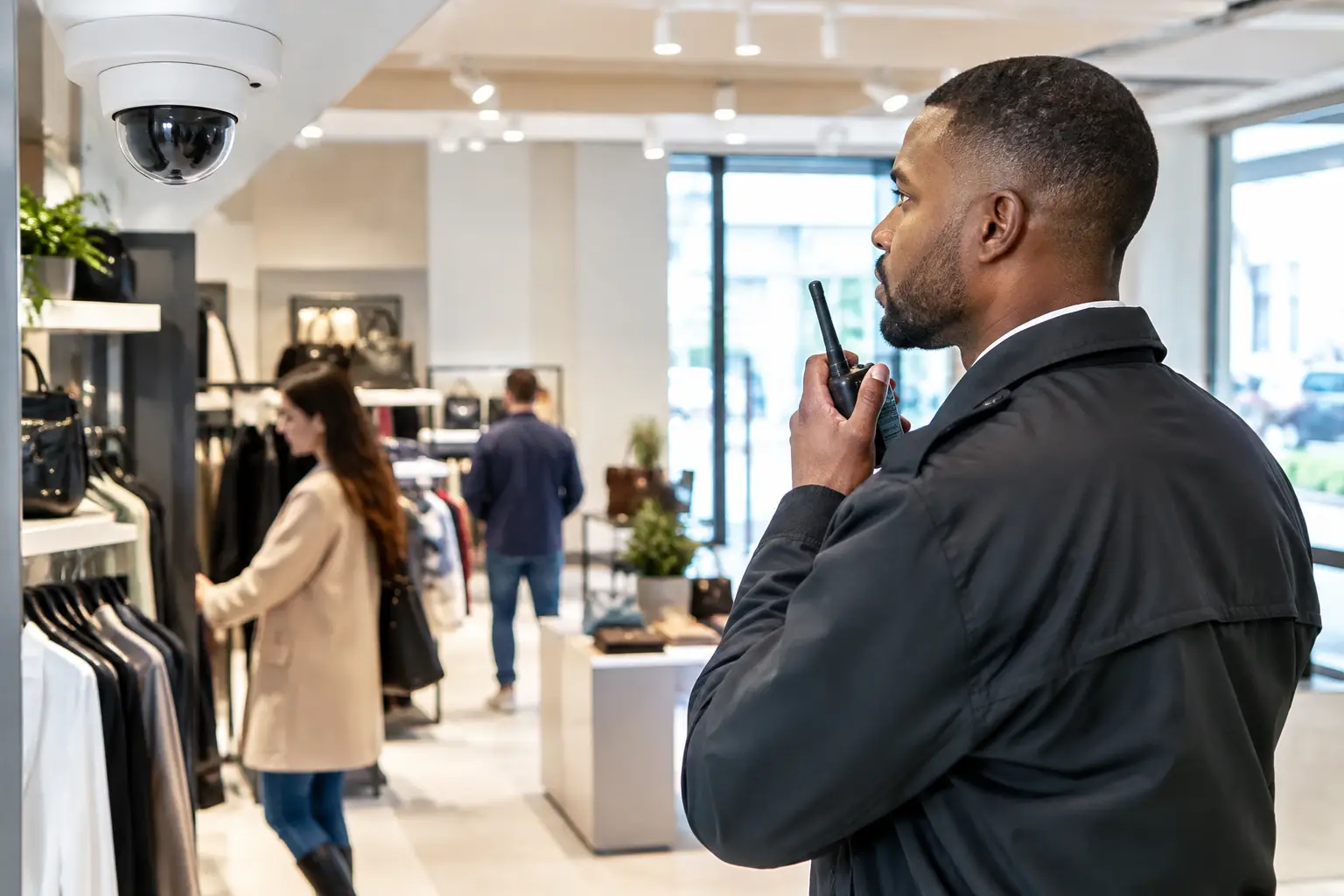
Every business faces unique security challenges, from the risk of after-hours theft and vandalism to ensuring employee safety during operating hours. A foundational layer of modern commercial security is a business intrusion detection system. But how does it actually work to protect your property, assets, and people?
A business intrusion detection system is far more than a simple alarm that makes noise. It’s a sophisticated network of interconnected electronic devices designed to detect, report, and respond to unauthorized entry into a building or a specific protected area. It operates on a simple but powerful principle: identify a threat the moment it occurs and initiate an immediate, verified response. This differentiates it from standalone alarms by integrating smart sensors, instant alerts, and professional monitoring to create a comprehensive shield for your business. The core of this service is smart security for business, combining technology and human oversight to provide peace of mind.
The Core Components: How Sensors Detect Threats
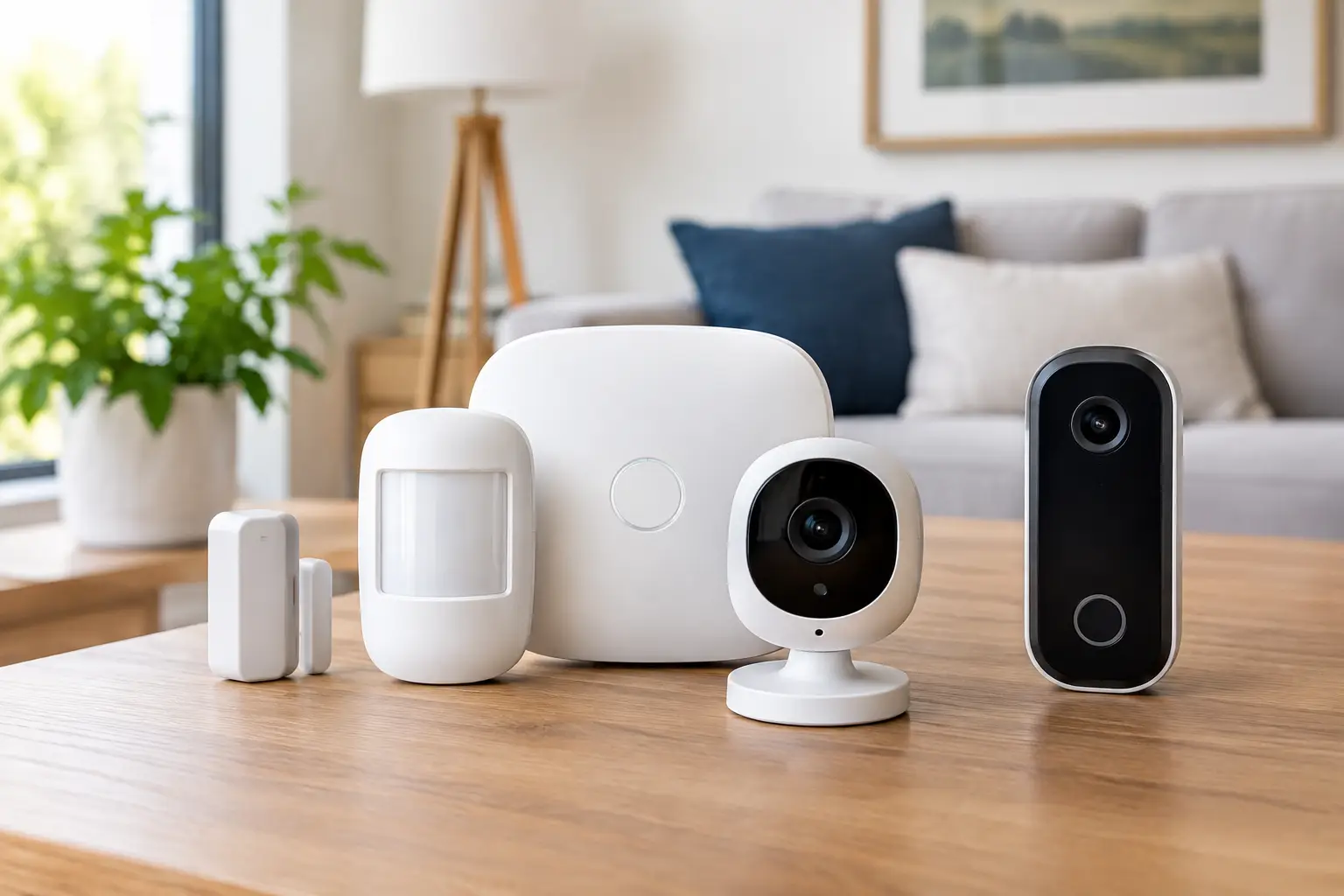
The effectiveness of any business intrusion detection system relies on its “eyes and ears”—a network of strategically placed sensors. Each type is designed to detect a specific kind of threat, and together, they create a complete security perimeter around your assets. Understanding how these components work is the first step in appreciating the system’s power. Fluent Home’s experts design custom commercial intrusion detection solutions by selecting the right mix of sensors for your unique layout and needs.
Door and Window Sensors
These are the front line of perimeter security. Door and window sensors typically use a two-part magnetic contact system. One part is installed on the door or window frame, and the other is on the door or window itself. When the entry point is closed, the two parts are aligned, creating a closed circuit. If the door or window is opened, the contact is broken, instantly triggering an alert. They are simple, reliable, and essential for securing every potential point of entry.
Motion Sensors
Motion sensors for business guard the interior of your property. Most modern sensors use passive infrared (PIR) technology, which detects the heat energy emitted by a person. When the system is armed, the sensor establishes a baseline thermal signature of the room. If a person enters its field of view, the change in heat energy triggers the alarm. Advanced models may use dual technology (infrared and microwave) to reduce false alarms from environmental factors.
Glass Break Sensors
Ideal for businesses with large storefront windows or glass doors, these sensors provide another layer of protection. Acoustic glass break sensors are designed to listen for the specific sound frequency and shockwave of shattering glass. When this distinct acoustic signature is detected, the sensor sends a signal to the control panel. This ensures an alarm is triggered even if an intruder smashes a window without opening it, bypassing a standard contact sensor.
Perimeter and Environmental Sensors
A comprehensive security strategy often goes beyond basic intrusion. Perimeter sensors, such as outdoor beams, can detect intruders before they even reach the building. Additionally, environmental sensors can be integrated into the system to protect against non-human threats. This includes flood detectors in basements or near plumbing, and temperature sensors for server rooms. These components work alongside your intrusion system and can be connected to services like professional fire monitoring, providing a complete safety net for your business assets.

From Detection to Dispatch: The 4-Step Alarm Response Process
Detecting an intrusion is only the first step. The true value of a professionally monitored system lies in the rapid and reliable process that follows a triggered alarm. This sequence turns a potential threat into a verified incident with an emergency response on the way. Here is the 4-step process that protects your business:
- Detection: One of the system’s sensors—a door contact, motion detector, or glass break sensor—is triggered by unauthorized activity. The sensor immediately sends a wireless signal to the central control panel located within your business.
- Alarm: The control panel instantly processes the signal and activates the local alarm. A loud siren sounds on-premises, designed to deter the intruder and alert anyone nearby. Simultaneously, the panel transmits a high-priority alert to the 24/7 professional monitoring center. Fluent Home security systems are cellular-based, ensuring this signal goes through even if your internet is down or power is out.
- Verification: A trained professional at the monitoring center receives the alert within seconds. They immediately execute a verification protocol. This typically involves calling you or your designated contacts to confirm if the alarm is real or a false trigger. This crucial step helps prevent costly false alarm fines and ensures that emergency services are only dispatched for genuine threats.
- Dispatch: Once the threat is verified or if the designated contacts are unreachable, the monitoring professional dispatches the appropriate emergency services—police for a break-in or fire services for a fire alarm. They provide first responders with critical information, such as the business location and the type of alarm, enabling a faster and more effective response. This entire process of 24/7 security monitoring for small businesses is what truly protects your assets when you can’t be there.
Key Security Benefits for Your Business
A commercial intrusion detection system isn’t just an expense; it’s an investment that delivers tangible returns by mitigating risk and protecting your bottom line. By integrating these systems, business owners can solve critical security problems and gain significant advantages. Here are some of the key benefits:
- Theft & Vandalism Deterrence: Visible security components like window decals and outdoor sirens act as a powerful deterrent, making your business a less attractive target for criminals.
- 24/7 Asset Protection: Your inventory, equipment, and sensitive data are protected around the clock, not just during business hours. Professional monitoring ensures that a response is initiated day or night, weekend or holiday.
- Faster Emergency Response: With a verified alarm, police and fire departments often prioritize the call, leading to a quicker response time compared to an unverified alarm. This can be the difference between a small loss and a catastrophic one.
- Reduced Liability and Insurance Costs: A professionally installed and monitored security system demonstrates due diligence in protecting your property and employees. Many insurance providers offer significant discounts on business premiums for properties with monitored security systems. This is just one of many reasons why business owners choose Fluent.
These benefits can be further enhanced by integrating them with other security measures, such as commercial access control systems, which manage who can enter your facility and when. For more insights, you can explore our security blog.

What Types of Businesses Need Intrusion Detection?
While nearly every business can benefit from enhanced security, intrusion detection systems are particularly critical for certain industries where assets are valuable and premises are vulnerable after hours. The system’s components can be customized to fit the unique layout and operational needs of any commercial space.
For a retail store owner in Las Vegas or a tech startup in Denver, protecting high-value inventory and sensitive data is a top priority. A layered system of door sensors, motion detectors, and glass break sensors is essential. Warehouses and distribution centers, with their large, open spaces and multiple entry points like loading bay doors, require robust perimeter security and comprehensive motion detection to cover vast areas.
Professional offices in cities like Salt Lake City or Dallas often need to protect not just physical assets like computers but also invaluable intellectual property. An intrusion detection system integrated with access control ensures that only authorized personnel can enter sensitive areas, even during business hours. Restaurants and hospitality businesses can use these systems to secure liquor storage, cash offices, and equipment overnight. If you have questions about your specific setup, you can always check our list of frequently asked security questions for more information.
Secure Your Business with Professional Intrusion Detection
Don’t leave your assets vulnerable. Protect your business with a system designed for your specific needs. Get a Free Quote today and speak with a Fluent Home security expert about a custom solution.
FAQs
Can a business intrusion detection system work without an internet connection?
Yes. Fluent Home systems are cellular-based, meaning they can communicate with our monitoring center even if your internet goes down or the power is out. This provides a more reliable and secure connection when you need it most.
How is a commercial intrusion system different from a residential one?
Commercial systems are designed for larger, more complex spaces and higher-value assets. They often involve a greater number of sensors, integration with access control, and specialized monitoring protocols tailored to business hours and operations.
What happens when a false alarm is triggered?
Our 24/7 professional monitoring team follows a strict verification protocol. We will attempt to contact you or your designated keyholders to confirm the alarm’s legitimacy before dispatching emergency services, helping to reduce false alarm fees and unnecessary disruptions.