Key Takeaways
- Start by conducting a thorough security needs assessment based on your business size, industry, and specific vulnerabilities.
- Compare essential system components like access control, video surveillance, intrusion detection, and fire monitoring to find the right fit.
- Evaluate providers based on their technology (like cellular-based systems), professional installation, and 24/7 monitoring capabilities.
- Understand the long-term ROI of a security system, including potential insurance discounts, loss prevention, and enhanced operational efficiency.
Choosing a commercial security system is one of the most important decisions you can make for your company. The right system does more than just deter crime; it protects your assets, ensures employee safety, and provides invaluable peace of mind. However, with countless commercial security system options available, knowing where to start can be overwhelming. This guide breaks down the process into five clear steps, helping you select the best commercial security system to safeguard your business today and in the future.
Step 1: Conduct a Business Security Needs Assessment
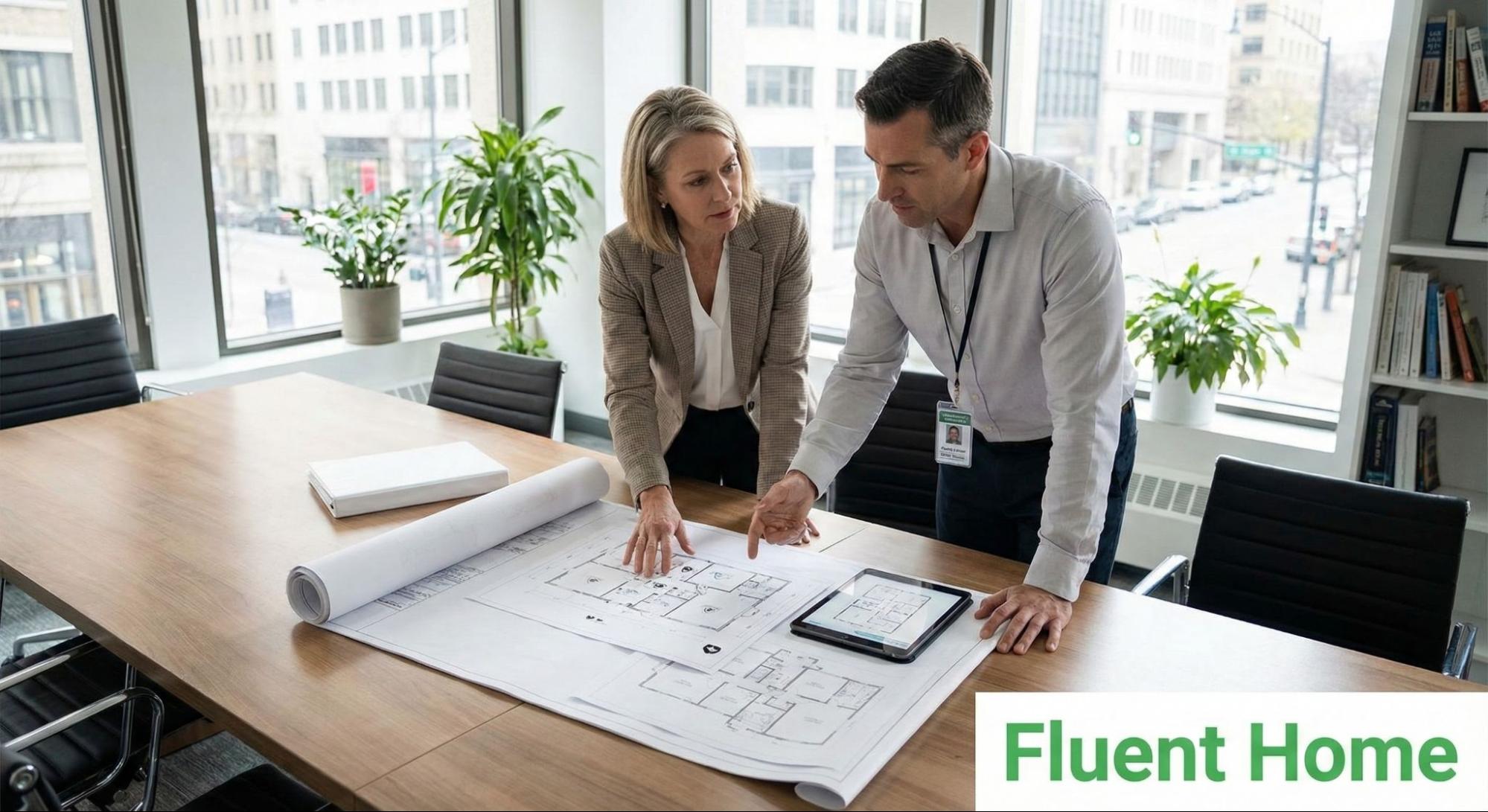
Before you can choose the right system, you must first understand your unique vulnerabilities. A thorough business security needs assessment is the critical first step. This evaluation goes beyond simply wanting cameras; it’s a deep dive into what, where, and why you need protection.
Start by considering your physical location. A retail store in a high-traffic area of Las Vegas faces different risks than a suburban office park in Denver. Analyze local crime statistics and the nature of surrounding businesses. Next, evaluate your business size and layout. A small boutique has different needs than a multi-story office building or a sprawling warehouse. Identify key points of vulnerability, including all entrances, exits, windows, server rooms, and areas where high-value assets are stored.
Finally, think about industry-specific risks. A jewelry store needs robust protection against theft, while a medical office must prioritize patient privacy and access control. Consider your primary assets—are you protecting physical inventory, sensitive digital data, expensive equipment, or all of the above? Answering these questions will create a clear profile of your security needs, forming the foundation for all subsequent decisions.
Step 2: Compare Core Components of a Modern Security System
Once you’ve assessed your needs, you can begin exploring the core components that make up modern, comprehensive commercial security solutions. The goal is to create a layered defense tailored to your specific vulnerabilities.
Commercial Video Surveillance (Cameras)
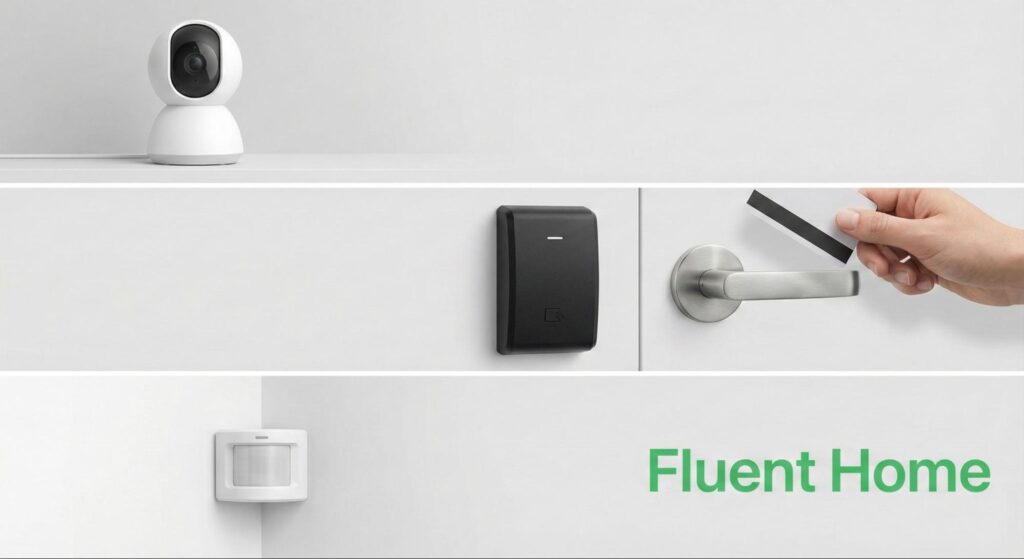
Modern commercial video surveillance is about more than just recording events. Look for systems with high-definition video, night vision, and wide-angle lenses for clear footage day or night. Advanced features like AI-powered analytics can distinguish between people, vehicles, and animals, reducing false alarms. Consider where you need coverage—outdoors to monitor parking lots and entryways, and indoors for reception areas, stock rooms, and sensitive locations.
Access Control Systems
Who should have access to your building, and when? Access control systems provide the answer, replacing traditional keys with key cards, fobs, or mobile credentials. This technology allows you to grant and revoke access permissions instantly, track entry and exit times, and secure specific zones within your facility. It’s an essential tool for protecting sensitive areas and managing employee access without the hassle of re-keying locks.
Intrusion Detection (Sensors)
The core of any security system is its ability to detect an unauthorized presence. Intrusion detection relies on a network of sensors to protect your perimeter and interior spaces. Door and window sensors trigger an alarm if a secured entry point is breached. Motion detectors identify movement within a room, while glass-break sensors are activated by the sound frequency of shattering glass. Together, these components create a powerful deterrent and an immediate alert system.
Fire and Carbon Monoxide Monitoring
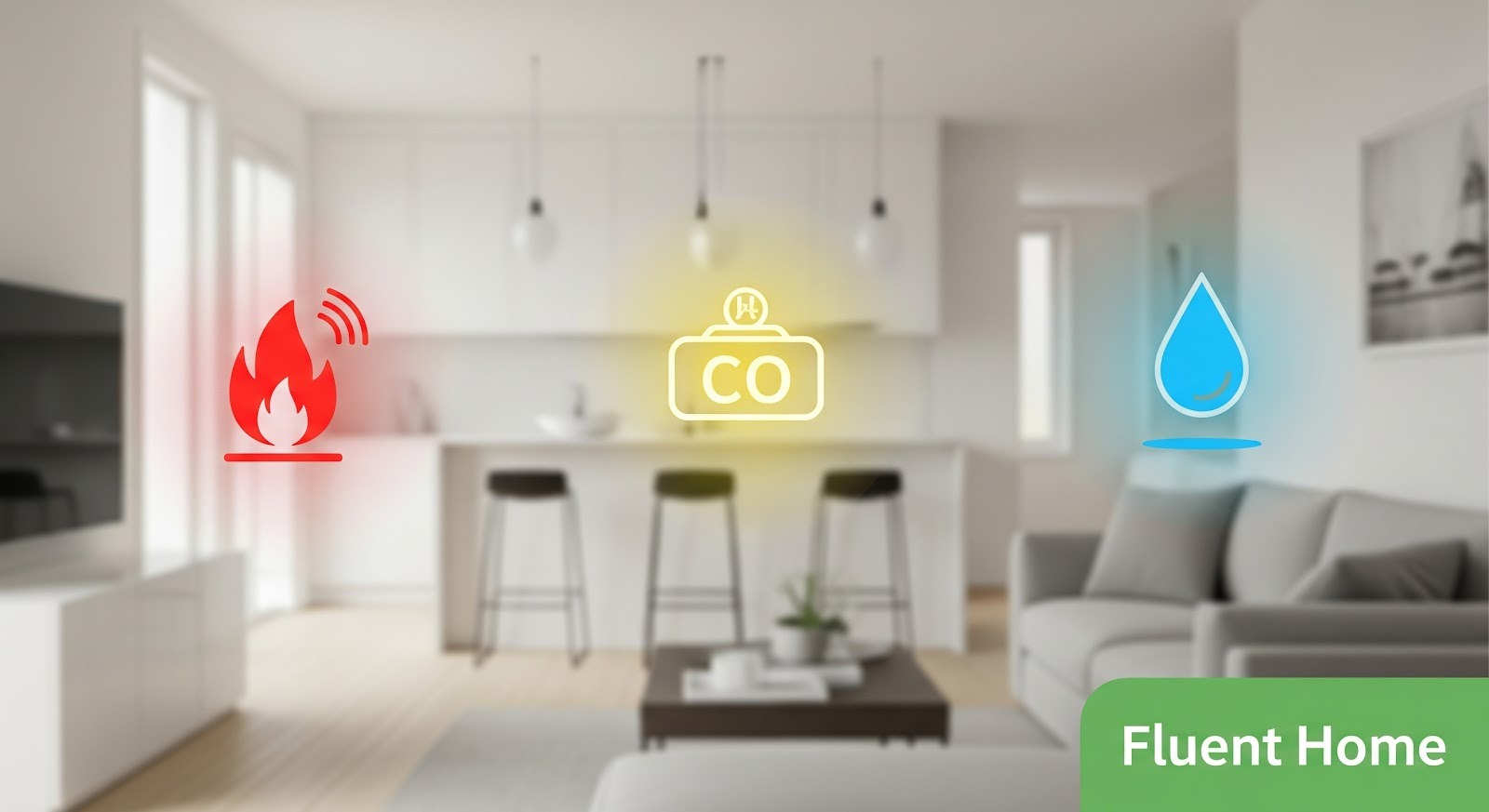
Protecting your business extends beyond theft and vandalism. Integrated fire and carbon monoxide monitoring provides critical, life-saving protection. These professionally monitored detectors ensure that even when your business is empty, emergency services will be dispatched at the first sign of smoke, heat, or dangerous gas levels, potentially saving your inventory and your entire building.
Security Automation
Smart security automation integrates your security components with other business systems for enhanced control and efficiency. Imagine being able to remotely lock doors, adjust thermostats, and control lighting from a single app. Automation allows you to create schedules, receive custom alerts, and manage your property from anywhere, saving time and energy while boosting security.
Step 3: Evaluate Scalability, Integration, and Monitoring
The best commercial security system for your business is one that not only meets your current needs but can also adapt to your future growth. As your company expands, your security requirements will evolve. A scalable system allows you to easily add new cameras, sensors, or access points without needing a complete overhaul. Look for providers that offer modular solutions that can grow with you.
Integration capabilities are equally important. Your security system shouldn’t operate in a silo. Modern systems can integrate with other smart business tools, from lighting controls to energy management systems, creating a more cohesive and efficient operational environment. Cloud connectivity is central to this, enabling remote access and management via a smartphone or web portal. This gives you the power to check in on your business, review footage, and manage user access from anywhere in the world.
Perhaps the most critical consideration is the type of monitoring. While self-monitored systems send alerts directly to your phone, they place the entire burden of response on you. For most businesses, 24/7 professional monitoring is the superior choice. With this service, a dedicated team of security experts is always on standby. When an alarm is triggered, they verify the threat and dispatch the appropriate emergency services on your behalf, ensuring a rapid and effective response, day or night.
Step 4: Calculate the Potential Return on Investment (ROI)
It’s easy to view a security system as just another business expense, but it’s more accurately an investment with a tangible return. The most obvious ROI comes from loss prevention. By deterring theft, vandalism, and employee misconduct, a robust system directly protects your bottom line and physical assets.
Beyond direct prevention, there are significant indirect financial benefits. Many insurance providers offer substantial discounts on business insurance premiums for properties with professionally installed and monitored security systems. These savings alone can often offset a significant portion of the system’s monthly cost.
Furthermore, a comprehensive security system can enhance operational efficiency. Video surveillance can be used to monitor productivity, ensure safety compliance, and resolve workplace disputes. Access control logs create a clear record of who was where and when, simplifying timekeeping and accountability. Investing in security is an investment in a safer, more efficient, and more profitable business. If you’d like to see more articles like this, check out our recent security articles for additional insights.

Step 5: How to Vet a Security Provider
Choosing the right technology is only half the battle; choosing the right partner to install and support it is just as crucial. When vetting a security provider, ask pointed questions to ensure you’re working with a reputable and reliable company.
Here is a simple checklist to guide your evaluation:
- Experience and Reputation: How many years have they been in business? Can they provide testimonials or case studies from businesses similar to yours?
- Technology: Do they use modern, reliable technology? A key feature to ask about is cellular backup, which ensures your system stays connected even if the internet goes down.
- Installation Process: Do they offer professional installation? Expert installation is vital for commercial systems to ensure optimal sensor placement, camera angles, and system calibration, minimizing weak spots and false alarms.
- Monitoring Services: Is their monitoring station UL-certified? Do they own and operate their own monitoring center, or is it outsourced?
- Customer Support: What kind of technical support and customer service do they offer? Is help available 24/7?
A trustworthy provider will be transparent about their services, technology, and pricing. You can learn why businesses trust Fluent Home and our commitment to providing top-tier, reliable security solutions.
Secure Your Business with a Custom Solution
Choosing the right security system is a critical business decision. Our experts are here to help you design a solution tailored to your company’s unique needs. Get a free, no-obligation quote today.
FAQs
How much does a commercial security system cost?
The cost varies widely based on your business size, the number of sensors and cameras needed, and the level of monitoring services. We provide custom quotes to ensure you only pay for the protection you actually need.
What is the difference between residential and commercial security systems?
Commercial systems are typically more robust, designed to cover larger areas, manage multiple user access levels (access control), and meet specific business regulations. They are built for higher traffic and more complex security challenges.
Is professional installation necessary for a business security system?
While some simple systems offer DIY options, professional installation is highly recommended for businesses. It ensures optimal camera placement, correct sensor calibration, and reliable integration of all components, minimizing vulnerabilities and false alarms.
How does 24/7 monitoring for a business work?
With 24/7 professional monitoring, a dedicated team of security experts is immediately alerted when a sensor is triggered at your business. They verify the alarm and dispatch emergency services (police or fire) on your behalf, ensuring a rapid response day or night.