Key Takeaways
- Strategic Locations: The most effective spots for floodlight cameras are over garages, above back doors, along dark side-yards, and overlooking key entry points like gates.
- Optimal Height: Installing a floodlight camera 9 to 15 feet high prevents tampering while ensuring a clear, wide field of view and effective motion detection.
- Professional Installation: Correct placement involves proper wiring and precise aiming to maximize AI features and avoid blind spots, making professional setup the safest option.
- Avoid Common Mistakes: Do not point cameras directly at public areas to respect privacy, or at sources of bright light, which can interfere with image quality.
Why Strategic Floodlight Camera Placement is Your First Line of Defense
A floodlight camera is one of the most powerful tools in modern home security, but its effectiveness hinges entirely on one factor: placement. Deciding where to install a floodlight camera is about much more than just catching a glimpse of a potential intruder. It’s about creating an active deterrent that stops criminals before they even try to enter your property.
A well-placed camera does two things simultaneously. First, its bright, motion-activated lights instantly eliminate dark hiding spots, putting any would-be burglar in the spotlight. This sudden exposure is often enough to send them running. Second, it captures clear, high-definition video evidence that can be crucial for law enforcement if an incident does occur.
Strategic placement turns a passive recording device into a proactive security shield. By covering the most vulnerable areas of your property, you create overlapping fields of vision and illumination, leaving no shadow for threats to hide in. Understanding the benefits of a professional home security system starts with recognizing that expert placement is the foundation of true protection.
The 4 Best Places to Install a Floodlight Camera at Home
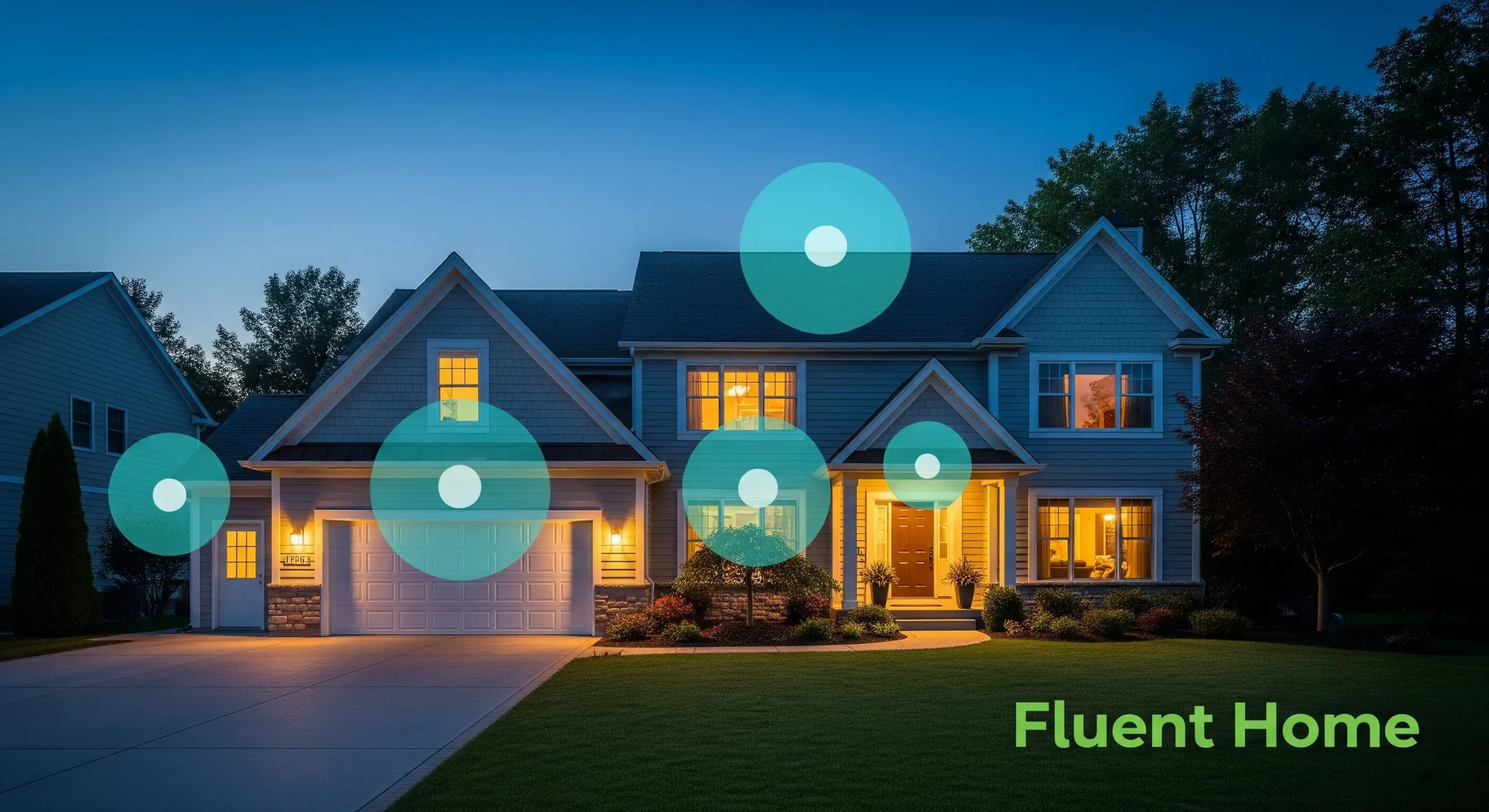
Every home has unique vulnerabilities, but most properties share common weak points that intruders look to exploit. When planning your outdoor lighting camera placement, think like a burglar and identify the paths of least resistance. Here are the four most critical locations to secure with a floodlight camera.
Above the Garage Door
The driveway is a primary entry point for both vehicles and people, making the area above the garage the number one spot for a floodlight camera. Mounting a camera here provides a commanding view of your driveway, front yard, and the sidewalk leading to your home. It can alert you to unexpected vehicles pulling in, packages being delivered, or anyone loitering near your property. This location works perfectly in tandem with smart doorbell cameras to provide comprehensive front-of-house coverage.
Over the Back or Patio Door
The rear of your home is often the most vulnerable area because it’s typically shielded from street view. Back doors, sliding glass doors, and patio entrances are common targets for break-ins. Installing a floodlight camera here illuminates this secluded space, instantly removing the cover of darkness that intruders rely on. It ensures that any activity at your home’s rear entry points is immediately lit up and recorded.
Along Dark Side-Yards and Walkways
The narrow passages along the sides of your house are perfect corridors for intruders to move undetected, especially at night. These areas are often unlit and out of sight, providing a hidden path to your backyard or basement windows. Proper floodlight camera placement along a side-yard wall or fence line eliminates these shadowy pathways, sending a clear message that your entire property is monitored. This is a key component of complete outdoor security camera systems.
Overlooking Key Entry Points (Gates, Sheds)
Your security perimeter extends beyond your home’s immediate walls. Gates leading to the backyard, detached sheds with valuable tools, or basement access points are all secondary locations that require monitoring. A floodlight camera aimed at these entry points ensures that every part of your property is a hard target. You can monitor who comes and goes through your gate and protect valuable assets stored in outbuildings.
Key Installation Factors: Height, Angles, and Wiring
Once you’ve identified the best spots, the technical details of the installation become critical. Proper mounting height, camera angle, and secure wiring can mean the difference between a reliable security asset and a frustrating gadget. These factors are why professional installation is highly recommended to avoid common pitfalls and maximize your investment.
Finding the Optimal Mounting Height
The ideal mounting height for a floodlight camera is between 9 and 15 feet off the ground. This range achieves two important goals:
- It’s high enough to be out of easy reach, preventing a would-be intruder from tampering with or disabling it.
- It’s low enough to capture clear facial details and provide a useful viewing angle of the ground below.
Mounting it too low makes it a target, while mounting it too high can reduce motion detection accuracy and make it difficult to identify individuals.
Aiming Your Camera to Avoid Blind Spots
Aiming your floodlight camera correctly is essential for eliminating security camera blind spots. The goal is to cover the most likely paths of approach to a door or window. The camera should be angled slightly downward to capture the ground area directly in front of the entry point, not just the area far away. When setting up motion detection zones through the Fluent Smart Home App, you can customize the sensitive areas to reduce false alarms from passing cars or pets.
The Importance of Safe and Secure Wiring
Unlike battery-powered cameras, a high-performance floodlight camera requires a hardwired electrical connection to power its bright lights and advanced AI features. A DIY floodlight camera install can be risky if you’re not experienced with electrical work. Professional wiring ensures the connection is safe, weatherproof, and up to code. Our technicians ensure that our smart floodlight security camera is installed perfectly for reliable performance and access to 24/7 professional security monitoring.
Common Placement Mistakes to Avoid
Knowing where to install a floodlight camera also means knowing where not to install it. Avoiding these common mistakes will improve your camera’s performance, respect your community, and ensure you get the reliable security you expect.
Respecting Neighbor’s Privacy
Your security shouldn’t come at the expense of your neighbor’s privacy. Never aim a camera directly into a neighbor’s windows, backyard, or private spaces. Most modern security cameras have privacy zone features that allow you to black out certain areas of the camera’s view. Being a good neighbor is a key part of creating a secure community.
Avoiding Direct Light Sources
Pointing your camera directly at a strong light source—like a streetlight, porch light, or even the rising sun—can cause lens flare and glare. This drastically reduces image quality, creating a washed-out picture where it’s impossible to see details. When choosing a location, check for competing light sources and adjust the angle to avoid them.
Forgetting About Wi-Fi Signal Strength
Many floodlight cameras rely on a strong Wi-Fi signal to stream video and send alerts. If you install a camera at the edge of your Wi-Fi range, you’ll likely experience lag, dropped connections, and unreliable performance. This is one of the key reasons why homeowners choose Fluent; our systems utilize more reliable cellular-based technology, so your security stays online even when your internet goes down. For more helpful information, check out our home security blog.
Illuminate Your Security with a Professional Setup
Ready to get the perfect floodlight camera placement without the guesswork? Proper installation is the final, critical step in transforming a powerful device into a seamless part of your home’s defense. Our experts handle the complex wiring, precise aiming, and system setup to ensure you get optimal performance and peace of mind from day one. Get your free quote today.
FAQs
How high should a floodlight camera be mounted?
The ideal height for a floodlight camera is between 9 and 15 feet off the ground. This is high enough to prevent easy tampering but low enough to capture clear facial details and effectively illuminate the area.
Can a floodlight camera be installed under an eave or soffit?
Yes, installing a floodlight camera under an eave or soffit is an excellent way to protect it from the elements. Just ensure the placement doesn’t obstruct the camera’s view or the floodlight’s range of motion.
Do floodlight cameras need to be hardwired?
Most high-performance floodlight cameras require a hardwired connection to power both the bright lights and the camera’s advanced features, like 24/7 recording. Professional installation ensures this is done safely and correctly.
Where should you NOT put a floodlight camera?
Avoid pointing a floodlight camera directly at a neighbor’s property, windows, or public streets to respect privacy. Also, avoid aiming it at strong light sources, like streetlights, which can cause lens flare and reduce video quality.