Key Takeaways
- Home security systems, like all technology, have a finite lifespan, typically 7-15 years, with components requiring updates even sooner.
- Key indicators for an upgrade include outdated technology (e.g., wired-only systems, analog cameras), frequent false alarms, lack of remote access, and inability to integrate with smart home devices.
- Relying on an older system can lead to vulnerabilities, such as easier bypassing by criminals, compatibility issues with new technology, and delayed emergency response times.
- Modern, professionally monitored smart security systems offer enhanced protection through features like AI-powered cameras, real-time monitoring, remote control via mobile apps, and seamless smart home integration.
- Life events like moving, home renovations, family changes, or increased travel should also prompt a review of your security system’s adequacy.
- Upgrading improves overall safety, reliability, and convenience, and may reduce insurance premiums and energy costs.
The Evolving Landscape of Home Security Technology
Just as smartphones and computers have undergone a massive transformation, home security technology has undergone a similar transformation. Not long ago, the standard was a basic, wired alarm that made a loud noise. Today, that’s ancient history. The industry has shifted dramatically towards sophisticated, smart, and wireless systems that offer comprehensive protection and unparalleled convenience.
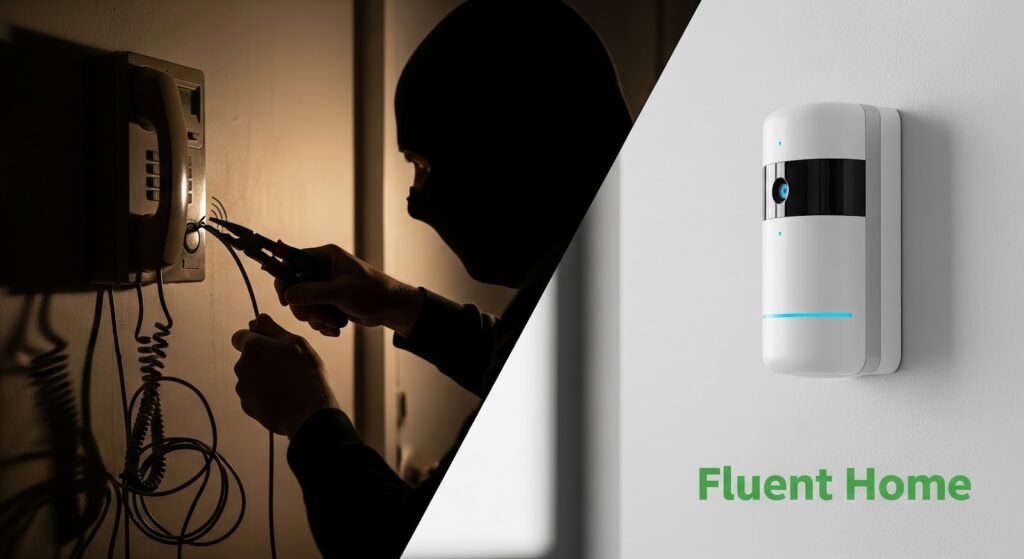
The biggest leap has been in communication and control. Old systems relied on vulnerable landlines to contact monitoring centers. Modern systems use secure and reliable cellular communication, eliminating the risk of a burglar simply cutting a phone line. This is paired with the rise of mobile control; homeowners now expect to arm, disarm, and monitor their homes from anywhere in the world using a smartphone app. Intelligent features like AI-powered cameras, video verification, and seamless smart home integration have moved from luxury add-ons to the new standard for protecting your home and family.
Clear Signs Your Home Security System Is Outdated
Is your security system keeping up, or is it leaving you vulnerable? An outdated system can give you a false sense of security while failing to protect you from modern threats. Here are the clear indicators that it’s time for a change.
Age and Equipment Wear-and-Tear
Like any electronic device, security systems have a limited lifespan. Most experts agree that a full system refresh is needed every 7 to 15 years. Individual components can fail even sooner. Control panel batteries typically last 3-5 years, while cameras and sensors can degrade over time, especially if exposed to the elements. As equipment ages, its performance becomes less reliable, leading to potential malfunctions when you need it most.
Lack of Modern Features and Connectivity
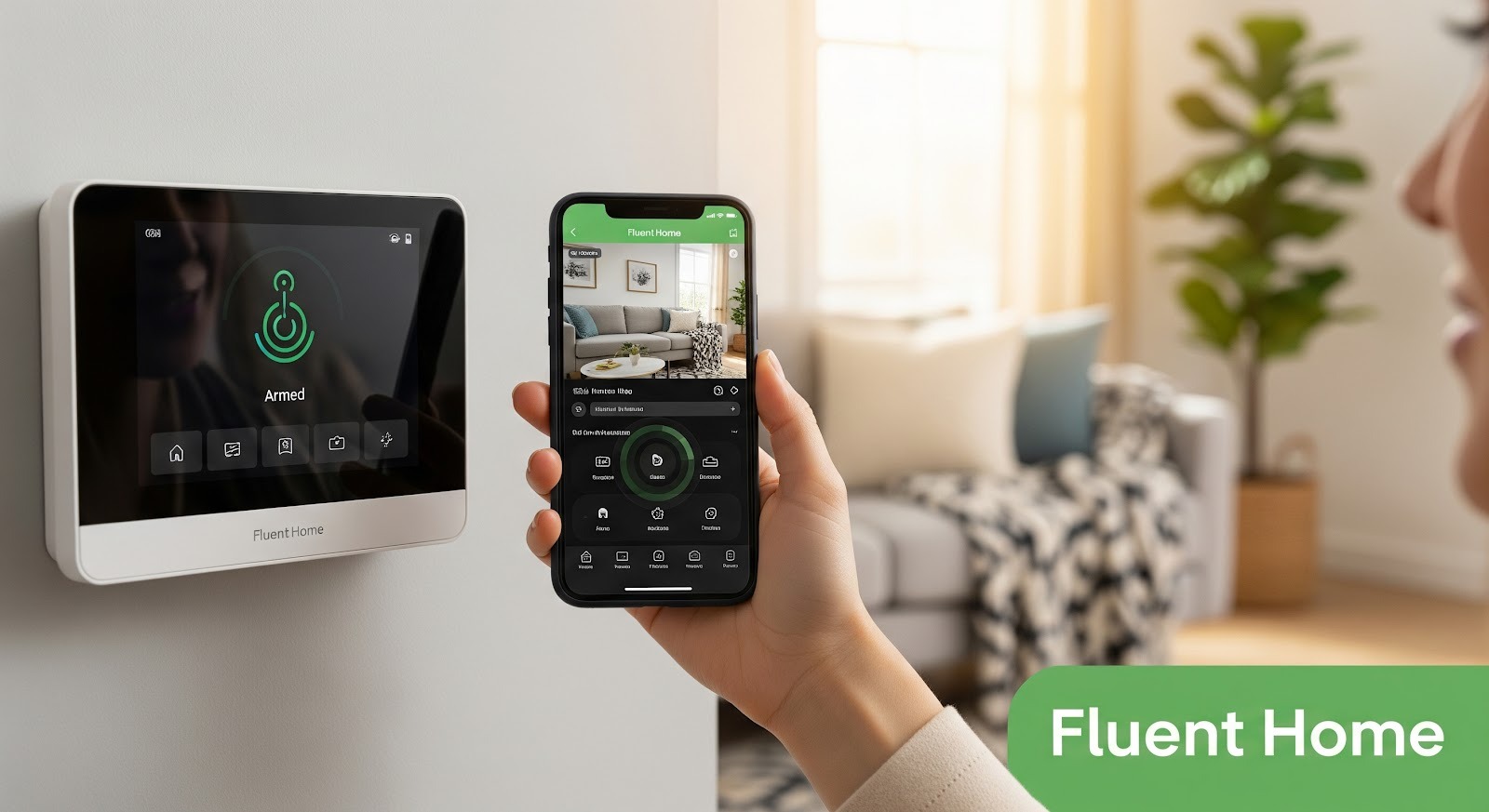
Technology moves fast, and a system that was state-of-the-art a decade ago is likely missing critical features today. If your system can’t be controlled by your phone through a tool like the Fluent Smart Home App, you’re missing out on essential remote access. Other signs of outdated technology include:
- No integration with smart home devices (lights, locks, thermostats).
- Low-resolution, grainy video from analog cameras.
- A lack of two-way audio features in cameras or doorbells.
- Dependence on a physical landline for monitoring.
- No cellular backup to keep your system online during an internet or power outage.
An inability to connect with modern devices or access your system remotely isn’t just an inconvenience; it’s a significant security gap.
Risks of Relying on Legacy Alarm Technology
Holding onto an old alarm system isn’t just about missing new features; it actively puts your home at greater risk. Criminals are aware of the weaknesses in older technology and know how to exploit them, while system failures can leave you completely unprotected.
Increased Vulnerability to Sophisticated Threats
Legacy security systems were not designed to counter modern intrusion techniques. Systems that rely on landlines can be defeated by simply cutting the phone line from outside the house. Older wireless systems may use unencrypted signals that can be jammed or hacked. Without the digital safeguards and advanced intrusion detection capabilities of today’s technology, you are left exposed to threats that have long been solved by the security industry.
Diminished Reliability and False Alarms
Aging components are a primary cause of system malfunctions. As sensors and wiring wear out, the frequency of false alarms often increases. These not only cause unnecessary stress but can also lead to hefty fines from local emergency services. Worse than a false alarm is no alarm at all. An aging system could fail to trigger during a real break-in, fire, or other emergency, completely undermining its purpose and your trust in its ability to protect you. This is why dependable 24/7 Monitoring is so crucial.
Life Events That Prompt an Immediate Security Upgrade
Sometimes, the need for a security upgrade isn’t driven by technology, but by life itself. Major life changes can alter your security needs, making your current system insufficient.
Consider an upgrade if you experience any of the following:
- Moving into a New Home: A previous owner’s system may be outdated, unsupported, or have unknown security gaps. It’s always best to start fresh with a system tailored to your family’s needs.
- Major Home Renovations: Adding new windows, doors, or expanding your home’s footprint creates new entry points that need protection.
- Changes in Your Family: The arrival of a new baby, children becoming old enough to stay home alone, or an elderly parent moving in can all change your security and monitoring priorities.
- Increased Travel: If you’re spending more time away from home for work or leisure, the ability to remotely monitor your property becomes essential for peace of mind.
The Transformative Benefits of Modern Smart Security Systems
Upgrading to a modern system isn’t just about plugging security holes; it’s about transforming how you protect and manage your home. Today’s smart security systems offer a level of protection, convenience, and peace of mind that older technology simply cannot match.
Enhanced Protection and Faster Response
The primary benefit of an upgrade is superior security. Modern systems use advanced technology for smarter and faster threat detection.
- AI-Powered Cameras: Modern home security features like AI-powered cameras can distinguish between people, pets, and vehicles, reducing false alarms and ensuring you’re only alerted to genuine threats.
- Video Verification: When an alarm is triggered, monitoring professionals can review video clips to verify a genuine emergency, enabling faster police dispatch.
- Comprehensive Environmental Monitoring: Modern systems go beyond break-ins. They integrate seamlessly with smoke detectors and offer services for both fire monitoring and CO monitoring, providing a complete safety net.
Smart Integration, Control, and Convenience
A key advantage of a modern system is its role as the hub of your smart home. This integration enhances both security and daily life. You can create automated routines, such as having your doors lock and lights turn off when you arm the system.
With a central Fluent Control Panel and mobile app, you can remotely manage your entire home, from locking and unlocking smart doorlocks for a visitor to adjusting the thermostat to save energy. This level of control provides unmatched convenience and ensures your home is always secure.
Addressing Common Concerns: Cost, Complexity, and Disruption
The idea of replacing a security system can seem daunting. Homeowners often worry about the cost, the complexity of new technology, and the disruption of installation. However, a professional provider can make the process smooth and affordable. Furthermore, the return on investment is significant. An upgraded system not only provides invaluable peace of mind but can also lead to tangible savings. Many insurance providers offer discounts for homes with professionally monitored security, which can help offset the cost. You can learn more about how security systems lower home insurance on our blog.
Deciding When to Act: Upgrade Now or Risk Waiting?
Waiting to upgrade your home security system is a gamble. Every day you rely on outdated technology, you’re accepting unnecessary risks that could compromise the safety of your family and property. The signs of an obsolete system, from frequent false alarms to a lack of remote access, are clear warnings that your first line of defense is failing.
By proactively upgrading to a modern, integrated home security system, you are investing in reliability, advanced protection, and true peace of mind. Don’t wait for a system failure or a security breach to force your hand. Take control of your home’s safety today. Get a Free Quote today.
FAQs
Q1: How long does a typical home security system last before needing an upgrade?
A1: A home security system generally lasts between 7 to 15 years, though individual components like cameras, batteries, and sensors may require replacement or upgrades sooner due to technological advancements and wear.
Q2: What are the main risks of keeping an outdated home security system?
A2: Relying on outdated systems can increase vulnerability to modern intrusion methods, lead to frequent false alarms, cause compatibility issues with newer smart home technology, and delay emergency response times due to reliance on older communication methods like landlines.
Q3: Can I upgrade only certain parts of my existing security system?
A3: It is often possible to upgrade specific components of an existing security system, such as control panels, cameras, or sensors, especially if they are compatible with modern technologies or if your provider offers modular solutions. However, a full system replacement may be more beneficial for significantly older systems.
Q4: How do modern smart security systems improve my home’s protection?
A4: Modern smart security systems enhance protection through features like AI-powered cameras, 24/7 professional monitoring with video verification, remote access via mobile apps, instant alerts, and seamless integration with other smart home devices for comprehensive coverage and faster emergency response.
Q5: Will upgrading my home security system save me money in the long run?
A5: Upgrading to a modern home security system can offer long-term savings through potential reductions in home insurance premiums and improved energy efficiency when integrated with smart home devices like thermostats and lighting. It also reduces the risk of costly losses from security breaches or system failures.