Key Takeaways
- Access control is a security method that regulates who can view or use resources in a business environment, from physical entry to digital files.
- Modern systems include keycards, mobile credentials, biometrics, and cloud-based platforms for flexible and scalable security.
- Key benefits include preventing unauthorized access, protecting physical and digital assets, improving employee safety, and creating a detailed audit trail.
- Integrating access control with security cameras and intrusion detection creates a comprehensive, layered security strategy for your business.
The Foundation of Modern Business Security
Relying on a standard lock and key leaves your business vulnerable to lost keys, unauthorized copies, and untracked entry. To truly protect your assets, you need a system that offers visibility and control. At its core, access control dictates exactly who can go where and when, ensuring that only authorized personnel can enter specific areas.
For any modern business, whether it’s a bustling office in Denver, CO, or a growing retail space in Las Vegas, NV, implementing a robust access control system is the first step toward building a truly secure environment. It moves security from a passive measure (a lock) to an active, intelligent system that you can manage, monitor, and adapt to your unique operational needs. This foundational layer provides control and visibility, forming the backbone of a comprehensive security strategy.
What Are the Main Types of Access Control Systems?
Choosing the right access control technology is crucial for balancing security, convenience, and budget. Modern business access control systems offer a range of options, each with distinct advantages. Understanding these types helps facility managers and business owners select the solution that best fits their workflow and security requirements.
Keycard and Fob Systems
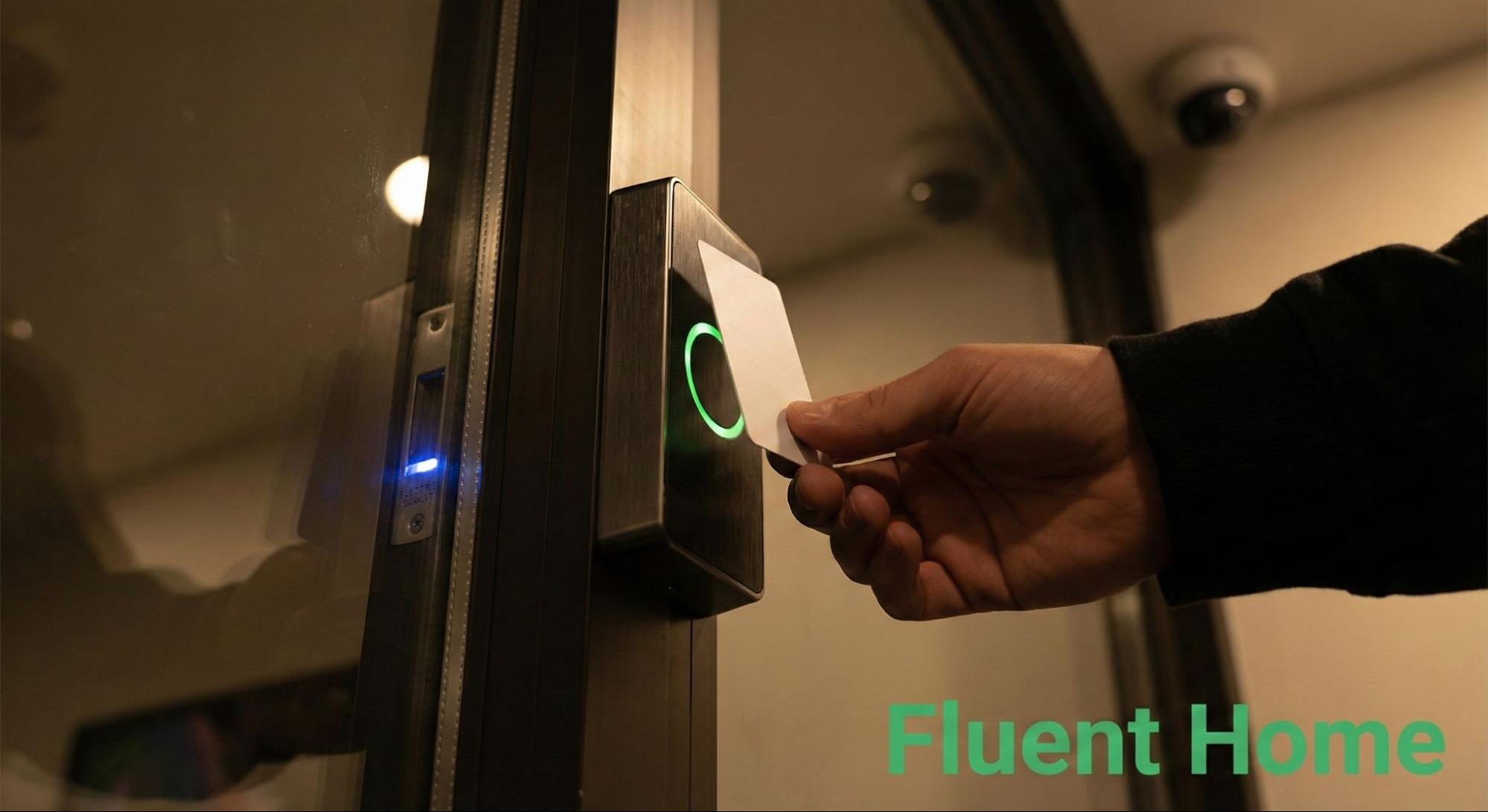
Keycard and fob systems are one of the most common and reliable forms of access control. Employees are issued a credential—either a card or a small fob—that they present to a reader to unlock a door. These systems are easy to manage; if a card is lost or an employee leaves the company, an administrator can instantly deactivate it, eliminating the security risk and cost associated with changing locks.
Mobile Access Control (Using Smartphones)
Leveraging the device everyone already carries, mobile access control uses smartphones as credentials. Employees can unlock doors using a dedicated app, often with a simple tap or by holding their phone near a reader. This method offers incredible convenience and is a key component of providing smart security for your business. It also allows for remote “buzz-in” capabilities for visitors and deliveries, managed from anywhere.
Keypad and PIN Code Entry
Keypad systems require users to enter a Personal Identification Number (PIN) to gain access. They are a simple and effective solution, as there are no physical credentials to lose or manage. For enhanced security, businesses can assign unique codes to each employee and change them easily, or use a combination of a PIN and a keycard for two-factor authentication.
Biometric Systems (Fingerprint, Facial Recognition)
For high-security areas like server rooms or data centers, biometric systems offer the ultimate level of protection. By using unique biological traits such as fingerprints, facial features, or iris patterns, these systems ensure that the person entering is exactly who they claim to be. This technology virtually eliminates the risk of credential sharing or theft.
Cloud-Based Access Control
Modern security is moving to the cloud, and for good reason. Cloud-based systems allow you to manage your entire access control infrastructure from a web portal or mobile app. You can add or remove users, change permissions, view activity logs, and lock or unlock doors remotely. This flexibility makes it easy to scale security as your business grows and is central to Fluent Home’s commercial access control solutions.
Top 5 Benefits of a Commercial Access Control System
Implementing a commercial access control system goes far beyond simply replacing keys. It delivers tangible benefits that enhance security, improve operational efficiency, and provide invaluable peace of mind for business owners and managers.
Restrict Unauthorized Entry and Protect Assets
The primary benefit of any access control system is preventing unauthorized individuals from entering your facility or restricted areas within it. This protects your physical assets—like computers, inventory, and equipment—from theft and vandalism. It also safeguards your intellectual property and sensitive data by ensuring only cleared personnel can access server rooms or file storage areas.
Enhance Employee and Visitor Safety
A secure workplace is a safe workplace. By controlling who can enter your building, you create a safer environment for your employees and visitors, reducing the risk of workplace incidents. Knowing that the premises are protected by more than just a simple lock allows your team to focus on their work with confidence. This is further enhanced by integrating 24/7 security monitoring, which provides a professional response in case of an emergency.
Create a Digital Audit Trail
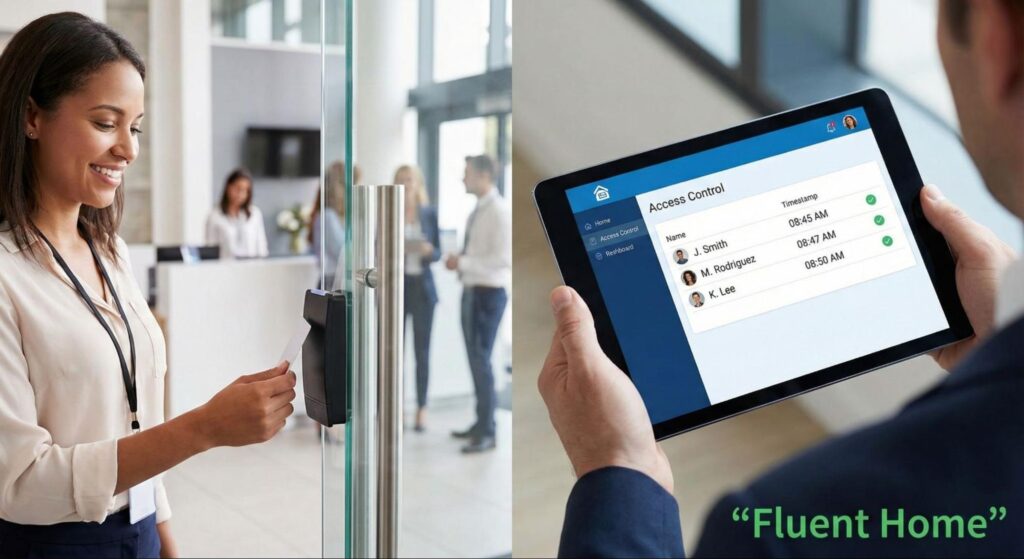
Unlike traditional keys, electronic access control systems create a detailed log of every entry event. The system records who accessed a specific door and at what time. This digital audit trail is invaluable for investigating incidents, tracking movement patterns, and ensuring compliance with industry regulations. If a security breach occurs, you can quickly pinpoint who was in the area at the time.
Eliminate the Risk of Lost Keys
Lost or stolen keys pose a significant security threat and can be costly to address, often requiring you to rekey multiple locks. With an access control system using credentials like cards or fobs, you can simply deactivate the lost credential in seconds, rendering it useless. This is a faster, cheaper, and more secure solution than replacing physical hardware, especially when using advanced smart door locks.
Simplify Employee Access Management
Managing access for a dynamic workforce is simple with a centralized system. When a new employee starts, you can grant them access to specific doors based on their role and schedule. When an employee leaves, their access can be revoked instantly from all entry points with a single click. This streamlined process, known as role-based access control (RBAC), saves administrative time and eliminates human error.
Integrating Access Control with Your Broader Security Strategy
While powerful on its own, an access control system becomes even more effective when it serves as the central hub of an integrated security ecosystem. By creating a layered defense, you eliminate blind spots and streamline daily operations.
When you pair access control with a business security camera system, you gain visual verification for every access event. For example, the system can be configured to automatically record video whenever a specific door is opened, providing clear context for the audit trail. Integration with commercial intrusion detection allows employees to arm or disarm the alarm system using their access credentials, simplifying daily opening and closing procedures. Furthermore, connecting with fire monitoring services can ensure that all doors automatically unlock during a fire emergency to allow for safe and rapid evacuation.
What Kind of Businesses Need Access Control?
Virtually every business can benefit from upgrading to a modern access control system, but for some industries, it is an operational necessity. Helping business owners find the right solution is a key reason why business owners choose Fluent Home for their security needs.
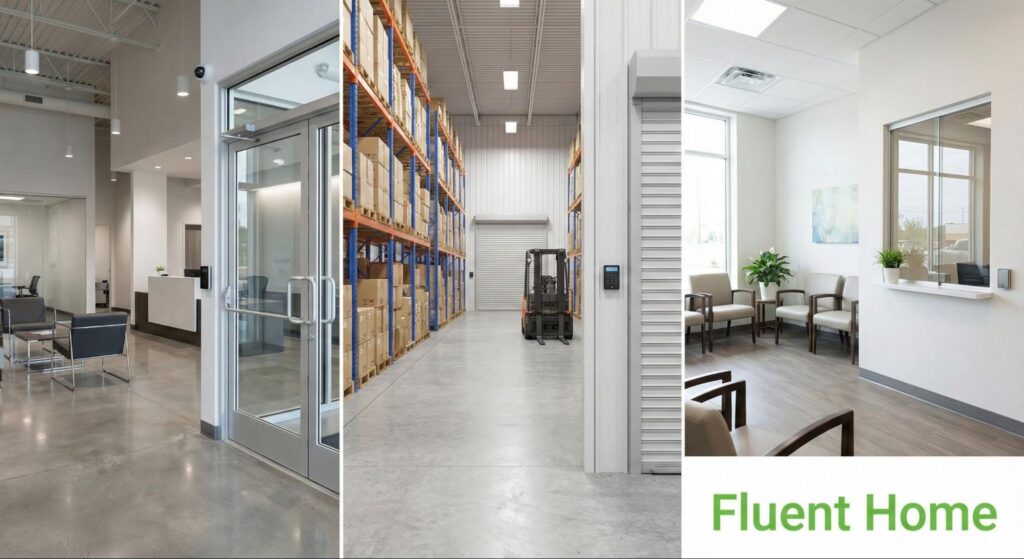
- Offices: Protect valuable IT equipment, sensitive client data, and employee-only areas like HR and finance departments.
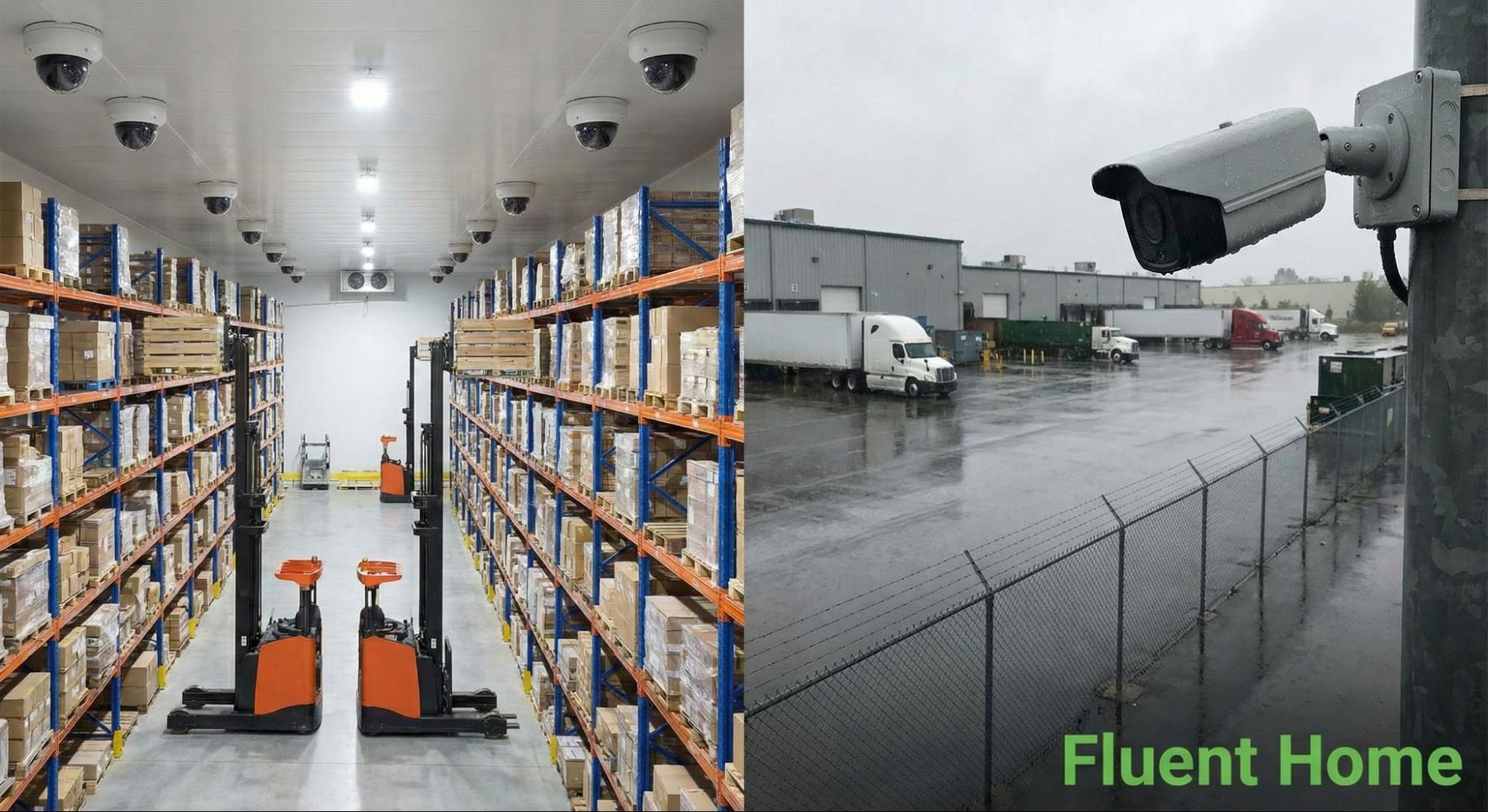
- Warehouses & Distribution Centers: Secure high-value inventory, prevent shrinkage, and control access to loading docks and storage cages.
- Retail Stores: Limit access to stockrooms and cash offices to prevent internal and external theft.
- Medical & Dental Facilities: Ensure HIPAA compliance by securing patient records, labs, and pharmaceutical storage areas.
- Multi-Tenant Buildings: Manage access for hundreds of tenants and employees across common areas, elevators, and individual office suites.
No matter your industry, a tailored access control system can address your specific security challenges. To discover the best fit for your facility, it’s always a good idea to speak with a security expert.
Secure Your Premises with a Custom Fluent System
Ready to take control of who enters your building? Our experts design and install access control systems tailored to the unique needs of your business. Get a free quote today to assess your business’s unique vulnerabilities and needs.
FAQs
What is role-based access control (RBAC)?
Role-based access control is a method of restricting system access to authorized users based on their specific roles within an organization. For example, an accountant might have access to financial offices, while a warehouse employee’s credentials would only work for the loading docks.
Can I manage a business access control system remotely?
Yes, modern cloud-based access control systems allow you to manage user permissions, view access logs, and even lock or unlock doors remotely using a smartphone app or web portal, giving you full control from anywhere.
How does access control improve on traditional locks and keys?
Access control systems eliminate the security risks of lost or duplicated keys. You can instantly revoke access for a former employee, track every entry, and set time-based permissions, offering a level of control and data that traditional locks cannot provide.