Key Takeaways
- Traditional smoke, CO, and flood detectors offer basic alerts but often fall short in modern homes, especially when unmonitored or disconnected.
- Smart safety devices offer advanced features such as mobile alerts, professional monitoring, and integration with home automation, significantly reducing response times and potential damage.
- Upgrading to smart, professionally monitored detectors offers enhanced protection against fire, carbon monoxide, and water damage, providing homeowners greater peace of mind.
- The initial investment in smart safety technology is offset by the potential for avoided losses, insurance benefits, and the comprehensive security offered.
- Homeowners considering an upgrade should evaluate the comprehensive benefits of smart, monitored solutions to protect their families and property more effectively.
The Evolving Landscape of Home Safety: Why Traditional Alarms Aren’t Enough
For decades, the familiar chirp of a smoke alarm was the gold standard in home safety. These standalone devices were a revolutionary step forward, saving countless lives by providing a crucial early warning. However, as our homes have become more complex and filled with advanced electronics and new building materials, the nature of household risks has also evolved. A simple, battery-operated alarm in the hallway, while still essential, no longer represents a comprehensive safety strategy.
Modern homes face a variety of threats that can escalate rapidly. A fire can engulf a room in minutes, a carbon monoxide leak can incapacitate a family silently, and a burst pipe can cause catastrophic water damage before anyone even realizes the problem. The core limitation of traditional alarms is that they are passive: they make a loud noise but rely entirely on someone being home, awake, and able to respond appropriately. If you’re at work, on vacation, or asleep, a local alarm does little to summon the help you desperately need. This is the critical gap that modern smart safety devices are designed to fill, transforming home protection from a passive warning system into an active, responsive shield.
Understanding the Silent Threats: Fire, Carbon Monoxide, and Water Damage
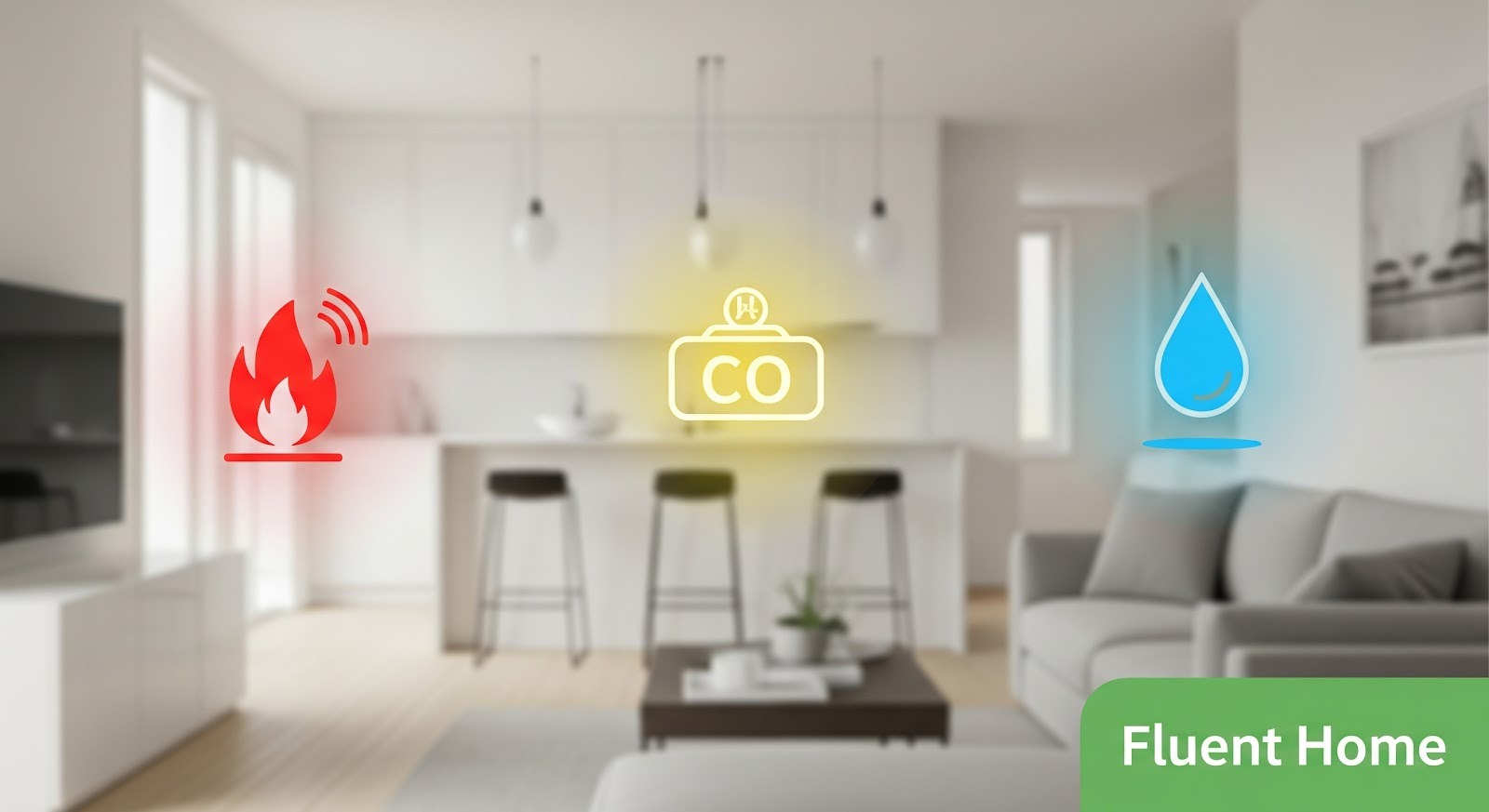
To appreciate the value of an upgrade, it’s vital to understand the dangers you are protecting against. These three threats, fire, carbon monoxide, and water, are particularly insidious because they can strike without warning and cause irreversible harm to your property and loved ones.
Residential fires are devastatingly fast. A small flame can become a life-threatening blaze in under 30 seconds. The toxic smoke produced is often more dangerous than the fire itself, quickly overwhelming occupants. Effective protection hinges on the earliest possible detection and the fastest possible emergency response.
Carbon monoxide (CO) is often called “the silent killer” for good reason. It is an odorless, colorless gas produced by the incomplete combustion of fuels such as gas, oil, and wood. It can leak from faulty furnaces, water heaters, or even a blocked chimney. Without a detector, its presence is unknowable until physical symptoms like dizziness and nausea appear, by which point it may be too late.
Water damage, while typically less life-threatening, is one of the most common and costly homeowner insurance claims. A slow leak from an appliance or a sudden pipe burst can ruin floors, warp structural supports, and lead to toxic mold growth. The key to mitigation is stopping the water flow immediately, which is impossible if no one is home to notice the leak. These threats demand a safety solution that is always on guard, whether you are home or away.
Traditional Safety Devices: Their Strengths, Limitations, and Gaps in Protection
Conventional smoke, CO, and flood detectors have been mainstays in home safety for a good reason: they are effective at their most basic function. A traditional smoke alarm will sound when it detects smoke particles, a CO alarm will trigger when it senses dangerous gas levels, and a basic water sensor will beep when its contacts get wet. They provide an essential first layer of alert.
However, their effectiveness ends there. Their limitations create significant protection gaps in today’s connected world.
- Lack of Remote Notification: If you are not home, you will not hear the alarm. A fire could smolder for hours, or a basement could fill with water, and you would have no idea until you returned to a disaster.
- Reliance on Occupant Action: These devices require a person to hear the alarm and take action, calling 911, evacuating the house, or shutting off the water main. In a panic, or if incapacitated by smoke or CO, this critical step might be delayed or missed entirely.
- No Professional Oversight: Traditional alarms are not connected to emergency services. The responsibility for contacting the fire department or paramedics falls solely on the home’s occupants.
- Isolated Operation: Each device works independently. A smoke alarm in the basement won’t trigger the one upstairs, and it can’t integrate with a broader home security system to provide a coordinated response. These gaps highlight the need for a more intelligent and connected approach to protect your home and family.
How Smart Smoke, CO, and Flood Detectors Revolutionize Home Security
Smart safety devices represent a fundamental shift from passive alerts to active, intelligent protection. By leveraging modern connectivity and advanced sensor technology, they close the gaps left by traditional alarms. These devices are part of the Internet of Things (IoT), connecting to your home’s network to provide real-time information and control directly to you and, crucially, to a professional monitoring center.
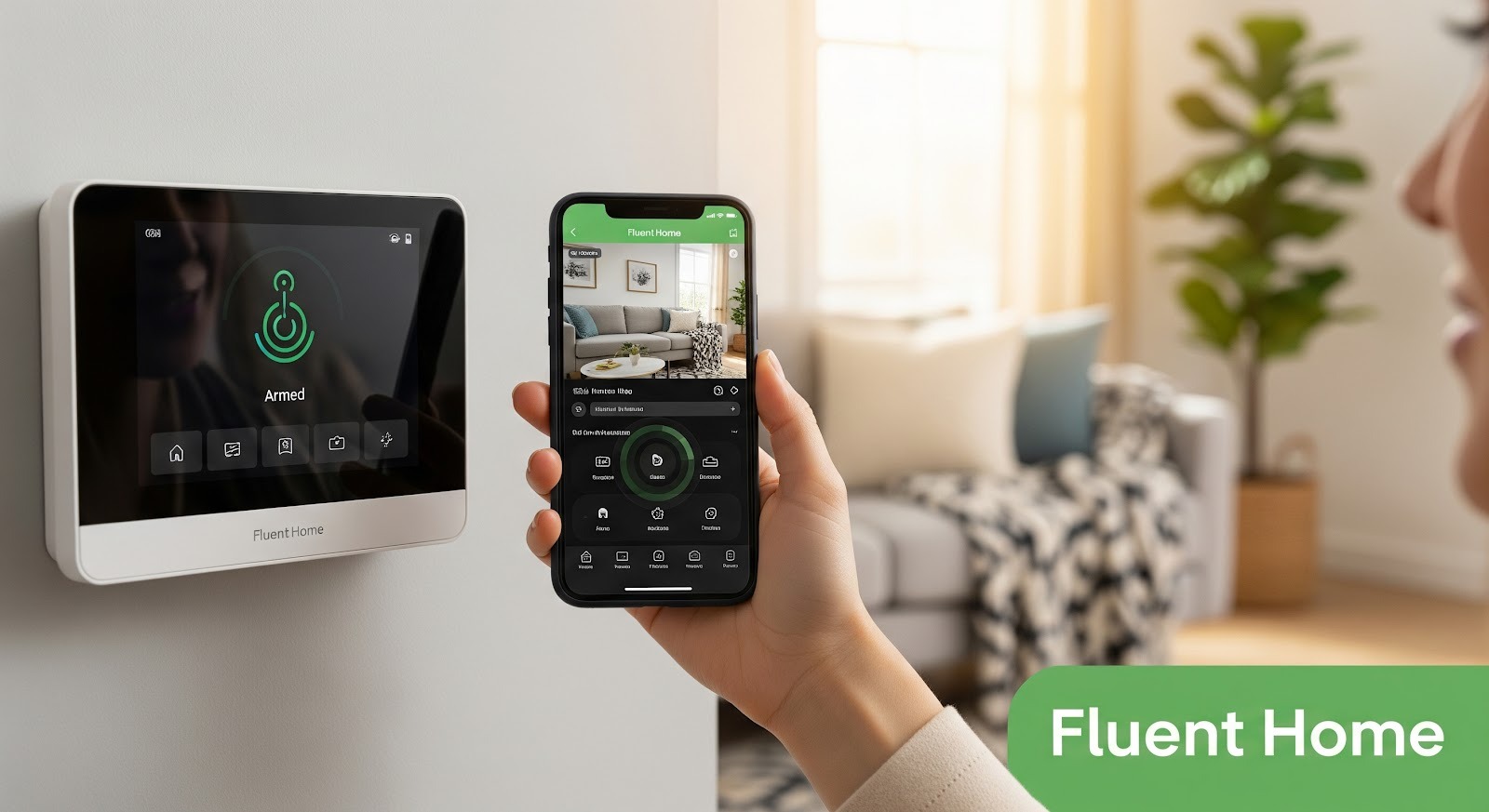
A smart smoke detector doesn’t just sound an alarm; it sends an instant notification to your smartphone via the Fluent Smart Home App, telling you exactly which detector was triggered. The same goes for smart carbon monoxide monitoring and flood detectors. This immediate, detailed information empowers you to act, even when you’re miles away. But their true power is unlocked when integrated into a complete smart security system.
Key Features and Technological Advantages
The superiority of smart detectors lies in their advanced technology. Many smart smoke detectors use both ionization and photoelectric sensors to detect fast-flaming and smoldering fires, reducing false alarms. Smart CO detectors use highly stable electrochemical sensors for precise gas level measurement. These devices connect via Wi-Fi with cellular backup, ensuring they remain operational even if your power or internet goes down. This reliable connectivity is the backbone of a modern smart life-safety system, ensuring that alerts are always sent and received.
Unlocking Superior Protection: Benefits of Upgrading to Smart, Monitored Systems
Upgrading to smart, professionally monitored safety devices offers a level of protection that standalone alarms simply cannot match. The benefits extend far beyond a simple notification, providing a comprehensive safety net for your home.
The most significant advantage is the integration with 24/7 professional monitoring services. When a smart smoke or CO detector is triggered, it doesn’t just alert you; it sends a signal to a central station staffed by trained professionals. This team will immediately attempt to contact you to verify the emergency. If they can’t reach you or if you confirm the alarm, they dispatch the fire department or paramedics to your home without delay. This automated response is crucial for effective fire monitoring and can save precious minutes when every second counts.
Furthermore, these devices integrate seamlessly with your smart home ecosystem. For instance, if a smoke alarm is triggered, the system can be programmed to automatically unlock doors for emergency responders, turn on lights to illuminate escape routes, and shut down your HVAC system to prevent smoke from circulating. This coordinated response, all managed through the Fluent Control Panel, is a game-changer in mitigating damage and ensuring family safety.
Real-World Impact: Preventing Major Damage and Loss
Consider a real-world scenario: a washing machine hose bursts in your laundry room while you’re at work. A traditional home would suffer hours of water damage, leading to thousands of dollars in repairs. With a smart flood detector, you receive an alert within seconds. If professionally monitored, the service can dispatch an emergency plumber or contact your emergency contacts to shut off the water, minimizing damage.
Similarly, imagine a furnace malfunction in the middle of the night that begins leaking carbon monoxide. A smart detector not only sounds a local alarm to wake your family but also alerts the monitoring center, which dispatches emergency medical services immediately, protecting your family even if they become disoriented from the gas. These are not just conveniences; they are life- and property-saving interventions made possible by smart safety technology.
Cost vs. Value: Evaluating the Investment in Smart Safety Upgrades
One of the primary considerations for any homeowner is cost. It’s true that smart detectors and professional monitoring services carry a higher initial investment than buying a few battery-operated alarms from the hardware store. However, it’s essential to view this as an investment in protection and peace of mind, not just an expense.
When you weigh the upfront cost against the potential for avoided losses, the value becomes crystal clear. The average cost of a professional water damage restoration project can easily run into the thousands or tens of thousands of dollars. The financial and emotional cost of a home fire is immeasurable. A smart, monitored system that prevents even one of these incidents pays for itself many times over.
Additionally, many insurance companies recognize the risk-reducing benefits of these systems. Homeowners with professionally monitored fire, CO, and flood detection often qualify for significant premium discounts. Over time, these savings can help offset the cost of the monitoring service, making this superior level of protection surprisingly affordable.
Is an Upgrade Right for Your Home? Making an Informed Decision
So, are smart smoke, CO, and flood detectors worth the upgrade? For the vast majority of homeowners, the answer is a resounding yes. If you value peace of mind, want to protect your property from catastrophic damage, and seek the highest level of safety for your family, then a smart, monitored system is an essential investment.
To determine if an upgrade is right for you, consider your current situation. Do you have an older home with aging plumbing or wiring? Do you travel frequently, leaving your home empty for extended periods? Do you have young children or elderly family members living with you? These factors increase your risk and amplify the benefits of a smart safety solution.
The ultimate goal is to create a secure environment where you feel safe, whether you are relaxing on the couch or halfway around the world. Upgrading to a comprehensive smart life safety solution from Fluent Home provides just that, an active, intelligent, and professionally monitored shield that protects what matters most.
FAQs
Q: How do smart smoke and CO detectors differ from basic alarms?
A: Smart smoke and carbon monoxide detectors offer advanced features beyond basic alarms, including mobile alerts, remote monitoring, and integration with a central monitoring station for faster emergency response, even when you’re away from home.
Q: Can smart flood detectors really prevent significant water damage?
A: Yes, smart flood detectors can significantly reduce water damage by providing instant alerts to your phone and a monitoring center at the first sign of a leak, allowing for rapid intervention before minor issues escalate into major property damage.
Q: Is professional monitoring necessary for smart safety devices?
A: While smart safety devices provide self-monitoring capabilities, professional monitoring ensures that emergency services are dispatched immediately, even if you are unreachable or unable to respond to alerts, providing a crucial layer of protection.
Q: Will upgrading to smart life safety devices increase my home insurance premiums?
A: Many insurance providers offer discounts for homes equipped with professionally monitored smart security and life safety systems, as these technologies can reduce the risk of fire, CO poisoning, and water damage, potentially lowering your premiums.
Q: What kind of maintenance do smart smoke, CO, and flood detectors require?
A: Smart detectors typically require less frequent maintenance than traditional devices, often including battery checks (with app notifications for low battery), regular testing facilitated by the system, and ensuring Wi-Fi or cellular connectivity remains strong.