A carbon monoxide alarm is not just another device on the ceiling. It is the warning system that can give your family time to get outside when a fuel-burning appliance, vehicle, fireplace, or vent creates a dangerous situation. This guide to carbon monoxide safety explains where the risk comes from, how to respond without hesitation, and how a professionally installed safety system can help keep protection simple.
What makes carbon monoxide so dangerous?
Carbon monoxide, often called CO, is a colorless, odorless gas created when fuels such as natural gas, propane, oil, wood, charcoal, or gasoline do not burn completely. Because you cannot see or smell it, carbon monoxide can build up indoors before anyone realizes there is a problem.
Common sources include furnaces, water heaters, fireplaces, gas ranges, portable generators, fuel-burning space heaters, clothes dryers, and attached garages. The appliance itself may not be the only issue. A blocked flue, cracked heat exchanger, loose vent connection, or inadequate airflow can allow combustion gases to enter living areas.
Exposure can cause headache, dizziness, nausea, weakness, confusion, chest pain, or flu-like symptoms without a fever. Those symptoms can be easy to dismiss, especially in winter when people expect to feel run-down. Infants, older adults, pregnant people, and people with heart or breathing conditions may be affected more quickly, but carbon monoxide is dangerous for everyone.
The safest approach is to treat prevention and detection as a pair. Annual appliance service helps reduce risk. Properly placed CO alarms provide a critical layer of protection if equipment fails or conditions change.
Where carbon monoxide detectors should go
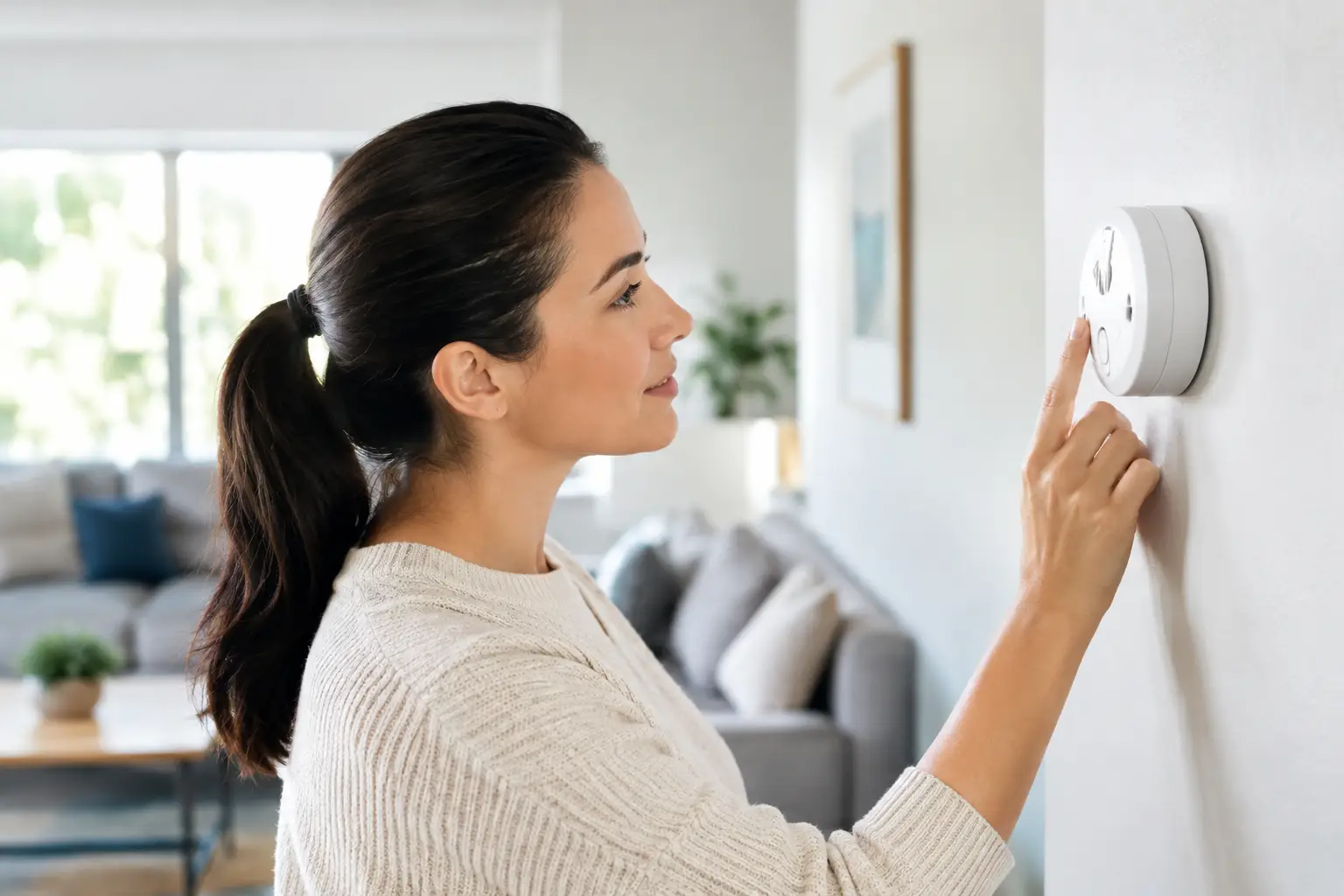
Your detector placement should follow the device manufacturer’s instructions and local requirements. A reliable baseline for most homes is to install a CO alarm on every level, including the basement, and outside each separate sleeping area. In larger homes, additional alarms may be needed so an alarm can be heard from bedrooms behind closed doors or from distant parts of the house.
Place detectors where occupants can hear them clearly, but do not install them immediately beside a fuel-burning appliance unless the manufacturer specifically directs it. Heat, steam, humidity, dust, and cooking fumes can affect certain devices or create nuisance alerts. Garages, bathrooms, unfinished utility areas, and directly over sinks or stoves are usually poor locations. The right placement can depend on ceiling height, room layout, and the type of alarm, which is one reason professional installation is valuable.
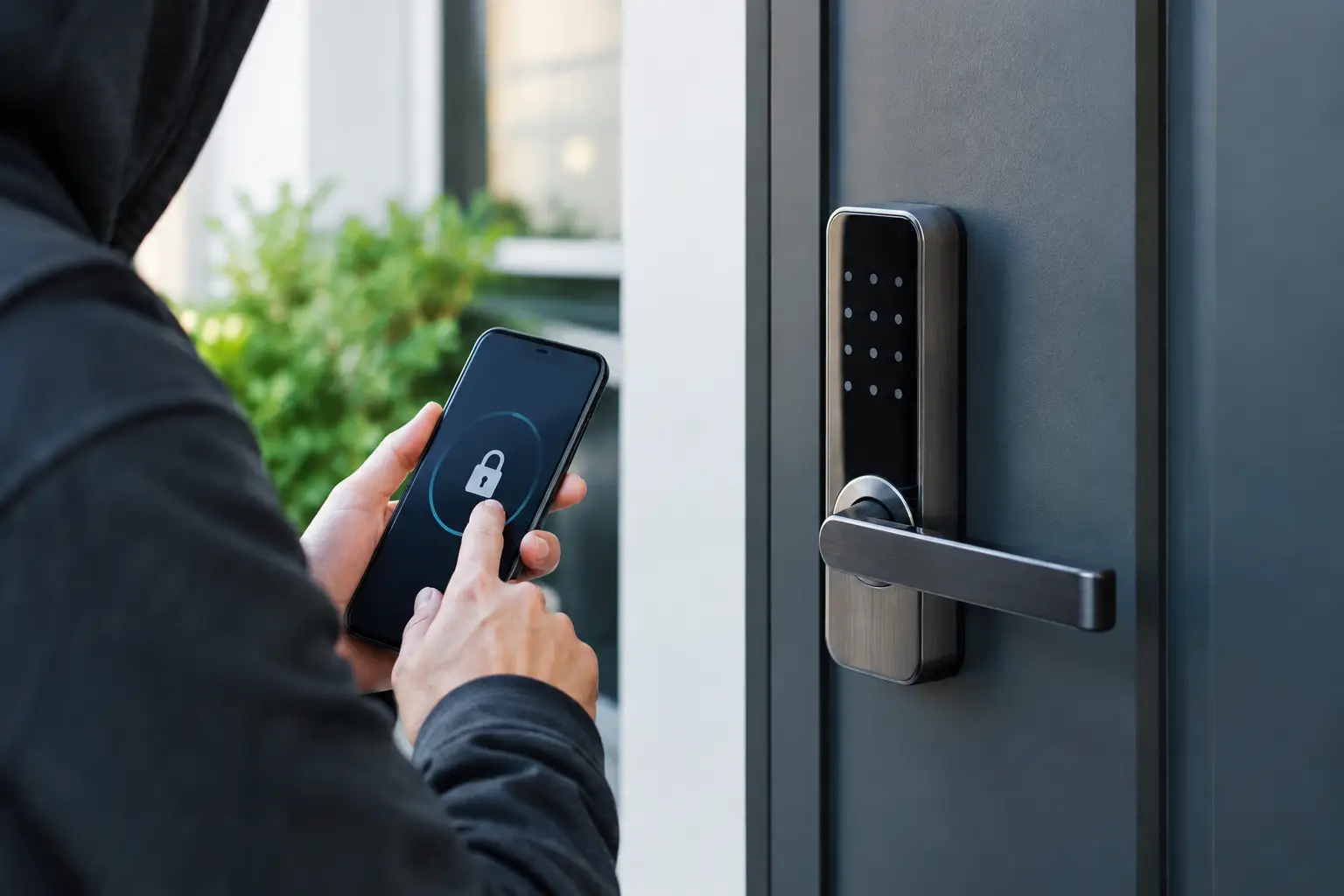
For a smart home system, connected smoke and carbon monoxide detectors add another advantage: alerts can be sent through the mobile app when you are away. That visibility is useful if a pet sitter, teenager, tenant, or employee is on the property. It does not replace an audible alarm or emergency response, but it helps you act quickly when you are not standing nearby.
Keep generators and vehicles outside
Some of the most serious CO incidents come from temporary decisions during storms or cold weather. Never run a generator, charcoal grill, camp stove, or gasoline-powered equipment in a home, garage, basement, shed, or enclosed porch. A generator belongs outdoors, well away from doors, windows, and vents.
Likewise, never leave a vehicle running in an attached garage, even with the garage door open. Exhaust can move into the home and build up faster than expected. Remote-start convenience should never mean warming up a vehicle inside the garage.
What to do when a carbon monoxide alarm sounds
A CO alarm is not a troubleshooting prompt. Treat it as a potential emergency. Do not assume it is a low battery warning, and do not silence the alarm just because no one feels sick.
If the alarm sounds, take these steps:
- Move everyone outside into fresh air immediately, including pets.
- Call 911 or your local fire department from outside if anyone has symptoms, if the alarm continues, or if you suspect an active CO source.
- Do not reenter the building until emergency responders or a qualified professional say it is safe.
- Arrange for the suspected appliance, vent, or heating system to be inspected and repaired before using it again.
Opening windows on the way out may seem helpful, but it should never delay evacuation. Fresh air can reduce the concentration, yet it does not identify the source or confirm that the home is safe to reenter. Do not try to locate the leak yourself, and do not reset the detector until you are in a safe place and have followed emergency guidance.
If someone is unconscious, severely confused, having chest pain, or having trouble breathing, call 911 immediately. Tell responders that carbon monoxide exposure may be involved. Fast medical assessment matters because symptoms can worsen after exposure.
Test alarms, replace batteries, and watch the expiration date
Carbon monoxide alarms need routine attention to do their job. Test each alarm using its test button once a month, following the manufacturer’s instructions. This confirms that the alert signal and basic electronics are functioning, but it does not prove that the sensor can still detect CO. The unit’s age matters, too.
Most CO detectors have a limited service life, commonly five to 10 years depending on the model. Check the label or manual for the replacement date. If an alarm chirps, displays an end-of-life message, or reaches its listed replacement date, replace the unit promptly. Do not assume a new battery will solve an end-of-life warning.
Battery needs vary by device. Some alarms use replaceable batteries, while others have sealed long-life batteries or receive power from the home’s electrical system with battery backup. Hardwired alarms can still fail during an outage if the backup battery is depleted. A seasonal routine, such as checking alarms when daylight saving time changes, can be useful, but follow the device’s actual battery and replacement schedule rather than relying on a calendar habit alone.
Keep alarms free of paint, dust buildup, and obstructions. If you are renovating, protect the device from construction debris according to the manufacturer’s guidance. Never paint over an alarm or disable it because it occasionally makes noise. A recurring alert is a reason to determine the cause, not remove the protection.
Reduce CO risk before heating season
Before colder weather arrives, schedule qualified service for your furnace, boiler, fireplace, chimney, and other fuel-burning equipment. A professional can check venting, connections, combustion performance, and signs of wear that are not obvious during normal use. If you use a fireplace or wood stove, make sure flues and chimneys are maintained and that dampers operate correctly.
Keep vents, exhaust outlets, and intake pipes clear of leaves, snow, ice, nests, and stored items. After major storms, inspect outdoor vents from a safe distance. Snow accumulation around a furnace or water-heater vent can create a serious problem, particularly during extended winter weather.
Be cautious with portable heaters. Use only models designed for indoor use, follow clearance instructions, and avoid using any fuel-burning heater while sleeping unless it is specifically rated and installed for that purpose. Electric space heaters do not create carbon monoxide, but they still require safe use around fabrics, furniture, and electrical outlets.
Safety protection that works together
Carbon monoxide safety is strongest when it is part of a connected protection plan rather than a stand-alone chore. A professionally designed system can combine smoke and CO detection with 24/7 professional monitoring, mobile alerts, and the security devices you already use every day. Fluent Home can help homeowners build that coverage around the layout, risks, and routines of their property, without leaving installation details to guesswork.
For small business owners, the same thinking applies. Restaurants, workshops, offices with mechanical rooms, and properties with attached garages or fuel-burning equipment should have appropriate detection, a clear evacuation plan, and employees who know that an alarm means leave first and investigate later. Monitoring and remote notifications can support a faster response when a site is closed or unoccupied.
A quiet alarm is easy to forget about until the day it is needed. Take a few minutes this week to check where your detectors are installed, confirm their replacement dates, and make sure everyone in your household knows the exit plan. That small check can protect the people who count on you most.